


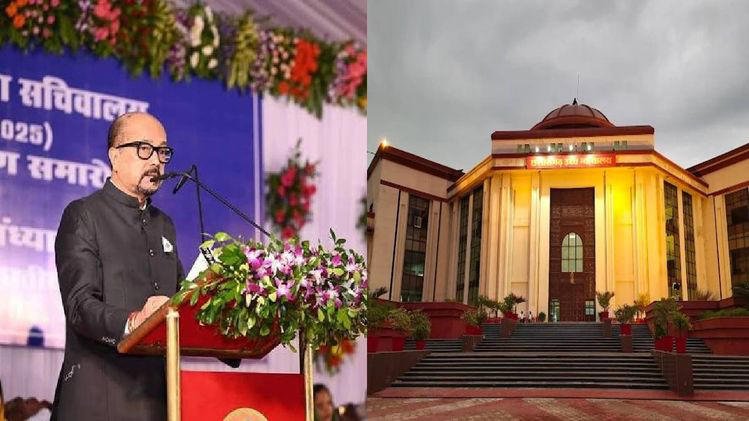
The Chhattisgarh High Court has disposed of a criminal case involving two youths from Assam after they tendered an unconditional apology to Chhattisgarh Governor Ramen Deka over remarks made on social media.
The case had drawn attention after legal proceedings were initiated against the two youths in connection with online comments directed at the Governor. During the hearing, the youths expressed regret over their remarks and submitted an apology before the court.
Taking note of the apology and the developments in the matter, the Chhattisgarh High Court disposed of the case, bringing the legal proceedings against the two Assam residents to an end.
Chhattisgarh High Court Takes Note of Apology
The matter came before the Chhattisgarh High Court following legal action connected to social media remarks made by the two youths.
During the proceedings, both individuals tendered an unconditional apology to Governor Ramen Deka. They expressed regret over the comments and informed the court that they did not intend to cause offence.
The apology became a key factor in the resolution of the matter. After considering the submissions made before it, the court disposed of the case.
The development means that the legal dispute, which had arisen from remarks made on a social media platform, was resolved following the expression of regret by the two youths.
Case Linked to Social Media Remarks
The case originated from comments allegedly posted by the two Assam youths on social media concerning Governor Ramen Deka.
The remarks had resulted in legal proceedings and brought the matter before the Chhattisgarh High Court.
Social media-related disputes have increasingly resulted in legal action when online content is alleged to be defamatory, offensive or in violation of applicable laws.
In this case, the two individuals chose to apologise for their remarks during the court proceedings.
Their decision to tender an unconditional apology helped bring the matter to a close without further continuation of the case.
Governor Ramen Deka Accepts Apology
During the hearing, the apology submitted by the two youths was considered in the context of resolving the dispute.
Governor Ramen Deka accepted the unconditional apology, paving the way for the disposal of the case.
The court took note of the fact that the matter had been resolved following the apology and proceeded accordingly.
The development reflects how an expression of regret and a willingness to resolve a dispute can play an important role in bringing legal proceedings to an end in certain cases, depending on the facts and circumstances involved.
Two Assam Youths Express Regret
The two youths, both residents of Assam, expressed regret over the social media remarks that had led to the case.
Their apology was unconditional, indicating that they withdrew any intention to continue the dispute and sought to bring the matter to an amicable conclusion.
The court proceedings provided an opportunity for the individuals to formally communicate their regret and clarify their position.
With the apology being accepted, the dispute no longer required further adjudication, leading to the disposal of the case.
High Court Disposes of the Matter
Following the apology and its acceptance, the Chhattisgarh High Court disposed of the case against the two Assam youths.
The court’s decision brought the legal proceedings to a conclusion and relieved the individuals of the need to continue contesting the matter before the court.
The disposal of the case came after both sides indicated that the dispute had been resolved.
The development highlights the role that settlement, apology and mutual resolution can sometimes play in judicial proceedings, particularly when the parties are willing to bring a dispute to an end.
Social Media and Legal Accountability
The case also highlights the growing importance of responsible communication on social media platforms.
Online remarks can have legal consequences when they are alleged to violate laws relating to defamation, public order or other applicable provisions.
At the same time, the resolution of the case demonstrates that disputes arising from online communication can sometimes be settled through dialogue and an acknowledgement of wrongdoing.
The two Assam youths’ decision to apologise to Governor Ramen Deka ultimately helped resolve the matter and avoid prolonged litigation.
Matter Comes to an End
With the Chhattisgarh High Court disposing of the case, the legal proceedings involving the two Assam youths have formally come to an end.
The case was resolved after the youths tendered an unconditional apology over their social media remarks and Governor Ramen Deka accepted it.
The development brings closure to a matter that had resulted in legal action across state lines and eventually reached the Chhattisgarh High Court.
The court’s decision underscores the significance of the apology in resolving the dispute, with both sides choosing to bring the matter to a close.
For the two youths, the disposal of the case marks the end of the legal proceedings, while the matter also serves as a reminder of the potential consequences of social media posts and the importance of exercising responsibility while communicating online.