


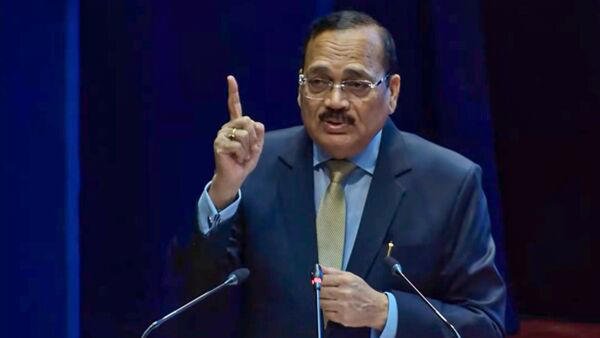
Chief Justice of India (CJI) Surya Kant on Monday strongly questioned the use of force against students protesting the alleged NEET paper leak, observing that “mere agitation cannot justify lathi-charge.” The remarks came during a hearing in the Supreme Court on petitions alleging police brutality against demonstrators who had taken to the streets demanding accountability over the controversy surrounding the national medical entrance examination.
The court’s observations underscored the constitutional right to peaceful protest while emphasizing that law enforcement agencies must exercise restraint in dealing with demonstrators. The hearing focused on allegations that students and activists were subjected to excessive force despite engaging in protests over an issue of significant public concern.
Bench seeks accountability over police conduct
During the proceedings, the bench, headed by CJI Surya Kant, questioned whether the police had followed established legal procedures before resorting to force. The court observed that the mere fact that people had gathered to protest did not automatically justify the use of lathi-charge.
The Chief Justice stressed that citizens have a democratic right to express their grievances peacefully and that authorities must distinguish between peaceful assembly and situations involving genuine threats to public order.
The bench indicated that while maintaining law and order remains an essential responsibility of the police, any action taken against protesters must be proportionate, justified, and in accordance with the law.
Petitions challenge alleged police brutality
The petitions before the Supreme Court alleged that several students and protesters were injured after police used force to disperse demonstrations held in connection with the NEET paper-leak controversy. The petitioners argued that many of those participating in the protests were exercising their constitutional rights and posed no immediate threat that warranted such action.
Senior advocates appearing for the petitioners submitted that the alleged use of excessive force violated fundamental rights guaranteed under the Constitution. They urged the court to examine the circumstances surrounding the incidents and issue appropriate directions to prevent similar occurrences in the future.
The petitioners also sought accountability for officers involved in the alleged incidents and requested guidelines governing police action during peaceful protests.
Court reiterates importance of peaceful protest
During the hearing, the Supreme Court reiterated that the right to peaceful protest forms an integral part of a democratic society. The bench observed that public demonstrations often serve as a legitimate means for citizens to voice concerns and seek accountability from public authorities.
CJI Surya Kant remarked that peaceful agitation, by itself, should not become a reason for law enforcement agencies to resort to physical force. The court emphasized that authorities must carefully assess each situation before deciding on crowd-control measures.
The observations reinforced earlier judicial principles recognizing the balance between citizens’ fundamental rights and the state’s responsibility to maintain public order.
Government and police asked to respond
The Supreme Court sought responses from the concerned authorities regarding the allegations made in the petitions. The bench asked for details of the circumstances that led to the police action and the measures adopted before the alleged use of force.
The court also sought clarification on whether standard operating procedures governing crowd management had been followed. It indicated that the responses would assist in determining whether the actions of the police were lawful and proportionate.
Government representatives assured the court that they would place the relevant records and factual details before the bench during the next hearing.
Background of the NEET paper-leak controversy
The protests arose from allegations surrounding irregularities in the National Eligibility-cum-Entrance Test (NEET), one of India’s largest competitive examinations for admission to undergraduate medical courses.
The controversy sparked widespread demonstrations by students, parents, and various organizations demanding a transparent investigation and strict action against those responsible for the alleged paper leak. Protesters argued that any compromise in the examination process undermines merit and adversely affects lakhs of aspiring medical students.
The issue has generated nationwide debate over examination security, accountability, and the integrity of recruitment and admission processes.
Balancing public order with constitutional freedoms
The hearing also highlighted the broader legal principle that maintaining public order cannot come at the cost of constitutional freedoms. The Supreme Court observed that while authorities possess powers to regulate assemblies and prevent violence, such powers must be exercised with restraint and only when circumstances genuinely require intervention.
Legal experts note that courts have consistently maintained that restrictions on peaceful protests should satisfy the tests of legality, necessity, and proportionality. Excessive use of force without adequate justification can invite judicial scrutiny and constitutional review.
The bench’s remarks serve as a reminder that democratic governance requires both effective policing and respect for citizens’ fundamental rights.
Human rights concerns remain central
The petitions have also drawn attention to the human rights implications of crowd-control measures adopted during public protests. Advocates argued that students participating in demonstrations should not face disproportionate police action merely for expressing their concerns over issues affecting their future.
The Supreme Court’s observations indicate that allegations of police brutality deserve careful judicial examination, particularly when they involve students and peaceful protesters.
Civil society groups have welcomed the court’s emphasis on protecting democratic freedoms while ensuring accountability in law enforcement.
Matter to be heard further
The Supreme Court is expected to continue hearing the matter after receiving responses from the concerned authorities. The bench will examine the records, submissions, and legal issues before deciding whether further directions or guidelines are required.
The outcome of the case could have broader implications for policing standards during public demonstrations and reinforce the legal principles governing the balance between public order and the constitutional right to peaceful protest.
CJI Surya Kant’s observation that “mere agitation cannot justify lathi-charge” has emerged as a significant judicial statement, reaffirming that democratic dissent must be met with lawful and proportionate policing rather than unnecessary use of force.