


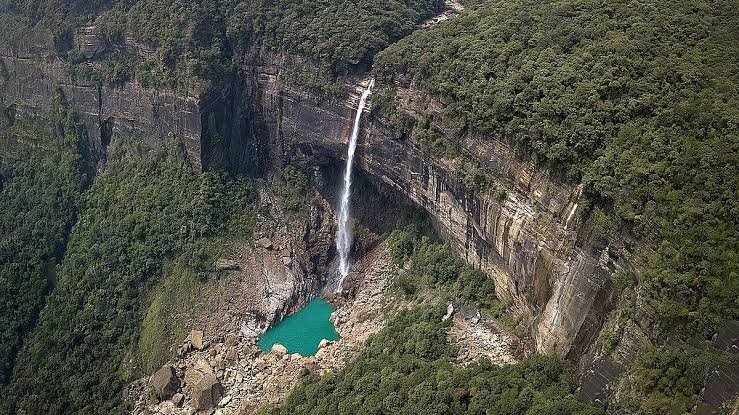
The Meghalaya El Niño rainfall deficit has drawn scientific attention after climatologists linked the state’s severe monsoon shortfall to delayed or prolonged El Niño conditions. According to experts, the climate pattern has significantly influenced rainfall distribution, contributing to an estimated 80% rainfall deficit in affected areas.
Durand Cup 135th Edition: Imphal, Shillong and Guwahati Among Host Cities
Manipur Extends Rural Job Guarantee to 125 Days Under New Scheme
Climatologists Identify El Niño Influence
The Meghalaya El Niño rainfall deficit has been associated with delayed or prolonged El Niño conditions, according to climatologists. Consequently, experts stated that the climate phenomenon disrupted normal monsoon patterns and reduced rainfall across parts of the state.
Moreover, researchers explained that El Niño can alter atmospheric circulation, affecting the timing and intensity of seasonal rainfall over the Indian subcontinent.
The assessment provides a scientific explanation for the unusually dry conditions.
Impact on Monsoon Rainfall
The Meghalaya El Niño rainfall deficit has raised concerns over water availability and agricultural activities. Furthermore, experts noted that a prolonged El Niño phase can weaken monsoon performance, increasing the risk of drought-like conditions in vulnerable regions.
Meanwhile, authorities continue to monitor weather trends and evaluate their impact on water resources and farming.
The rainfall deficit remains under close observation.
Government and Experts Monitor Conditions
The Meghalaya El Niño rainfall deficit has prompted continued coordination between government agencies and weather experts. In addition, climatologists are tracking seasonal developments to determine whether rainfall patterns improve in the coming weeks.
As a result, officials are using scientific assessments to support planning and drought preparedness measures.
Conclusion
The Meghalaya El Niño rainfall deficit has been linked by climatologists to delayed or prolonged El Niño conditions, which disrupted normal monsoon rainfall and contributed to the state’s severe precipitation shortfall. Authorities and weather experts continue to monitor conditions while assessing the broader impact on water resources and agriculture.
FAQs
1. What caused the rainfall deficit, according to climatologists?
They linked it to delayed or prolonged El Niño conditions that affected normal monsoon patterns.
2. What is El Niño?
El Niño is a recurring climate phenomenon that can influence global weather patterns, including the Indian monsoon.
3. How severe is the reported rainfall deficit?
Officials reported an estimated rainfall shortfall of around 80% in affected areas.
4. Why is El Niño significant?
It can weaken monsoon rainfall and contribute to drought-like conditions in some regions.
5. What are authorities doing?
They are monitoring weather conditions and coordinating preparedness measures based on scientific assessments.
6. Which state is affected?
The rainfall deficit concerns Meghalaya.