


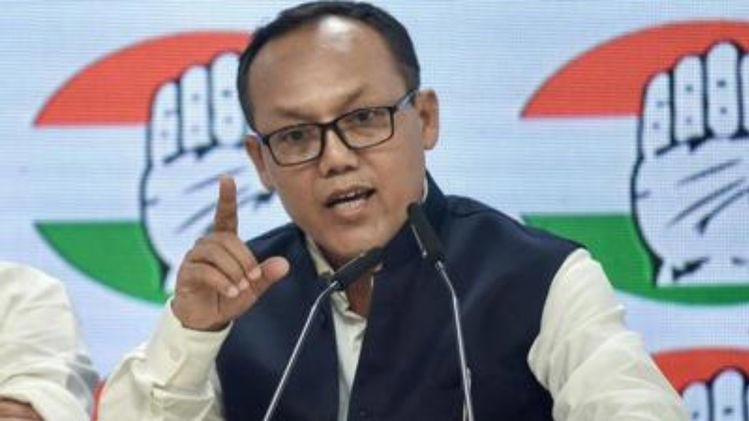
The Congress has called for a clear and time-bound roadmap for restoring peace and normalcy in Manipur, urging authorities to provide a definitive timeline for resolving the challenges that have affected the state over an extended period. The demand comes amid continuing concerns regarding law and order, rehabilitation of displaced families, economic disruptions, and the overall pace of recovery in the conflict-affected regions.
Party leaders have argued that while various measures have been announced to improve the situation, citizens deserve clarity regarding the government’s strategy and expected timeframe for achieving lasting peace. The Congress has maintained that a transparent plan outlining key milestones would help restore public confidence and demonstrate accountability in addressing the state’s ongoing challenges.
The issue has once again brought Manipur to the center of national political discussions, with parties expressing differing views on the effectiveness of existing measures and the steps required to ensure long-term stability.
Demand for a Clear Roadmap
Congress leaders have emphasized the importance of establishing a structured roadmap for peace restoration in Manipur. According to the party, citizens affected by the unrest need assurance that efforts to restore normalcy are progressing according to a well-defined plan.
The party has argued that a timeline would provide clarity regarding key objectives such as the restoration of public services, rehabilitation of displaced individuals, strengthening of security arrangements, and promotion of dialogue among affected communities.
Leaders stated that transparency in the peace restoration process can help reduce uncertainty and build trust among residents who have experienced prolonged disruption. They stressed that people deserve regular updates on progress and future steps being taken by authorities.
Concerns Over Continuing Disruptions
The demand for a timeline comes against the backdrop of continuing challenges in parts of Manipur. Although authorities have implemented various measures to improve the security situation, concerns remain regarding sporadic incidents, movement restrictions in certain areas, and the broader process of rebuilding confidence among communities.
Congress leaders pointed out that many families continue to face difficulties arising from displacement, economic losses, and disruptions to education and livelihoods. They argued that peace restoration must be measured not only through security indicators but also through improvements in the daily lives of affected citizens.
According to the party, long-term stability requires comprehensive interventions that address both immediate concerns and underlying issues contributing to tensions.
Rehabilitation of Displaced Families
One of the key issues highlighted by the Congress is the rehabilitation of families displaced by the unrest. Thousands of individuals have faced challenges related to housing, education, employment, and access to essential services.
The party has called for accelerated efforts to support displaced persons and ensure their safe return or resettlement wherever feasible. Leaders stressed that rehabilitation should remain a central component of any peace-building strategy.
Officials and humanitarian organizations have repeatedly noted that rehabilitation requires coordinated action involving multiple government departments and agencies. Effective implementation of support programs is considered essential for helping affected families rebuild their lives.
Importance of Community Dialogue
Congress leaders have also emphasized the need for sustained dialogue among communities as part of the peace restoration process. They argued that lasting stability cannot be achieved through security measures alone and requires efforts to rebuild trust and strengthen social harmony.
Dialogue initiatives, community engagement programs, and confidence-building measures were highlighted as important tools for reducing tensions and promoting understanding. According to the party, inclusive discussions involving all stakeholders can help create conditions conducive to reconciliation.
Political observers note that community engagement is often a critical element of peace-building efforts in regions affected by conflict or social unrest.
Economic Impact of the Crisis
The Congress has pointed to the economic consequences of prolonged instability as another reason why a clear roadmap is necessary. Businesses, traders, transport operators, and workers have faced significant challenges due to disruptions in normal economic activity.
The party argued that restoring investor confidence and economic stability requires visible progress toward peace and security. Many sectors of the economy depend on predictable conditions and uninterrupted connectivity, making stability a crucial factor for recovery.
Leaders stated that economic revitalization should be integrated into broader peace restoration efforts, ensuring that communities have opportunities for growth and development as normalcy returns.
Focus on Governance and Accountability
A central theme of the Congress demand has been the issue of governance and accountability. Party leaders contend that setting measurable goals and timelines can help ensure that peace restoration efforts remain focused and effective.
They argued that citizens have a right to know what actions are being taken, what progress has been achieved, and what challenges remain. Regular communication and transparency, according to the party, are essential for maintaining public confidence.
Political analysts note that demands for accountability often become more prominent during periods of prolonged crisis, as citizens seek reassurance regarding the effectiveness of government responses.
Government’s Ongoing Efforts
Authorities have consistently maintained that restoring peace and normalcy in Manipur remains a top priority. Various measures have been implemented, including enhanced security arrangements, humanitarian assistance, rehabilitation initiatives, and efforts to facilitate dialogue.
Government representatives have stated that progress has been made in several areas, although challenges remain. Officials continue to emphasize the importance of cooperation among communities, institutions, and stakeholders in achieving lasting peace.
While differing political perspectives exist regarding the pace and effectiveness of these efforts, there is broad agreement that restoring stability is essential for the state’s future development and prosperity.
Political Debate Intensifies
The Congress demand has added a new dimension to the political debate surrounding Manipur. Opposition parties have continued to question aspects of the government’s approach, while ruling party representatives have highlighted measures already undertaken to address the situation.
Political observers suggest that discussions regarding peace restoration are likely to remain prominent in public discourse. The issue carries significant social, economic, and humanitarian implications, making it a matter of considerable public interest.
The debate also reflects broader concerns regarding governance, conflict resolution, and the role of institutions in addressing complex challenges affecting communities.
Looking Ahead
The Congress’s call for a timeline for peace restoration in Manipur underscores the continuing importance of the issue in national and regional political discussions. By seeking a clear roadmap, the party has emphasized the need for transparency, accountability, and measurable progress in addressing the challenges facing the state.
As efforts to restore normalcy continue, attention is likely to remain focused on rehabilitation, community dialogue, economic recovery, and security improvements. The success of these initiatives will play a critical role in shaping public confidence and determining the pace of recovery.
For the people of Manipur, the ultimate objective remains the restoration of lasting peace, stability, and social harmony. Achieving that goal will require sustained commitment, cooperation among stakeholders, and effective implementation of measures designed to address both immediate concerns and long-term challenges.
While political parties may differ in their assessments and recommendations, the shared aspiration of a peaceful and prosperous Manipur continues to guide discussions about the state’s future. The demand for a timeline reflects a broader desire for clarity, progress, and reassurance as the state moves toward recovery and reconciliation.