


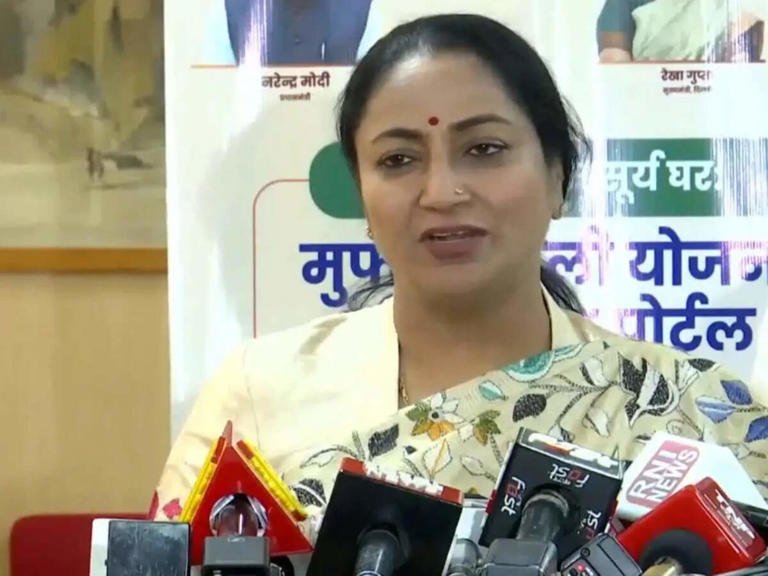
The Delhi government has launched a major rooftop solar initiative that will provide solar systems of up to 3 kW to 2.25 lakh households. Chief Minister Rekha Gupta launched a dedicated online portal on September 21 under the PM Surya Ghar: Muft Bijli Yojana. The government will cover the full installation cost for eligible households. Residents will receive the benefit on a first-come, first-served basis.
The initiative aims to expand clean energy use across the national capital. It also seeks to reduce the initial cost that often prevents households from installing rooftop solar systems.
Delhi Launches Dedicated Solar Portal
The new portal will act as a single-window platform for residents who want to apply for rooftop solar systems. Consumers can register through the portal and access information about subsidies, authorised vendors and other services.
The portal also allows users to check subsidy-related information and submit grievances. Officials will process applications on a first-come, first-served basis.
The Delhi government has set a target of covering 2.25 lakh homes through the initiative. The programme will focus on residential consumers who meet the eligibility conditions.
The move comes as Delhi seeks to increase the use of renewable energy in homes and reduce dependence on conventional electricity sources.
Government to Cover Installation Cost
Under the new arrangement, eligible households can receive rooftop solar systems of up to 3 kW without paying the installation cost upfront. The Delhi government will provide additional financial support alongside the central subsidy under PM Surya Ghar.
The Centre currently provides a subsidy of up to ₹78,000 for residential rooftop systems of up to 3 kW. Delhi will provide an additional subsidy of up to ₹78,000. Together, the two subsidies can provide assistance of up to ₹1.56 lakh for an eligible installation.
This combined support can significantly reduce the financial burden on households. The Delhi government has designed the scheme to make rooftop solar more accessible to ordinary consumers.
The state solar portal also confirms the central subsidy structure. It provides ₹30,000 per kW for the first 2 kW and ₹18,000 for the additional capacity up to 3 kW. The maximum central subsidy remains ₹78,000.
Households Using Up to 400 Units Eligible
The revised Delhi solar policy focuses on domestic consumers who use up to 400 units of electricity each month. Eligible households can receive systems of up to 3 kW under the programme.
The government has also encouraged smaller installations for homes with limited rooftop space. Officials have highlighted systems of up to 2 kW as an option for such households.
The eligibility structure links the solar system size with household electricity consumption. The Delhi Solar Portal recommends a 1-2 kW system for households using up to 150 units a month. It recommends 2-3 kW for consumers using between 150 and 300 units.
This approach allows households to choose a system that better matches their electricity requirements and available roof space.
Five Years of Free Maintenance
The revised policy also includes maintenance support. Vendors installing the solar systems will provide free maintenance for five years.
Maintenance remains an important concern for households considering rooftop solar. Regular inspection and upkeep can help systems maintain their performance over time.
By including maintenance in the scheme, the government aims to reduce the additional costs that households may face after installation.
The arrangement also places responsibility on authorised vendors to maintain the installed systems during the specified period.
Target of 500 MW Rooftop Solar Capacity
The Delhi government aims to add around 500 MW of rooftop solar capacity through the wider initiative. The government has set March 2027 as the target for installing solar systems on around 2.3 lakh rooftops.
The 2.25 lakh-home target announced with the portal forms part of this broader rooftop solar expansion.
Delhi currently has a much smaller base of rooftop solar installations. The government has been seeking ways to increase adoption by reducing upfront costs and simplifying the application process.
The new portal represents one of those efforts.
Solar Can Reduce Electricity Bills
Rooftop solar can help households generate part of their electricity requirements from sunlight. The amount of electricity produced depends on factors such as sunlight, panel quality, roof orientation and maintenance.
According to the Delhi Solar Portal, a 1 kWp solar plant can generate around four to five units of electricity on a clear sunny day. Actual generation can vary depending on weather and other conditions.
Households can use the generated electricity for their own consumption. Depending on the applicable arrangements, surplus electricity can also flow into the grid.
The Delhi Solar Policy provides incentives for residential rooftop solar systems. The existing policy lists a generation-based incentive of ₹3 per kWh for residential systems up to 3 kW.
Rooftop Space Remains Important
Not every household has the same amount of usable roof space. Buildings may have water tanks, parapets, antennas and other structures that reduce the area available for solar panels.
The Delhi Solar Portal estimates that a 1 kW system normally requires around 10 square metres, or roughly 100 square feet, of roof area. Elevated structures can increase the usable portion of a rooftop.
The government has therefore included options for households with smaller rooftops.
The new scheme can also support residents in group housing societies. Delhi’s solar framework includes models such as community solar and group net metering for consumers who face rooftop limitations.
Part of Delhi’s Green Energy Push
The rooftop solar initiative forms part of Delhi’s wider efforts to increase renewable energy generation. The Delhi Solar Energy Policy has set goals for expanding rooftop solar across residential, commercial and other sectors.
The government has also examined solar projects on public infrastructure. A recent draft of the Delhi Master Plan 2041 proposed exploring solar installations along a six-kilometre stretch of the Najafgarh drain. It also suggested greater use of renewable energy at public facilities such as metro stations, railway stations and airports.
These measures indicate a wider push to increase clean energy generation across the capital.
PM Surya Ghar Scheme
The Delhi initiative operates under the central government’s PM Surya Ghar: Muft Bijli Yojana. The national scheme aims to support rooftop solar installations for one crore households across India.
The central programme provides financial assistance to residential consumers. Delhi has added its own support to make installations more accessible to local households.
The combination of central and Delhi subsidies allows eligible households to access a larger financial benefit.
The Delhi government’s portal will help residents navigate the application process and access information about authorised vendors.
First-Come, First-Served Registration
The government will process registrations on a first-come, first-served basis. This makes early registration important for households that want to participate in the programme.
The Delhi Solar Portal currently displays the scheme’s application process and eligibility information. It also provides details about the available rooftop solar models and subsidy arrangements.
Residents can use the portal to register, check the status of their subsidy and access other services related to rooftop solar.
The government has also listed authorised vendors to support installation.
Focus on Affordable Clean Energy
The main focus of the initiative is to remove the upfront financial barrier for households. A rooftop solar system can require a significant initial investment. Government subsidies can reduce that burden.
Under the new arrangement, eligible households can receive systems of up to 3 kW without paying the installation cost upfront. The scheme also provides maintenance support for five years.
For Delhi, the programme could increase the number of residential solar installations while supporting the city’s renewable energy goals.
The success of the initiative will depend on effective implementation, timely installation and continued maintenance of the systems.
Conclusion
Delhi has launched a new rooftop solar initiative that will provide systems of up to 3 kW to 2.25 lakh homes. Chief Minister Rekha Gupta launched the dedicated portal under the PM Surya Ghar: Muft Bijli Yojana on September 21. The government will cover the installation cost for eligible households, with applications processed on a first-come, first-served basis.
The Centre provides a subsidy of up to ₹78,000 for systems of up to 3 kW. Delhi will add another subsidy of up to ₹78,000, taking the combined assistance to as much as ₹1.56 lakh.
The scheme also provides five years of free maintenance through installation vendors. The government aims to expand rooftop solar adoption and add around 500 MW of capacity.
With the new portal, Delhi residents can register for the scheme and access information about eligibility, subsidies and authorised vendors. The initiative marks another step in the capital’s efforts to expand renewable energy and make rooftop solar more accessible to households.