


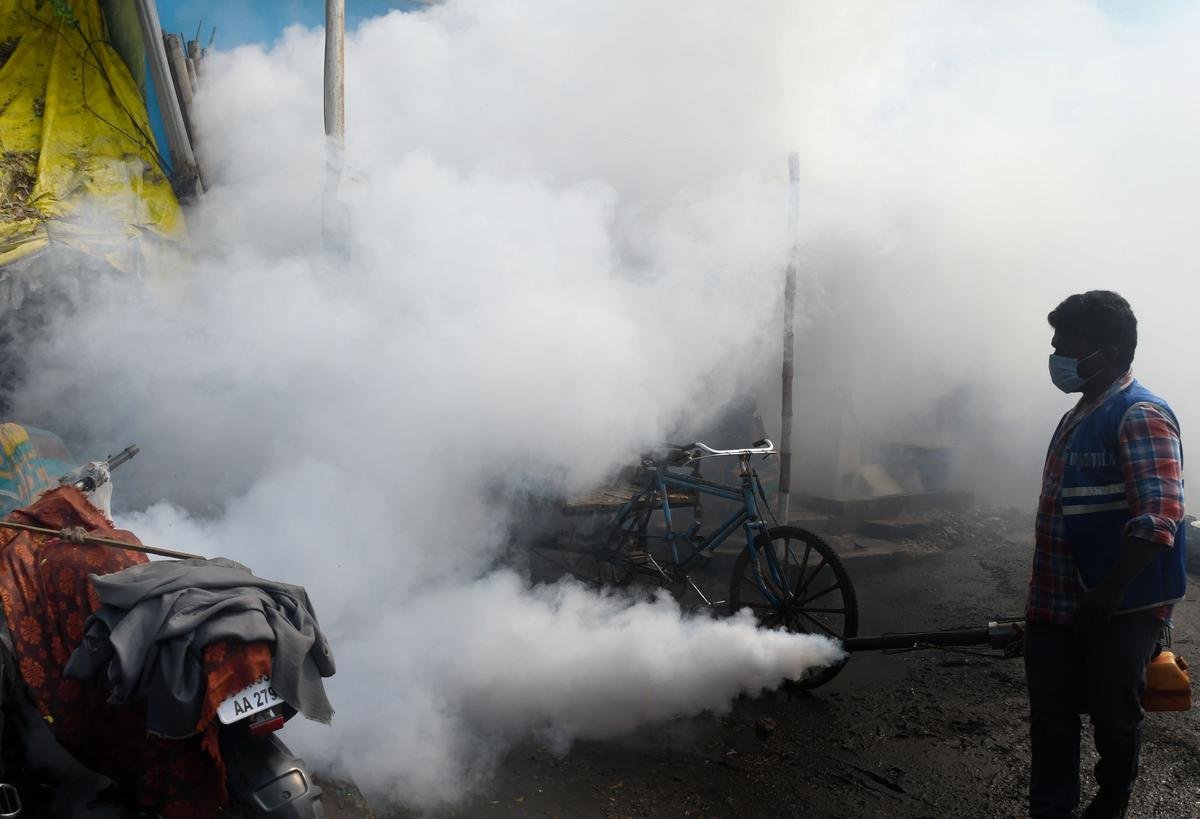
Health authorities have sounded an alert in Kanchanpur and parts of North Tripura following a sudden rise in dengue cases. The situation has prompted immediate vector-control measures and fogging drives to limit mosquito breeding. Officials are focusing on affected areas to reduce the risk of further transmission. Moreover, the alert highlights the importance of community participation in preventing dengue, particularly through the removal of stagnant water and improved sanitation around residential areas.
Nagaland Plans High-Level Panel Against Extortion
Health Authorities Issue Dengue Alert
The sudden increase in reported dengue cases has raised concern among health authorities in North Tripura. Kanchanpur and other affected areas have received particular attention following the reported surge.
Officials have responded by strengthening local prevention activities. Furthermore, the alert aims to encourage residents to remain cautious and cooperate with public health teams.
The available information does not specify the total number of confirmed cases or the number of affected villages.
Fogging Drives Begin in Affected Areas
Authorities have initiated fogging drives as part of their immediate response. These operations aim to reduce adult mosquito populations in areas facing increased dengue activity.
Additionally, vector-control teams are focusing on measures to limit mosquito breeding. Removing stagnant water and improving sanitation remain important parts of these efforts.
Fogging can help control adult mosquitoes. However, it cannot eliminate breeding sites on its own. Therefore, regular cleaning and water management remain essential.
Kanchanpur and North Tripura Under Close Watch
Kanchanpur has emerged as one of the areas receiving attention following the reported dengue surge. Health authorities are also monitoring other affected parts of North Tripura.
Meanwhile, local prevention activities aim to reduce the possibility of further transmission. Community cooperation will play an important role in these efforts.
Residents can support the response by checking household surroundings and removing containers that collect rainwater. Water storage containers should also remain properly covered.
Residents Advised to Follow Dengue Prevention Measures
Dengue spreads through the bite of infected Aedes mosquitoes. These mosquitoes commonly breed in clean, stagnant water collected in containers around homes.
Therefore, residents should take simple precautions to reduce mosquito breeding. They should empty unused containers, clean water-storage vessels and prevent water from collecting in tyres, pots and discarded materials.
People should also use mosquito repellents and protective clothing where appropriate. Additionally, window screens and mosquito nets can help reduce exposure.
Recognising Symptoms and Seeking Medical Care
Common dengue symptoms include high fever, headache, pain behind the eyes, muscle and joint pain, nausea and skin rash.
Anyone experiencing these symptoms should seek medical advice, particularly during a local outbreak. Warning signs such as severe abdominal pain, persistent vomiting, bleeding or unusual weakness require urgent medical attention.
Residents should avoid self-medication with aspirin or ibuprofen when dengue is suspected. A healthcare professional can advise on appropriate treatment and monitoring.
Conclusion
Health authorities have sounded a dengue alert in Kanchanpur and parts of North Tripura following a sudden increase in cases. Fogging and vector-control drives have begun to address the situation. Meanwhile, household sanitation, mosquito-breeding prevention and early medical attention remain important for reducing health risks.
Frequently Asked Questions
1. Where have authorities issued the dengue alert?
The alert covers Kanchanpur and parts of North Tripura.
2. Why have health authorities sounded an alert?
Authorities responded to a sudden surge in reported dengue cases.
3. What immediate measures have started?
Officials have initiated vector-control activities and fogging drives.
4. How does dengue spread?
Dengue spreads through the bite of infected Aedes mosquitoes.
5. How can residents prevent mosquito breeding?
Residents should remove stagnant water, clean containers and keep water-storage vessels covered.
6. What symptoms require medical attention?
High fever, severe headache, body pain, nausea and rash can indicate dengue. Severe abdominal pain, persistent vomiting or bleeding require urgent medical care.