


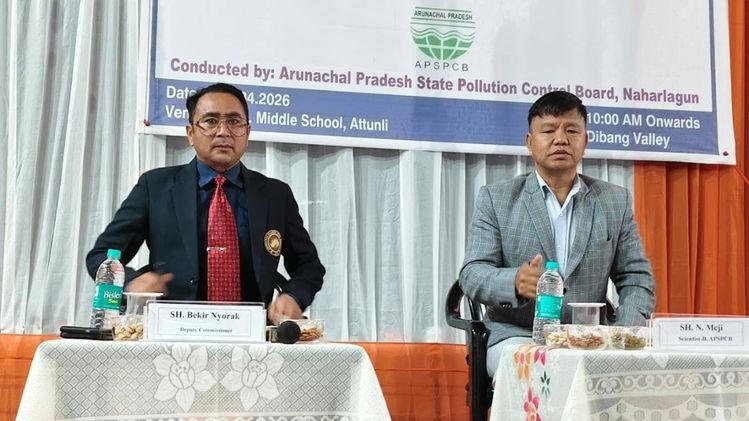
A crucial public hearing was held in Arunachal Pradesh’s Dibang Valley regarding the proposed 680-MW Attunli hydropower project, marking an important step in the project’s approval process. The Attunli hydropower project hearing brought together local residents, officials, and stakeholders to discuss the potential benefits and concerns associated with the ambitious initiative.
Read More: Meghalaya Approves Provident Fund Scheme for Private Education Staff
Public Hearing Conducted in Dibang Valley
The public hearing took place in Dibang Valley district, where authorities invited feedback from local communities and stakeholders. Such hearings are a mandatory part of the environmental clearance process for large infrastructure projects in India.
Officials from the district administration and project authorities were present to explain the details of the proposed hydropower project. They outlined the objectives, expected benefits, and technical aspects of the initiative.
The Attunli hydropower project hearing saw participation from community members, civil society representatives, and environmental groups, reflecting the significance of the project for the region.
Overview of the Attunli Hydropower Project
The proposed Attunli hydropower project aims to generate 680 megawatts of electricity, making it a major addition to Arunachal Pradesh’s growing hydropower capacity.
Located in the resource-rich Dibang Valley, the project seeks to harness the region’s river systems to produce renewable energy. It is part of broader efforts to tap the hydropower potential of the Northeast.
Officials stated that the project will contribute to both regional and national energy needs. It is expected to supply electricity to multiple states, thereby strengthening the power grid.
Local Community Voices and Concerns
During the hearing, local residents expressed a mix of support and concern regarding the project. While many acknowledged the potential economic benefits, others raised issues related to environmental impact and displacement.
Some participants highlighted the need to protect forests, wildlife, and traditional livelihoods. They emphasized that development should not come at the cost of ecological balance.
Others called for proper compensation and rehabilitation measures for affected families. Ensuring fair treatment of displaced communities emerged as a key concern during the Attunli hydropower project hearing.
Economic and Developmental Benefits
Supporters of the project pointed to its potential to drive economic growth in the region. Large-scale hydropower projects often bring infrastructure development, employment opportunities, and increased investment.
Officials stated that the Attunli project could create jobs during both construction and operational phases. Improved connectivity and local business opportunities are also expected to follow.
Moreover, the project aligns with Arunachal Pradesh’s strategy to leverage its natural resources for development. Hydropower remains a key sector for economic progress in the state.
Environmental Considerations Take Centre Stage
Environmental concerns were a major focus of the hearing. Dibang Valley is known for its rich biodiversity and fragile ecosystem, making it essential to carefully assess the project’s impact.
Environmental groups and local residents urged authorities to conduct thorough impact assessments. They stressed the importance of preserving the region’s natural heritage.
Project officials assured participants that environmental safeguards would be implemented. They stated that measures would be taken to minimize ecological disruption and ensure sustainable development.
Role of Government and Regulatory Process
The public hearing forms a critical part of the regulatory process for the project. Feedback collected during the hearing will be considered in the environmental clearance decision.
Authorities emphasized that the government is committed to transparent and inclusive decision-making. By involving local communities, the process aims to address concerns and build consensus.
The Attunli hydropower project hearing reflects the importance of participatory governance in large infrastructure projects.
Strategic Importance for Arunachal Pradesh
Arunachal Pradesh has immense potential for hydropower generation due to its rivers and terrain. Projects like Attunli are crucial for tapping this potential.
The successful implementation of such projects can enhance the state’s contribution to India’s energy sector. It can also improve local infrastructure and living standards.
However, balancing development with environmental and social considerations remains a key challenge.
Mixed Reactions from Stakeholders
The hearing highlighted differing perspectives among stakeholders. While some participants supported the project for its economic benefits, others remained cautious about its impact.
This mix of opinions underscores the complexity of large-scale development projects. Addressing these concerns will be essential for the project’s progress.
Authorities are expected to carefully review all feedback before moving forward with the approval process.
Way Forward for the Project
Following the public hearing, the next steps will involve reviewing the feedback and completing the necessary environmental assessments. Regulatory authorities will then decide on granting clearance.
If approved, the project will move into the construction phase. Continued engagement with local communities will be important to ensure smooth implementation.
The Attunli hydropower project hearing marks a significant step in this process, setting the stage for future developments.
Conclusion
The public hearing on the 680-MW Attunli hydropower project in Dibang Valley highlights both the opportunities and challenges associated with large infrastructure initiatives. The Attunli hydropower project hearing has provided a platform for stakeholders to voice their views and concerns.
As Arunachal Pradesh continues to pursue hydropower development, ensuring a balanced approach will be crucial. By addressing environmental and social issues while promoting economic growth, the state can achieve sustainable progress.
The outcome of this process will determine the future of the Attunli project and its impact on the region.
Read More: Tipra Motha Acting Like Opposition Despite Cabinet Role: Manik Saha