


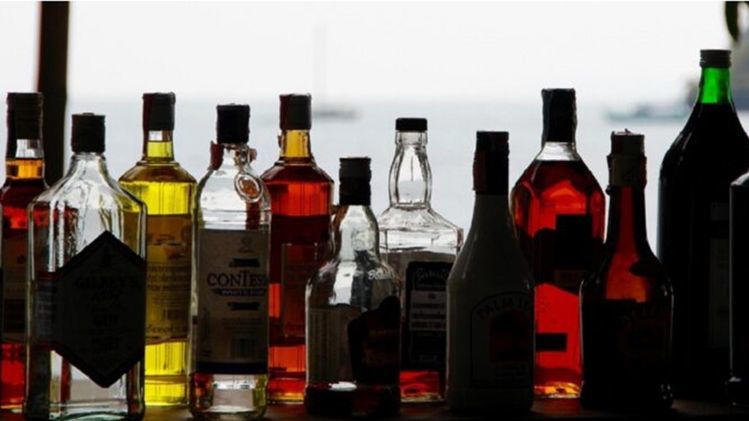
Civil society organisations (CSOs) in Dimapur have approached the Nagaland Chief Minister, demanding the repeal of the state’s liquor prohibition law. They described the existing policy as “failed” and argued that it has not achieved its intended objectives.
The groups submitted a memorandum highlighting various concerns related to the enforcement and impact of the prohibition. Moreover, they urged the government to consider a more practical and regulated approach to alcohol policy.
The demand has reignited debate over the effectiveness of prohibition in Nagaland.
Read More: Tripura CM vs royal scion: Fallout ahead of April polls intensifies
CSOs call policy ineffective and outdated
The Dimapur-based CSOs stated that the current prohibition law has failed to curb alcohol consumption. Instead, they claimed that it has led to the rise of illegal trade and unregulated supply chains.
Furthermore, they argued that the policy no longer reflects ground realities. According to them, enforcement challenges and loopholes have made the law ineffective.
They also pointed out that illegal alcohol often poses serious health risks. Therefore, they stressed the need for a system that ensures safety and quality control.
These concerns form the core of the Nagaland liquor prohibition repeal demand.
Concerns over illegal trade and revenue loss
One of the major issues highlighted by the CSOs is the growth of illegal alcohol trade. Despite the ban, unlicensed sales continue in various parts of the state.
As a result, the government loses potential revenue that could be generated through regulated sales. Moreover, illegal trade often operates without oversight, increasing risks for consumers.
The organisations argued that a regulated system could address both concerns. It would allow authorities to monitor sales while generating revenue for development initiatives.
Therefore, they emphasised the economic implications of the current policy.
Memorandum submitted to Chief Minister
The CSOs formally submitted their memorandum to the Nagaland Chief Minister, outlining their demands and suggestions. They called for a comprehensive review of the existing law.
In addition, they proposed consultations with stakeholders, including community leaders, health experts, and policymakers. Such discussions could help design a balanced and effective policy.
The groups also urged the government to act promptly. According to them, delaying reforms may worsen existing challenges.
Therefore, the memorandum represents a significant step in pushing for policy change.
Government yet to respond officially
As of now, the state government has not issued an official response to the demands. However, the issue has sparked discussions within political and administrative circles.
Officials are likely to examine the concerns raised by the CSOs. Moreover, any decision on the matter will require careful consideration of social, cultural, and economic factors.
The government must also balance public opinion with policy objectives. Therefore, the response is expected to take time.
Social and cultural dimensions of prohibition
Liquor prohibition in Nagaland has strong social and cultural roots. Many communities support the ban due to concerns about alcohol-related issues.
However, the current debate highlights changing perspectives. While some continue to back prohibition, others advocate for regulated alternatives.
The CSOs acknowledged these sensitivities. At the same time, they argued that policy decisions must reflect present-day realities.
Therefore, any reform will need to address both cultural values and practical challenges.
Call for regulated and balanced policy
The CSOs have proposed a shift from prohibition to regulation. They believe that a controlled system can reduce illegal activities and improve public safety.
Under such a system, authorities could enforce strict guidelines on production, distribution, and consumption. Moreover, awareness campaigns could address health concerns.
The organisations emphasised that regulation does not mean promoting alcohol consumption. Instead, it focuses on managing it responsibly.
Therefore, they see this approach as a balanced solution.
Political and public reactions
The demand for repeal has generated mixed reactions. Some political leaders and community members have supported the CSOs’ stance.
They argue that the current policy has not delivered desired results. Therefore, reform becomes necessary.
However, others have expressed concerns about the social impact of lifting the ban. They fear that increased availability of alcohol may lead to negative consequences.
As a result, the issue has become a subject of active public debate.
Challenges in policy reform
Reforming the liquor prohibition law will involve several challenges. The government must consider legal, administrative, and social aspects.
In addition, it must ensure that any new policy includes safeguards to prevent misuse. Effective enforcement mechanisms will be crucial.
Public awareness and community engagement will also play a key role. Therefore, policymakers must adopt a comprehensive approach.
Conclusion
The demand by Dimapur CSOs to repeal Nagaland’s liquor prohibition law has brought the issue back into focus. By calling the policy “failed,” they have highlighted concerns about effectiveness, enforcement, and economic impact.
As the government considers its response, the debate is likely to continue. Balancing social values with practical realities will remain a key challenge.
Ultimately, the decision will shape the future of alcohol policy in Nagaland and its broader social and economic implications.
Read More: Gaurav Gogoi vs Hitendra Nath Goswami in Jorhat: High-stakes electoral battle