


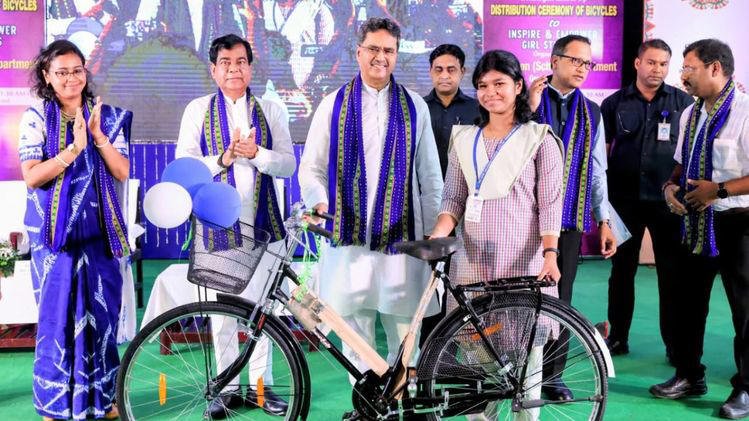
Tripura Chief Minister Manik Saha has announced a significant decline in the state’s school dropout rate, describing it as a major achievement for the education sector and a reflection of the government’s sustained efforts to improve access to quality education. The Chief Minister stated that various initiatives undertaken by the state government have contributed to keeping more students in classrooms and ensuring better educational outcomes across Tripura.
The development is being viewed as a positive indicator of progress in the state’s education system, particularly in rural and remote areas where school attendance and retention have historically posed challenges. The government believes that continued investments in educational infrastructure, teacher training, student welfare schemes, and digital learning initiatives have played a crucial role in reducing dropout numbers.
CM Highlights Progress in Education Sector
Speaking on the state’s educational achievements, Chief Minister Manik Saha emphasized that reducing school dropout rates has been one of the government’s key priorities. He noted that ensuring every child remains connected to the education system is essential for building a skilled and empowered society.
According to the Chief Minister, the decline in dropout rates reflects the success of targeted interventions aimed at improving access to education and addressing the socio-economic factors that often force students to leave school prematurely.
He reiterated the government’s commitment to creating a learning environment where students are encouraged to continue their education and achieve their full potential.
Government Initiatives Contribute to Better Retention
Education experts often identify poverty, inadequate infrastructure, lack of transportation, and limited access to quality teaching as major reasons behind school dropouts. To address these challenges, the Tripura government has implemented a range of programs designed to improve student retention.
These measures include upgrading school infrastructure, providing scholarships and financial assistance, strengthening midday meal schemes, and improving access to learning materials. Authorities have also focused on ensuring that schools are equipped with basic facilities that support a positive learning environment.
Officials believe that such interventions have helped reduce barriers to education and encouraged students to remain enrolled throughout their academic journey.
Improved Infrastructure Strengthens Education System
One of the key factors contributing to the decline in dropout rates has been the improvement of educational infrastructure across the state. Over the past few years, the government has undertaken efforts to modernize school buildings, classrooms, laboratories, libraries, and sanitation facilities.
The availability of better infrastructure creates a more conducive learning atmosphere and enhances the overall educational experience for students. Modern facilities not only improve attendance but also contribute to greater engagement and academic performance.
Special attention has been given to schools in rural and underserved regions to ensure that educational opportunities are available to students irrespective of their geographical location.
Focus on Quality Education
Apart from increasing enrollment and retention, the state government has emphasized the importance of improving the quality of education. Teacher training programs, curriculum enhancement initiatives, and digital learning tools have been introduced to strengthen classroom teaching and learning outcomes.
The Chief Minister highlighted that education reforms are not limited to physical infrastructure alone. Efforts are also being made to improve teaching standards and equip students with skills that are relevant in a rapidly changing world.
Authorities believe that when students receive quality education and meaningful learning experiences, they are more likely to remain engaged and complete their schooling.
Digital Learning Expands Educational Access
Technology has emerged as an important component of the state’s educational strategy. The government has increasingly promoted digital learning platforms and technology-enabled education to bridge learning gaps and improve access to resources.
Digital initiatives have helped students access educational content beyond traditional classroom settings. They have also supported teachers in delivering lessons more effectively and engaging students through interactive learning methods.
The integration of technology into education is expected to play a growing role in strengthening learning outcomes and reducing dropout risks in the future.
Special Attention to Rural and Vulnerable Communities
Reducing dropout rates often requires targeted support for students from economically disadvantaged backgrounds and remote communities. The Tripura government has focused on ensuring that educational programs reach vulnerable sections of society.
Scholarship schemes, transportation support, awareness campaigns, and community engagement initiatives have been introduced to encourage families to prioritize education. Local authorities and school management committees have also played an important role in identifying students at risk of dropping out and helping them remain connected to the education system.
These efforts have contributed to improved enrollment and retention rates across various regions of the state.
Long-Term Benefits of Lower Dropout Rates
Education experts point out that lower dropout rates generate long-term social and economic benefits. Students who complete their schooling are more likely to pursue higher education, secure better employment opportunities, and contribute positively to society.
A stronger education system also helps improve literacy levels, reduce poverty, and promote inclusive development. By ensuring that more children remain in school, the state can build a skilled workforce capable of supporting future economic growth.
The decline in dropout rates is therefore being viewed not only as an educational achievement but also as an important milestone in Tripura’s broader development journey.
Continued Focus on Educational Reforms
While celebrating the progress achieved so far, the state government has acknowledged that further efforts are needed to sustain and improve educational outcomes. Authorities continue to work on expanding infrastructure, strengthening teaching quality, and enhancing student support mechanisms.
The Chief Minister stressed that education remains a top priority for the government and that all stakeholders must work together to ensure that every child has access to quality learning opportunities.
Future initiatives are expected to focus on increasing digital inclusion, improving vocational education, and enhancing higher education opportunities within the state.
A Positive Sign for Tripura’s Future
The significant reduction in school dropout rates highlighted by Chief Minister Manik Saha represents an encouraging development for Tripura’s education sector. It reflects the impact of sustained policy interventions, improved infrastructure, and community participation in promoting education.
As the state continues to invest in educational reforms and student welfare, the progress achieved in reducing dropouts provides a strong foundation for future growth. With more children remaining in school and gaining access to quality education, Tripura is taking important steps toward building a more educated, skilled, and prosperous society.