


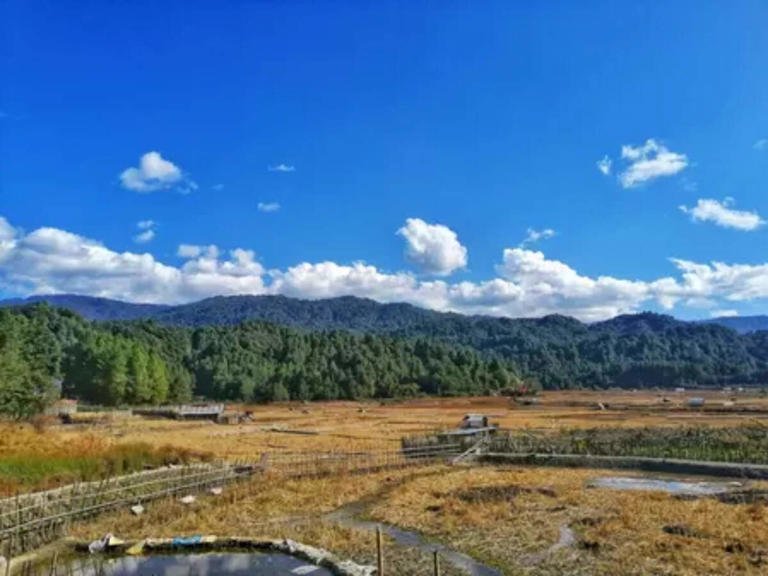
The advisory panel of the Union Environment Ministry has recommended the diversion of forest land for the proposed Kalai-II Hydroelectric Project in Arunachal Pradesh, marking an important step forward for one of the state’s planned hydropower developments. The recommendation paves the way for further clearances and approvals required for the project, which aims to contribute to energy generation and infrastructure growth in the region.
The decision reflects the government’s continued focus on harnessing Arunachal Pradesh’s vast hydropower potential while balancing environmental and developmental considerations. Officials believe the project can support energy security, economic growth, and regional development.
The Kalai-II Hydroelectric Project forms part of broader efforts to expand renewable energy generation and strengthen power infrastructure in the northeastern region.
Advisory Panel Recommends Forest Diversion
The Environment Ministry’s advisory committee reviewed the proposal seeking diversion of forest land for the construction and associated infrastructure of the Kalai-II Hydroelectric Project. After examining the project’s details and relevant documentation, the panel recommended approval of the forest diversion proposal.
Forest diversion approvals constitute an important component of infrastructure development projects located in ecologically sensitive areas. Such proposals undergo scrutiny to assess environmental implications and compliance with regulatory requirements.
Officials noted that the recommendation remains subject to conditions and further approvals under applicable environmental and forest conservation regulations. Project authorities must comply with all stipulated requirements before moving ahead with construction activities.
The recommendation nevertheless represents a significant milestone in the project’s approval process.
Kalai-II Project Aims to Boost Renewable Energy
The Kalai-II Hydroelectric Project is expected to contribute to renewable energy generation in Arunachal Pradesh, a state known for its vast river systems and hydropower potential.
Hydropower continues to play an important role in India’s energy strategy because it provides a renewable and relatively clean source of electricity. Policymakers view hydropower projects as crucial for meeting growing energy demand while reducing dependence on fossil fuels.
Officials believe the Kalai-II project can help strengthen power availability and improve energy infrastructure in the region. Once operational, the project is expected to contribute electricity to the grid and support economic activities across multiple sectors.
The project also aligns with national efforts to increase renewable energy capacity and improve long-term energy security.
Arunachal Pradesh’s Hydropower Potential
Arunachal Pradesh possesses some of India’s largest untapped hydropower resources. Numerous rivers flowing through the state provide significant opportunities for electricity generation.
Over the years, both state and central governments have promoted hydropower development as a means of accelerating economic growth and improving infrastructure. Several projects have either been completed, are under construction, or remain in various stages of planning and approval.
Supporters of hydropower development argue that these projects can generate revenue, create employment opportunities, and improve connectivity in remote areas. They also believe hydropower can play a vital role in supporting regional development.
The Kalai-II project represents another step in the broader strategy of utilizing Arunachal Pradesh’s natural resources for sustainable economic growth.
Environmental Considerations Remain Important
While hydropower projects offer developmental benefits, environmental considerations remain a key part of the approval process. Forest diversion proposals receive detailed examination because they involve the use of land covered under forest conservation regulations.
Authorities typically assess potential impacts on biodiversity, wildlife habitats, vegetation, and local ecosystems before making recommendations. Environmental safeguards and mitigation measures often form an integral part of project approvals.
Officials stated that project developers must comply with environmental conditions and undertake compensatory measures as required under existing laws and regulations.
Environmental experts frequently emphasize the importance of balancing infrastructure development with ecological protection. Therefore, monitoring and compliance remain crucial throughout the project lifecycle.
The advisory panel’s recommendation reflects an effort to address developmental requirements while ensuring adherence to environmental norms.
Economic Benefits Expected
The proposed hydropower project is expected to generate several economic benefits for Arunachal Pradesh and the surrounding region. Infrastructure projects of this scale often create employment opportunities during both construction and operational phases.
Local businesses may also benefit from increased demand for goods, services, transportation, and logistics. Improved infrastructure associated with hydropower projects can contribute to broader economic activity in nearby areas.
Officials believe the project may strengthen regional development by attracting investment and supporting future infrastructure initiatives. Revenue generated through hydropower production can also contribute to state development programmes.
The project’s supporters argue that renewable energy investments create long-term economic value while supporting national energy goals.
Contribution to Regional Development
Hydropower projects often serve as catalysts for development in remote and geographically challenging regions. Arunachal Pradesh continues to focus on improving infrastructure, connectivity, and economic opportunities across various districts.
The Kalai-II project is expected to contribute to these objectives by supporting energy generation and associated infrastructure development. Better power availability can benefit households, businesses, educational institutions, and public services.
Officials also note that large infrastructure projects often encourage improvements in transportation networks and communication systems. These developments can create lasting benefits for local communities.
Consequently, policymakers view hydropower as an important component of the state’s long-term development strategy.
Regulatory Process Continues
Although the advisory panel has recommended forest diversion for the project, additional regulatory procedures remain before construction can proceed. Authorities must complete further clearances, reviews, and compliance requirements under applicable laws.
Project developers will need to meet conditions specified by environmental and forest authorities. Monitoring mechanisms will likely ensure adherence to approved safeguards and mitigation measures.
Officials emphasized that all statutory procedures must be followed before the project enters subsequent phases of development.
The recommendation nevertheless marks a significant advancement in the project’s approval journey and reflects continued momentum behind hydropower expansion initiatives in the state.
Looking Ahead
The Environment Ministry’s advisory panel’s recommendation for forest diversion represents an important milestone for the Kalai-II Hydroelectric Project in Arunachal Pradesh. The decision supports efforts to harness the state’s hydropower potential while advancing renewable energy generation and infrastructure development.
Supporters believe the project can contribute to energy security, economic growth, and regional development. At the same time, environmental safeguards and regulatory compliance will remain critical components of the project’s implementation.
As the approval process moves forward, attention will focus on ensuring that developmental objectives and environmental responsibilities progress together. If completed successfully, the Kalai-II project could become another significant addition to Arunachal Pradesh’s growing renewable energy landscape.