


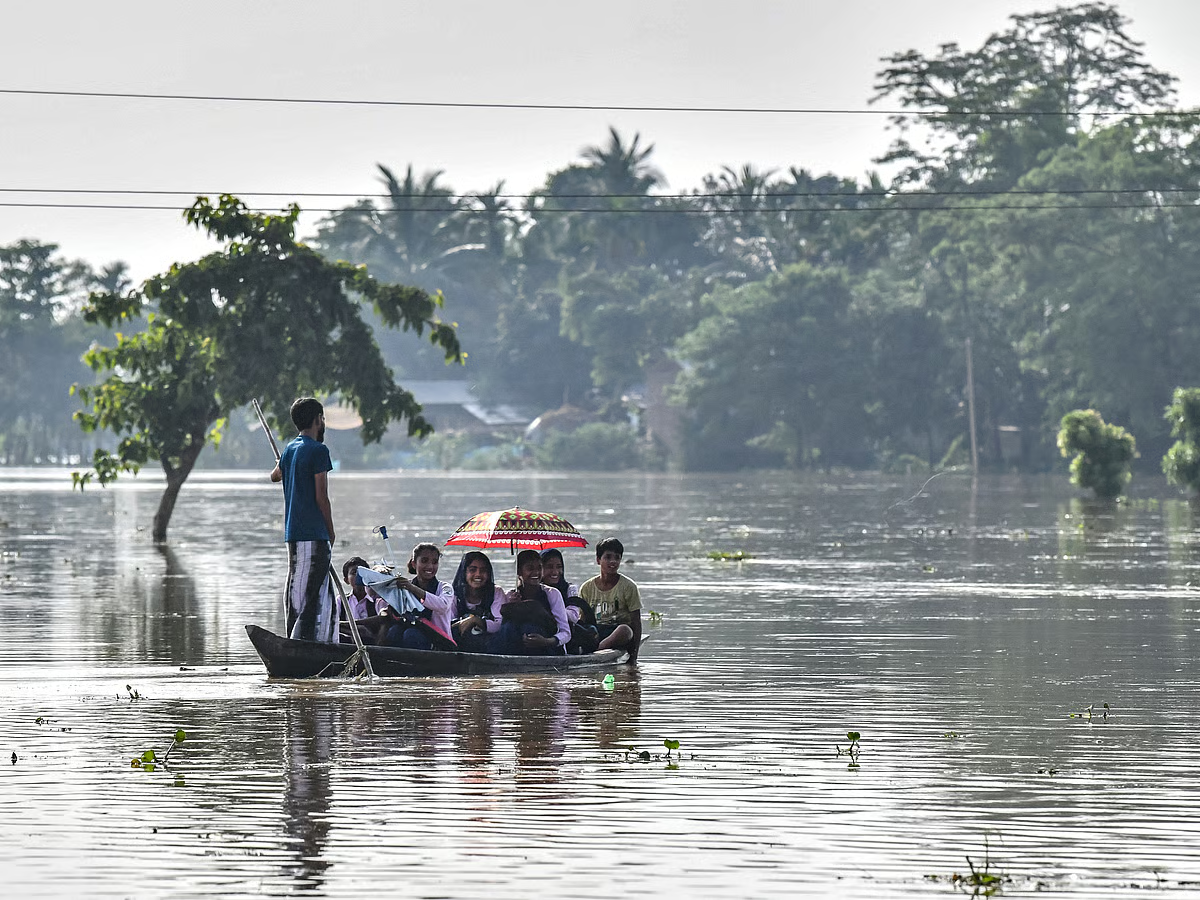
The India Meteorological Department (IMD) has issued an emergency alert warning of widespread and extremely heavy monsoon rainfall across Assam, Meghalaya, and Sikkim beginning June 30. The weather agency has cautioned that several districts may experience intense precipitation, increasing the risk of flash floods, landslides, waterlogging, and disruptions to transportation services. Moreover, state administrations have been advised to remain on high alert and activate disaster management protocols. The advisory highlights the seriousness of the ongoing monsoon conditions across the northeastern region.
Power Infrastructure Repairs Restore Electricity
IMD Warns of Extremely Heavy Rainfall Across Northeast States
The India Meteorological Department declared an emergency weather alert on June 30, forecasting extremely heavy rainfall across Assam, Meghalaya, and Sikkim over the coming days. Consequently, authorities have intensified monitoring efforts in vulnerable districts.
According to meteorological forecasts, several areas may receive exceptionally high rainfall due to active monsoon systems and favorable atmospheric conditions. Moreover, continuous precipitation could lead to rising river levels and localized flooding. Therefore, residents have been advised to remain cautious and follow official advisories.
Officials emphasized that weather conditions remain dynamic and require continuous monitoring. Furthermore, emergency response teams have been placed on standby. As a result, state governments are preparing for possible weather-related emergencies.
Meanwhile, district administrations have been instructed to maintain close coordination with disaster management agencies. Consequently, precautionary measures are being implemented proactively.
Flood and Landslide Risks Heightened in Vulnerable Areas
The emergency alert has significantly increased concerns regarding floods and landslides across the affected states. Moreover, many regions in Northeast India are highly susceptible to monsoon-related disasters due to their geographical characteristics. Therefore, authorities have issued warnings for residents living in vulnerable areas.
In Assam, concerns remain over river flooding and urban waterlogging. Meanwhile, Meghalaya and Sikkim face elevated risks of landslides and road blockages due to continuous rainfall. Consequently, transportation networks and essential services could face disruptions.
Furthermore, local administrations have begun reviewing evacuation plans and emergency shelter arrangements. As a result, preparedness levels are being strengthened throughout the region.
Meanwhile, rescue and relief agencies remain on alert for any emergency deployment. Similarly, communication systems are being monitored to ensure rapid response capability.
Authorities Activate Emergency Preparedness Measures
State governments and disaster management authorities have intensified preparedness efforts following the IMD advisory. Moreover, emergency operation centers have been instructed to maintain round-the-clock surveillance. Therefore, rapid response mechanisms are being reinforced.
Officials stated that district administrations have been directed to monitor rainfall patterns, river levels, and vulnerable locations continuously. Consequently, emergency services have been placed on standby to address any developing situation.
Furthermore, public advisories have been issued urging citizens to avoid unnecessary travel during periods of intense rainfall. As a result, authorities hope to minimize risks to public safety.
Meanwhile, schools, local bodies, and public utility agencies are coordinating contingency plans. Similarly, relief materials and emergency equipment are being positioned in strategic locations.
Citizens Advised to Follow Official Weather Updates
The IMD and state authorities have urged residents to remain vigilant and rely only on official weather bulletins and emergency notifications. Moreover, misinformation during severe weather events can create unnecessary panic. Therefore, citizens have been encouraged to verify updates through authorized channels.
Officials advised residents in landslide-prone and flood-prone areas to remain prepared for possible evacuations if conditions worsen. Consequently, emergency preparedness at the household level is also being emphasized.
Furthermore, travelers have been urged to check weather conditions before undertaking journeys. As a result, authorities expect improved public safety awareness during the extreme weather period.
Meanwhile, continuous weather monitoring will remain in effect until conditions stabilize. Similarly, updated forecasts and alerts will be issued regularly.
Conclusion
The IMD’s emergency warning for extremely heavy rainfall across Assam, Meghalaya, and Sikkim underscores the severity of the current monsoon situation in Northeast India. Moreover, the heightened risk of floods, landslides, and infrastructure disruptions has prompted authorities to activate emergency response mechanisms.
The situation highlights the importance of preparedness, timely communication, and public cooperation during extreme weather events. Therefore, residents are advised to remain alert and closely follow official advisories.
As the monsoon system continues to intensify, authorities across the region remain focused on safeguarding lives and minimizing the impact of potential disasters.
FAQs
1. Which states have been placed under the IMD’s emergency rainfall alert?
Assam, Meghalaya, and Sikkim.
2. What weather conditions are expected?
Extremely heavy rainfall, flooding, waterlogging, and possible landslides.
3. Why is the alert considered serious?
The forecast indicates widespread and intense monsoon activity that could disrupt normal life and infrastructure.
4. What precautions have authorities advised?
Residents should avoid unnecessary travel, monitor official updates, and remain prepared for emergencies.
5. Which agencies are monitoring the situation?
The India Meteorological Department, state governments, and disaster management authorities.