


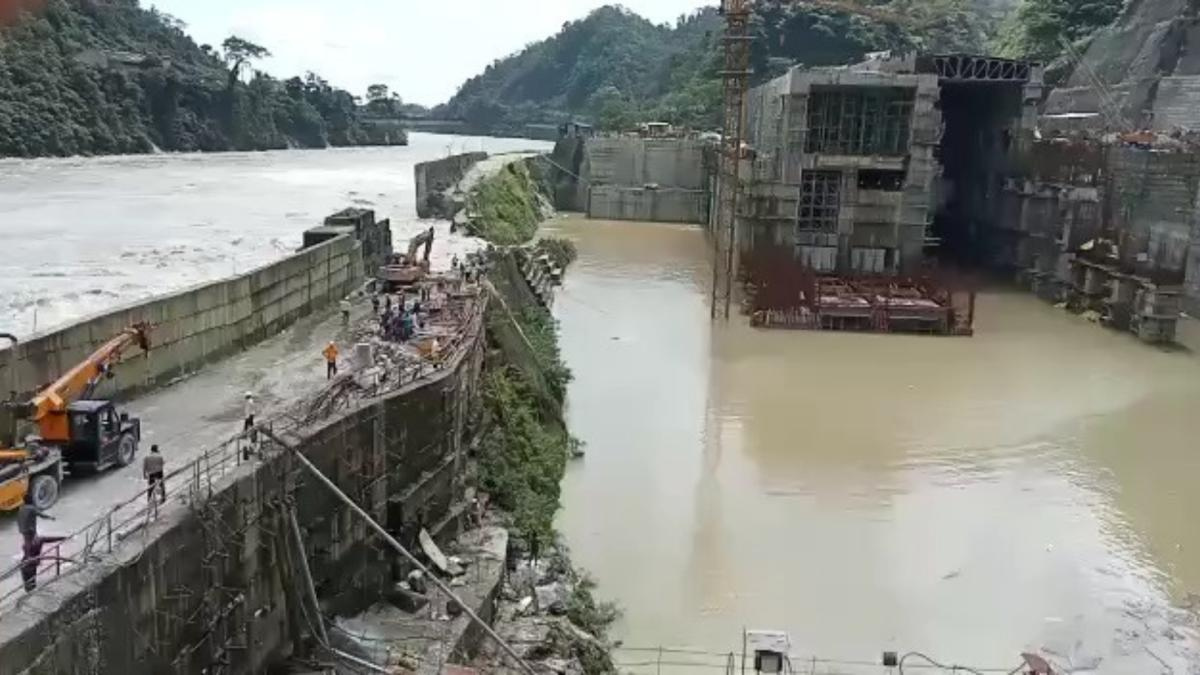
Arunachal Flash Flood Damage drew attention after torrential rainfall triggered flash floods in Upper Subansiri and caused extensive disruption to local infrastructure. The sudden rise in water levels washed away critical transit bridges and damaged nearby properties, affecting movement and daily activity in impacted areas. Additionally, authorities continued assessing conditions and monitoring the situation following the severe weather event.
Preserving Tribal Heritage Emphasised In Nagaland
Assam Announces Dedicated Counter-Radicalisation Cell
Torrential Rainfall Triggers Flood Situation
Heavy downpours affected parts of Upper Subansiri and led to rapid water accumulation that resulted in flash flooding. The intense rainfall increased pressure on local infrastructure and created immediate challenges for residents and transport movement.
Authorities monitored conditions while assessing the scale of disruption caused by the weather event. Consequently, attention shifted toward restoring connectivity and evaluating affected locations.
The incident also highlighted the vulnerability of hilly regions during periods of intense rainfall.
Transit Bridges Washed Away By Floodwaters
Flash flood conditions reportedly washed away critical transit bridges used for movement and local connectivity. Damage to these structures disrupted access and created difficulties for transportation across affected sections.
Additionally, bridge infrastructure plays an important role in maintaining connectivity during weather-related emergencies. Therefore, authorities continued evaluating possible response measures and infrastructure needs.
Arunachal Flash Flood Damage highlighted the broader impact of sudden flooding on public movement.
Properties Sustain Damage Across Affected Areas
Floodwaters also damaged local properties as intense rainfall and water flow affected surrounding areas. Residents experienced disruption while authorities reviewed the extent of impact caused by the weather conditions.
Furthermore, flash floods can create immediate challenges for communities due to rapid onset and infrastructure pressure. As a result, local attention remained focused on recovery and assessment activities.
Officials continued collecting information related to affected locations.
Authorities Monitor Situation And Response
Authorities remained engaged in monitoring weather conditions and reviewing affected infrastructure following the flood event. Additionally, officials continued observing local developments while coordinating assessment activities.
Emergency response planning often prioritizes restoration of access and support for impacted communities. Consequently, administrative attention remained focused on evaluating immediate requirements.
Arunachal Flash Flood Damage also renewed concern regarding weather resilience and preparedness.
Weather Risks Increase During Seasonal Conditions
Periods of intense rainfall frequently raise the possibility of flash floods, especially in regions with sensitive terrain and limited drainage capacity. Moreover, sudden weather changes can affect both infrastructure and local communities.
Officials encouraged continued caution and awareness during adverse weather conditions. Therefore, monitoring and preparedness remained important as rainfall activity continued.
The event also highlighted the importance of long-term planning for weather-related challenges.
Community Recovery Efforts Gain Importance
Communities affected by the flooding continued responding to disruption caused by damaged infrastructure and changing conditions. Meanwhile, authorities remained focused on understanding immediate needs and restoring normal movement where possible.
Public awareness and preparedness continue supporting response efforts during severe weather situations. Additionally, coordinated action remains important for reducing future risks.
Arunachal Flash Flood Damage has become a significant reminder of the impact extreme weather can create across vulnerable regions.
Conclusion
Arunachal Flash Flood Damage caused major disruption in Upper Subansiri after torrential rainfall triggered flash floods that washed away key transit bridges and damaged local properties. The incident highlighted the challenges associated with extreme weather and reinforced the importance of preparedness and infrastructure resilience. Meanwhile, authorities continue monitoring conditions and assessing the extent of the damage.
FAQs
Where did the flash floods occur?
The flash floods affected Upper Subansiri in Arunachal Pradesh.
What caused the flooding?
Torrential rainfall triggered rapid water accumulation and flash flood conditions.
What infrastructure suffered damage?
Floodwaters washed away critical transit bridges and affected local connectivity.
Were local properties affected?
Yes, authorities reported damage to properties in impacted areas.
What are authorities doing after the incident?
Officials continue monitoring conditions and assessing infrastructure and local impact.
Why is Arunachal Flash Flood Damage significant?
Arunachal Flash Flood Damage highlights the effects of extreme rainfall and the importance of weather preparedness and resilient infrastructure.