


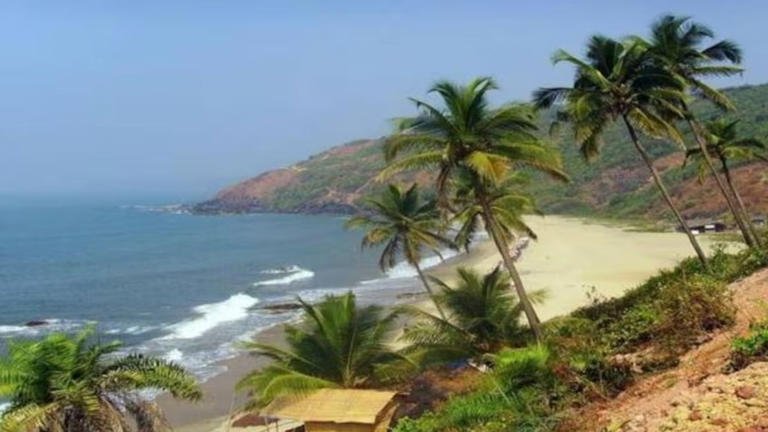
Goa welcomed around 61 lakh tourists in the first seven months of 2026, with the state’s tourism sector witnessing strong demand for the upcoming winter season, officials said.
The steady flow of visitors has provided a boost to Goa’s tourism industry, which remains a key contributor to the state’s economy. Hotels, resorts, restaurants, transport operators and businesses dependent on tourism are preparing for another busy winter season as advance bookings increase.
The latest figures indicate that Goa continues to attract large numbers of domestic and international travellers despite growing competition from other destinations.
Goa Records 61 Lakh Tourist Arrivals
According to tourism authorities, Goa recorded approximately 61 lakh tourist arrivals between January and July 2026.
The figure includes visitors travelling to the state for leisure, beaches, nightlife, cultural experiences, business and other purposes.
Tourism remains one of Goa’s most important economic sectors, supporting a wide network of businesses and workers.
The arrival numbers during the first seven months provide an encouraging indication for the rest of the year, particularly because tourist demand typically rises during the winter months.
Winter Bookings See Strong Demand
The tourism industry is already reporting a surge in bookings for the upcoming winter season.
Goa traditionally experiences its busiest tourism period between October and March, when pleasant weather attracts visitors from across India and overseas.
Hotels and resorts are seeing increased interest from travellers planning holidays around the festive season, Christmas and New Year.
Advance bookings can provide businesses with greater certainty and allow them to prepare staffing, accommodation and other services ahead of the peak period.
Domestic Tourists Remain Important
Domestic tourists continue to form a major part of Goa’s visitor base.
Travellers from metropolitan cities and other parts of India are attracted by the state’s beaches, entertainment, food and cultural experiences.
Improved air connectivity and road links have made Goa accessible to visitors from a growing number of cities.
Short holidays and weekend trips have also contributed to demand, particularly among younger travellers.
The growth of domestic tourism has helped Goa’s tourism industry remain resilient during periods when international arrivals have faced disruptions.
International Tourism Expected to Strengthen
International visitors remain an important segment of Goa’s tourism market.
The state has traditionally attracted travellers from Europe, Russia, the United Kingdom and other international markets.
Improved air connectivity and international marketing can help expand this segment.
Tourism stakeholders are also looking to attract visitors from newer markets in Asia and other regions to diversify Goa’s international tourist base.
A broader international market can help reduce dependence on visitors from any single country or region.
Beaches Continue to Drive Goa Tourism
Goa’s beaches remain among its most recognisable tourism attractions.
Destinations such as Baga, Calangute, Anjuna, Palolem and Morjim attract visitors throughout the tourism season.
However, the state’s tourism offering extends beyond its coastline.
Heritage sites, churches, temples, wildlife areas, spice plantations, local markets and traditional festivals provide additional experiences for travellers.
Promoting these attractions can encourage tourists to explore destinations beyond the most crowded beach areas.
Focus on New Tourism Experiences
Goa’s tourism sector is increasingly diversifying beyond traditional beach holidays.
Wellness tourism, adventure activities, culinary experiences, heritage tourism and eco-tourism are emerging as important segments.
The state can also benefit from promoting longer stays through experiences that encourage visitors to explore its interior regions.
Such diversification can distribute tourism revenue more widely and reduce pressure on heavily visited coastal locations.
Tourism Supports Local Economy
The high volume of tourist arrivals provides significant economic benefits to Goa.
Hotels and restaurants are among the most visible beneficiaries, but tourism also supports taxi operators, tour guides, shopkeepers, event organisers, artisans and local producers.
Small businesses in tourist destinations depend heavily on visitor spending.
An increase in tourist arrivals can therefore generate employment and income across multiple sectors.
The winter season is particularly important because businesses often generate a substantial share of their annual revenue during the peak tourism period.
Infrastructure Needs to Keep Pace
The increase in tourist numbers also places pressure on Goa’s infrastructure.
Traffic congestion, waste management, water supply and public transportation can become major challenges during peak periods.
Authorities will need to ensure that infrastructure keeps pace with rising visitor numbers.
Improving public transport and promoting sustainable mobility could help reduce congestion in popular tourist areas.
Better waste management will also be essential to protecting Goa’s beaches and natural environment.
Sustainable Tourism Becomes More Important
As visitor numbers grow, sustainable tourism will become increasingly important.
Goa’s natural and cultural assets are central to its tourism appeal, making their preservation essential for the industry’s long-term future.
Tourism development needs to balance economic growth with environmental protection.
Measures such as responsible waste disposal, water conservation and protection of coastal ecosystems can help minimise the environmental impact of tourism.
Tourists can also contribute by following local environmental guidelines and avoiding activities that damage sensitive areas.
Hotels Prepare for Peak Season
The rise in advance winter bookings has prompted hotels and hospitality businesses to prepare for increased demand.
Accommodation providers are expected to strengthen staffing and service capacity ahead of the festive and winter period.
The strong booking trend could also support businesses that provide transportation, food services and entertainment.
Higher demand during peak periods may, however, result in increased accommodation and travel costs for visitors.
Travellers planning winter holidays may therefore benefit from making reservations well in advance.
Festivals and Events Boost Visitor Demand
Goa’s calendar of festivals and events is another major factor supporting winter tourism.
Christmas and New Year celebrations attract large numbers of visitors, while music festivals and cultural events provide additional reasons for travellers to visit.
The state can use these events to promote Goa as a year-round destination rather than one that depends exclusively on beach tourism.
Well-planned events can also support local businesses and create employment opportunities.
Need to Expand Beyond Peak Season
While winter remains Goa’s strongest tourism period, reducing seasonal dependence is an important long-term objective.
Promoting monsoon tourism, wellness retreats, heritage experiences and business events could encourage more visitors during traditionally slower months.
This would provide more consistent revenue for tourism businesses and reduce pressure on infrastructure during peak periods.
Goa Tourism Sector Eyes Strong Year
The arrival of around 61 lakh visitors in seven months indicates strong demand for Goa as a tourism destination.
The surge in winter bookings provides additional optimism for hotels, restaurants, transport operators and other tourism-dependent businesses.
However, sustaining growth will require continued investment in infrastructure, connectivity and sustainable tourism practices.
Winter Season Could Bring Further Growth
With the peak winter season approaching, Goa is preparing for another major influx of visitors.
Strong advance bookings suggest that demand is likely to remain robust during the coming months, particularly around Christmas and New Year.
For the state, the challenge will be to convert rising tourist numbers into sustainable economic benefits while protecting the natural and cultural attractions that draw visitors in the first place.
With 61 lakh tourists already recorded in the first seven months of 2026, Goa’s tourism sector appears on course for another strong year. Continued focus on infrastructure, responsible tourism and destination diversification will be crucial to ensuring that growth remains sustainable and beneficial to local communities.