


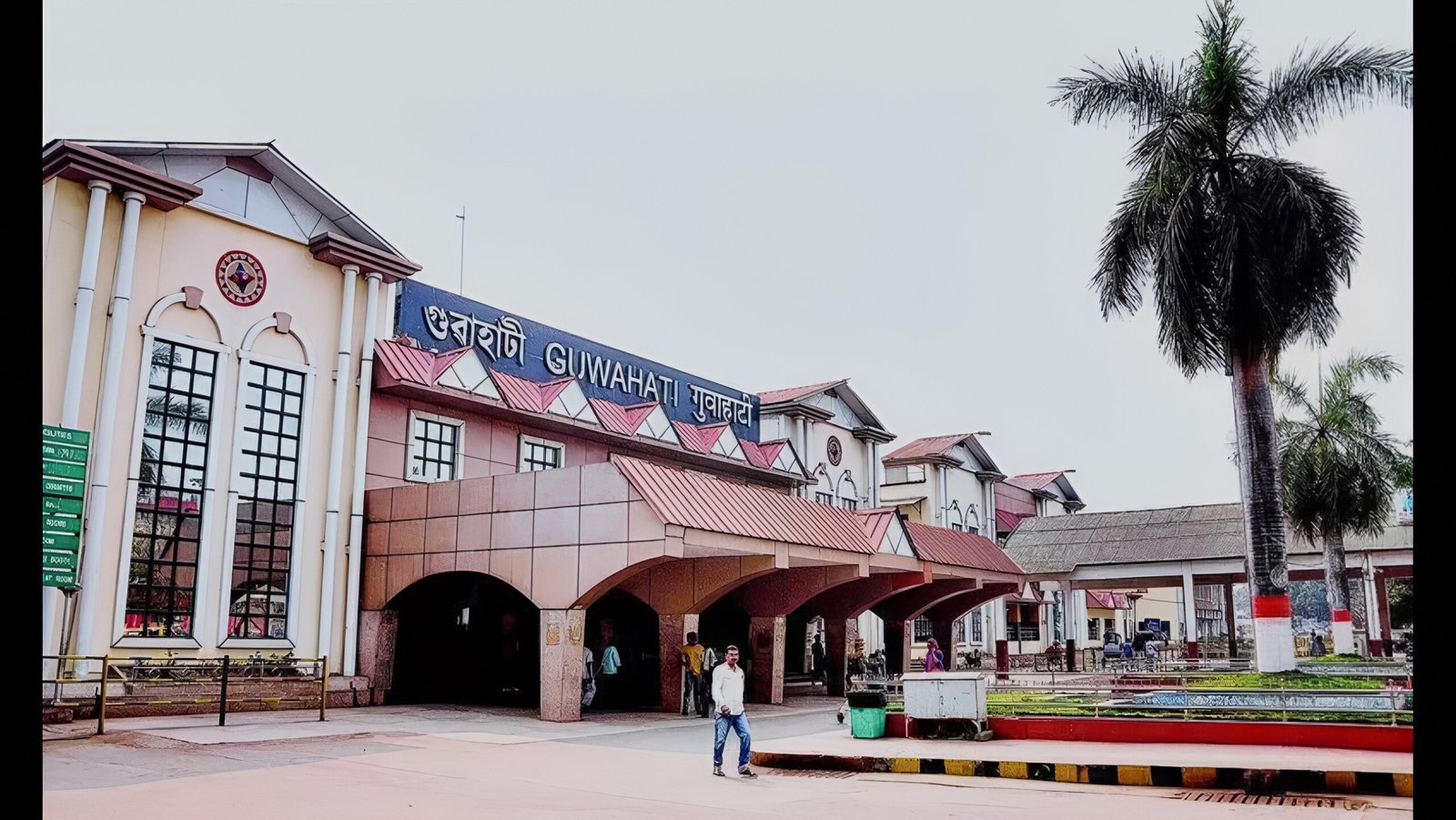
India’s First Plastic-Free Railway Station in the Making
By August 15, 2025, Guwahati Railway Station will emerge as India’s first plastic-recyclable station. This monumental move is being driven by Northeast Frontier Railway in collaboration with IIT Guwahati and the Assam Pollution Control Board. The station aims to revolutionize plastic waste management and introduce a sustainable model for the country’s transport infrastructure. The goal is not just to handle daily plastic waste efficiently but to create an ecosystem that educates and involves every passenger, vendor, and staff member.
Every corner of the station is undergoing a makeover to support this vision. Special signage in multiple languages promotes plastic alternatives. Recyclable material bins are being color-coded and strategically placed to ensure convenience. The design also includes art installations created from recycled plastic, sending a strong visual message on the importance of sustainability.
Eco-Driven Waste Management Systems in Guwahati Railway Station
To achieve its sustainability goals, the station is deploying advanced plastic shredders, automatic waste segregators, and baling machines. These tools will allow efficient sorting and processing of plastic waste while reducing human intervention. The shredders can process up to 300 kg per hour and are capable of handling different plastic types. The segregators use AI to detect contamination levels and sort accordingly, drastically improving recycling efficiency.
Guwahati station also incorporates a two-level collection system: source-level bins for travelers and centralized processing units at the backend. This ensures minimal contamination and maximum utility of waste collected. The processed plastic is transported to government-verified recycling centers where it’s reused in making railway infrastructure components like sleepers, furniture, and protective shields.
Bio-Composters for Organic Waste in Guwahati Railway Station
Alongside plastic waste treatment, the project includes bio-composters that will turn organic station waste into nutrient-rich compost. This compost will be used for maintaining gardens at the station and nearby railway colonies. With three fully automated composting units installed, each capable of processing 100 kg of wet waste daily, the station reduces its landfill contribution significantly.
Excess compost will be sold through a community store located within the premises, allowing locals to purchase organic fertilizer at subsidized rates. The project thereby adds a circular economy component to the initiative, ensuring nothing goes to waste and even kitchen refuse gets repurposed beneficially.
Public Awareness Through Scouts and Theatre in Guwahati Railway Station
To build public support, the project engages Scouts, Guides, and local street theatre teams. These groups educate travelers and staff on sustainable practices and the importance of reducing plastic dependency. Daily street plays, bilingual announcements, and digital screens featuring environmental messages are becoming a regular part of the station’s ambiance.
Further, public interaction booths are set up on platforms where people can take sustainability pledges, access pamphlets in regional languages, and scan QR codes for detailed resources. Schools in Guwahati are also organizing field trips to the station, integrating practical environmental learning into their curriculum.
Daily Impact and Long-Term Vision of Guwahati Railway Station
The station handles about 200 kg of plastic waste every day. With the new system in place, this waste will no longer end up in landfills. Instead, it will be recycled, reused, or composted efficiently, creating a clean and eco-friendly environment. The long-term vision includes transforming Guwahati into a model green transit hub in South Asia, capable of hosting international delegations and sustainability seminars.
Special mobile apps are being developed where travelers can report plastic misuse, track compost collection stats, and get rewards for responsible behavior. This digital integration bridges the gap between policy and participation and encourages passengers to become custodians of the green mission.
Leading the Way in Indian Sustainability
Guwahati Railway Station’s transformation is more than a cleanliness drive — it’s a roadmap for eco-conscious progress. Through strong collaboration, innovation, and community support, it’s setting a benchmark for Indian Railways and the entire country. The journey is ongoing, and its success lies in consistent public involvement and administrative will.
To track the live status of the sustainability transformation at Guwahati Station, visit Indian Railways Official Website.