


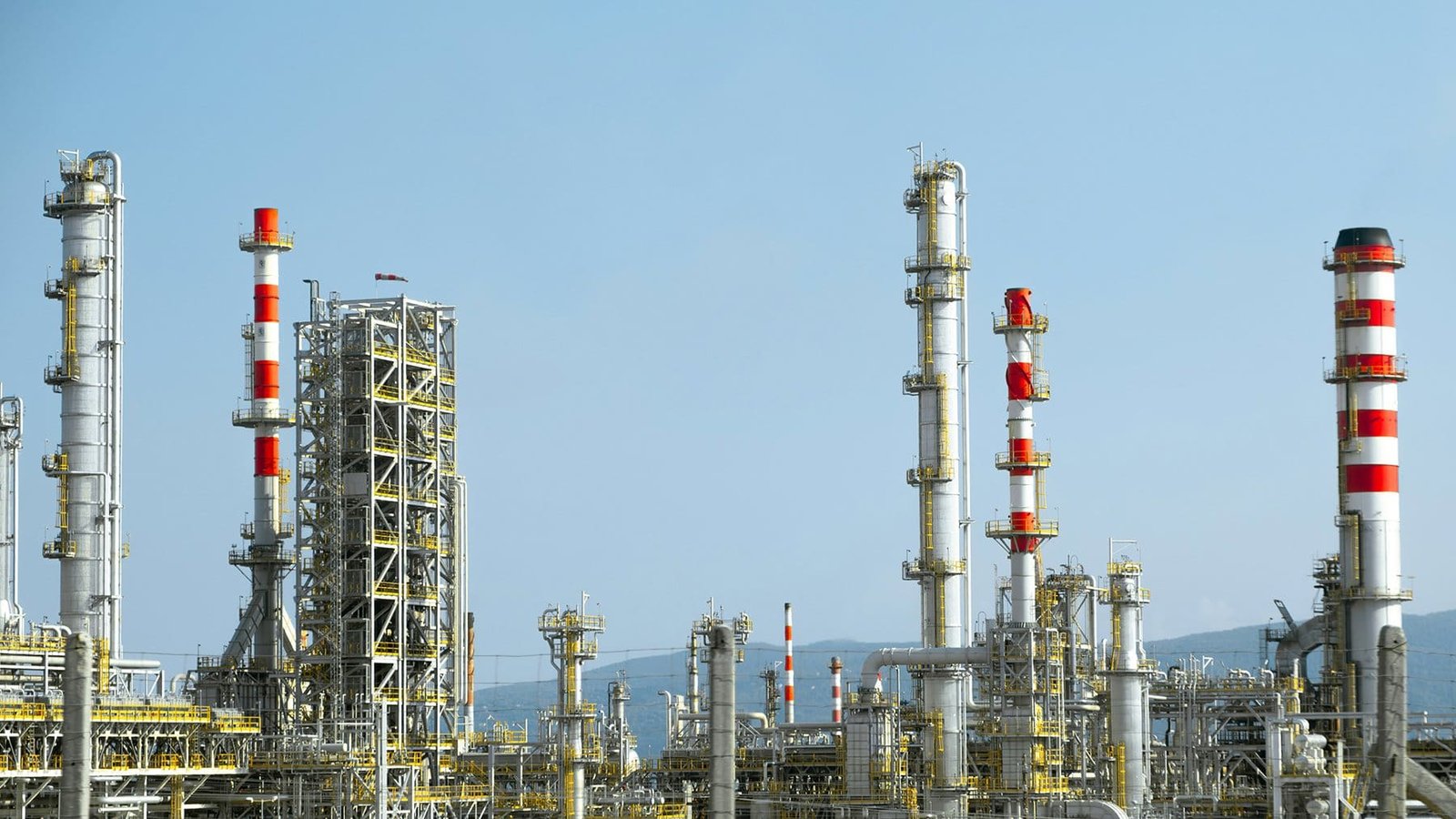
Haldia petrochemical complex expansion plans gained major industrial attention after authorities confirmed large-scale capacity upgrades linked to rising green energy and advanced manufacturing demands in Haldia. The industrial modernization project aims to strengthen petrochemical production, improve supply chain efficiency, and support emerging renewable energy manufacturing sectors across West Bengal. Meanwhile, officials stated that the expansion could significantly enhance eastern India’s industrial competitiveness and chemical manufacturing capabilities.
Guwahati International Airport Expansion Boosts Regional Connectivity
Arunachal Border Highway Project Strengthens Frontier Connectivity
Petrochemical Capacity Upgrade Moves Forward
Authorities confirmed that the industrial expansion project includes upgraded processing infrastructure, higher production capacity, and modernization of existing petrochemical units. Additionally, officials explained that the facility will support growing demand for industrial chemicals and specialized materials used in renewable energy technologies.
The expansion reportedly focuses on supplying materials required for solar panels, electric vehicle components, energy storage systems, and industrial manufacturing applications. Consequently, the upgraded facility may strengthen supply chains connected to India’s clean energy transition strategy. Earlier, rising industrial demand increased pressure on domestic petrochemical production and logistics networks.
Officials from the Haldia Petrochemicals Limited stated that the modernization initiative aligns with broader industrial growth and energy transition objectives. Furthermore, authorities indicated that future development phases may include additional advanced chemical production units.
Green Energy Manufacturing Drives Industrial Demand
Senior industry executives and government representatives attended project review meetings connected to the expansion initiative in Haldia. Meanwhile, officials highlighted the increasing importance of petrochemical products within renewable energy and advanced technology manufacturing sectors.
Authorities explained that clean energy industries rely heavily on specialized polymers, industrial chemicals, and engineered materials. Specifically, renewable energy infrastructure and electric mobility systems require large-scale chemical supply support for manufacturing operations. In addition, industrial analysts believe rising investment in sustainable energy technologies has accelerated demand across petrochemical markets.
Several manufacturing associations welcomed the expansion because improved domestic production capacity may reduce supply chain dependence on imported industrial materials. However, environmental experts emphasized the importance of maintaining strict pollution control systems during industrial growth. Despite this, officials confirmed that environmental compliance measures remain integrated into modernization planning.
Industrial Infrastructure And Logistics Strengthened
The Haldia petrochemical complex expansion project also includes improvements involving storage systems, transport connectivity, and industrial logistics infrastructure. Additionally, authorities confirmed that upgraded cargo handling facilities and pipeline systems will support larger production volumes.
Infrastructure planners explained that efficient transportation networks remain essential for large-scale petrochemical operations and downstream manufacturing industries. As a result, logistics modernization may improve supply efficiency for industries operating across eastern and northeastern India. Furthermore, officials introduced plans involving digital monitoring systems and automated industrial management technologies.
Industrial experts noted that integrated chemical manufacturing ecosystems often influence broader regional economic development patterns. Therefore, Haldia’s industrial expansion may attract additional investment involving plastics, packaging, automotive, and renewable energy manufacturing sectors.
Meanwhile, logistics operators and port-linked businesses reportedly expressed optimism regarding future commercial growth connected to increased production activity. Authorities also indicated that supporting industries may gradually expand around the industrial corridor.
Employment Opportunities Expected To Increase
Officials stated that the industrial modernization initiative may create direct and indirect employment opportunities across engineering, maintenance, logistics, and manufacturing sectors. Additionally, technical training institutions may collaborate with industries to support workforce development programs linked to petrochemical operations.
The Haldia petrochemical complex expansion could also strengthen demand for skilled technicians, industrial engineers, and plant operations specialists. Consequently, vocational training and technical education programs may receive greater attention in surrounding industrial districts. Furthermore, authorities highlighted the importance of workforce modernization within advanced manufacturing sectors.
Economic analysts observed that large-scale industrial expansion projects frequently stimulate secondary employment growth involving transportation, construction, and support services. In addition, local businesses may benefit from rising commercial activity connected to infrastructure development and workforce movement.
Earlier, policymakers introduced industrial training initiatives aimed at supporting advanced manufacturing and energy-related sectors. At the same time, industry associations encouraged stronger collaboration between educational institutions and manufacturing companies.
Sustainability And Energy Efficiency Measures Introduced
Authorities confirmed that modernization efforts include energy-efficient industrial systems and upgraded environmental management technologies. Additionally, officials explained that sustainable production practices remain important as industries adapt to evolving environmental standards.
The Haldia petrochemical complex expansion reportedly incorporates emission control systems, waste management infrastructure, and improved industrial safety mechanisms. Consequently, plant operations may achieve greater efficiency while reducing environmental impact. Furthermore, technical experts continue evaluating cleaner production technologies linked to industrial modernization.
Environmental researchers stated that petrochemical industries increasingly face pressure to improve sustainability performance and operational transparency. Therefore, modernization projects may prioritize environmentally responsible manufacturing systems alongside production expansion goals.
Meanwhile, industry representatives highlighted ongoing efforts involving water conservation and industrial recycling systems within the facility. However, environmental groups requested continuous monitoring of emissions and coastal ecological conditions near industrial zones.
Renewable Energy Supply Chains Receive Support
Officials explained that expanding petrochemical production capacity may strengthen India’s broader renewable energy manufacturing ecosystem. Additionally, advanced materials produced at the facility could support sectors involving solar energy, electric vehicles, and battery manufacturing.
The Haldia petrochemical complex expansion also aligns with national industrial policies promoting domestic manufacturing and energy transition infrastructure. As a result, downstream industries may gain improved access to locally produced industrial materials and chemical inputs. Furthermore, policymakers believe stronger manufacturing capacity could support long-term industrial resilience and supply chain stability.
Several trade experts observed increasing global demand for renewable energy infrastructure and advanced industrial materials. Therefore, Indian manufacturing sectors may continue expanding production capabilities linked to sustainable technology industries.
Meanwhile, export-oriented businesses reportedly showed growing interest in future industrial supply partnerships connected to the Haldia complex. Authorities stated that commercial collaboration discussions remain active across multiple sectors.
Future Industrial Expansion Plans Continue
Government officials confirmed that additional petrochemical and industrial infrastructure proposals remain under consideration for Haldia and surrounding industrial regions. Specifically, authorities continue evaluating expansion plans involving specialty chemicals, advanced materials, and industrial innovation projects.
Experts believe chemical manufacturing and clean energy supply chains will remain central to India’s industrial growth strategies. Moreover, integrated industrial ecosystems may strengthen long-term economic development and export competitiveness.
The Haldia petrochemical complex expansion represents a major industrial milestone for eastern India’s manufacturing sector. Ultimately, officials expect the project to improve production capacity, strengthen green energy supply chains, and support future industrial modernization efforts.
FAQs
What is the Haldia petrochemical complex expansion project?
The project involves major industrial upgrades and increased production capacity at petrochemical facilities in Haldia.
Why is the expansion important for green energy industries?
The facility may supply specialized materials used in renewable energy systems, electric vehicles, and industrial manufacturing.
Which organization operates the complex?
Haldia Petrochemicals Limited oversees operations and industrial expansion activities.
How may the project affect employment?
The initiative may create jobs across engineering, logistics, manufacturing, and industrial support sectors.
Are environmental measures included in the modernization plans?
Yes, officials stated that energy-efficient systems, pollution controls, and sustainability technologies are part of the expansion.
What does Haldia petrochemical complex expansion mean for industrial growth in India?
Haldia petrochemical complex expansion may strengthen chemical manufacturing, support renewable energy industries, and improve industrial supply chain capacity.