


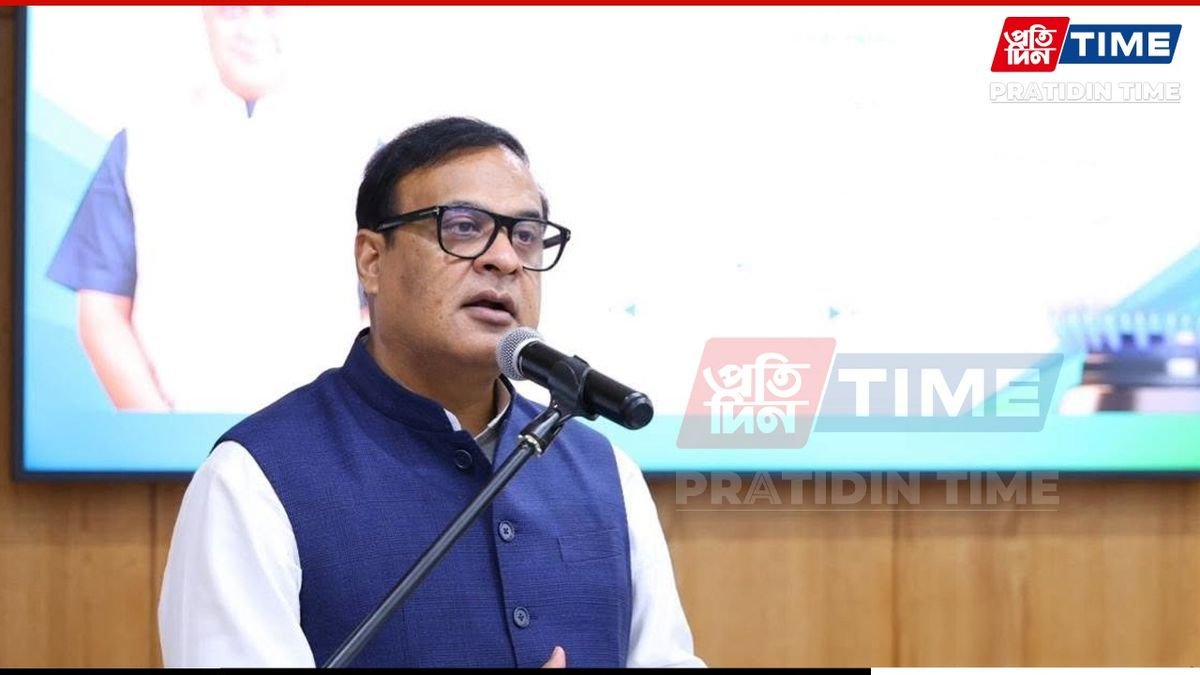
The Bodo Assembly Language issue has been clarified after Assam Chief Minister Himanta Biswa Sarma confirmed that there is no proposal to remove the Bodo language from the proceedings of the Assam Legislative Assembly. Moreover, the Chief Minister stated that reports suggesting such a move were incorrect and reaffirmed the government’s commitment to protecting the linguistic rights of all recognized communities. Consequently, the clarification aims to address public concerns and reinforce confidence in Assam’s multilingual legislative framework.
Assam Launches GST Compliance Review for State Contractors
Meghalaya Awaits Assam Border Panel Communication
Bodo Assembly Language Continues in Legislative Proceedings
The Bodo Assembly Language remains an integral part of the Assam Legislative Assembly’s multilingual functioning. Furthermore, the Chief Minister clarified that no proposal has been placed before the government or the Assembly to discontinue the use of Bodo during legislative proceedings.
Bodo is one of the officially recognized languages used in the state’s legislative and administrative framework. Consequently, its continued use reflects Assam’s commitment to linguistic diversity and inclusive governance.
Moreover, multilingual proceedings enable elected representatives to communicate effectively. Therefore, the Assembly continues to accommodate recognized languages in accordance with established rules.
Additionally, language inclusion strengthens democratic participation. Thus, legislators can engage in debates using approved languages.
Chief Minister Rejects Speculation
The Bodo Assembly Language discussion gained attention following reports claiming that the language could be removed from Assembly proceedings. Furthermore, Himanta Biswa Sarma categorically rejected these claims, stating that no such proposal exists.
The clarification was intended to prevent the spread of misinformation regarding legislative procedures. Consequently, citizens have been encouraged to rely on verified statements issued through official channels.
Moreover, timely communication helps maintain public confidence in democratic institutions. Therefore, official clarifications remain important whenever inaccurate information circulates.
Similarly, transparent governance strengthens trust between the government and the public. Additionally, factual updates contribute to informed public discourse.
Linguistic Diversity Remains a Priority
The Bodo Assembly Language issue highlights Assam’s broader commitment to preserving and promoting its linguistic and cultural diversity. Furthermore, the state recognizes multiple languages spoken by different communities, reflecting its multicultural heritage.
Language plays an important role in ensuring inclusive governance and representation. Consequently, supporting recognized languages helps strengthen democratic participation.
Moreover, preserving linguistic heritage contributes to cultural identity. Therefore, policies promoting language inclusion continue to receive attention.
Similarly, multilingual institutions encourage broader civic engagement. Additionally, respecting linguistic diversity supports social harmony across the state.
Inclusive Governance Strengthens Democratic Institutions
The Bodo Assembly Language clarification reinforces the importance of transparency and inclusiveness in legislative functioning. Furthermore, continued recognition of multiple languages enables representatives to participate effectively in Assembly debates and discussions.
Democratic institutions function more effectively when all communities receive equitable representation. Consequently, inclusive language policies contribute to stronger governance.
Moreover, open communication between the government and citizens reduces misunderstandings. Therefore, accurate public information remains essential.
Similarly, respect for cultural and linguistic diversity strengthens democratic values. Additionally, institutional transparency promotes public trust in governance.
Conclusion
The Bodo Assembly Language issue has been resolved following Chief Minister Himanta Biswa Sarma’s confirmation that there is no proposal to remove Bodo from the proceedings of the Assam Legislative Assembly. Moreover, the clarification reaffirms the state’s commitment to protecting linguistic diversity and ensuring inclusive legislative practices.
Furthermore, continued transparency, respect for recognized languages, and effective communication will remain essential for strengthening democratic institutions in Assam. Consequently, the Bodo Assembly Language clarification reinforces confidence in the state’s multilingual legislative framework.
FAQs
1. What did Himanta Biswa Sarma clarify?
The Chief Minister stated that there is no proposal to remove the Bodo language from Assam Legislative Assembly proceedings.
2. Why was the clarification issued?
It was issued to address reports and rumours suggesting that Bodo would no longer be used during Assembly proceedings.
3. Why is Bodo important in the Assembly?
Bodo is a recognized language in Assam and supports inclusive participation by elected representatives during legislative debates.
4. How does multilingual functioning benefit the Assembly?
It allows representatives from different linguistic communities to participate effectively and promotes inclusive governance.
5. Why is the Bodo Assembly Language issue significant?
It highlights Assam’s commitment to linguistic diversity, transparent governance, and the continued recognition of approved languages in legislative proceedings.