


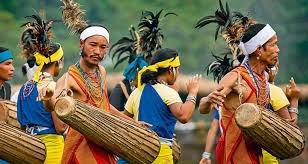
The Meghalaya Official Languages Status issue reached a historic milestone after the Governor approved an ordinance granting official recognition to Khasi and Garo alongside English. The decision strengthens cultural identity, promotes regional languages, and marks a significant step toward preserving the linguistic heritage of Meghalaya.
Shocking Corruption Probe Forest Department Uncovers ₹60 Lakh Cash Seizure
Drug Seizure Near Indo-Bangla Border in Tripura
Meghalaya Grants Official Status to Khasi and Garo
Meghalaya has taken a major cultural and administrative step by officially recognizing Khasi and Garo languages alongside English. The Governor recently gave formal assent to the ordinance, bringing long-awaited recognition to the two widely spoken indigenous languages of the state.
The decision generated strong reactions across Meghalaya, especially among cultural organizations, students, educators, and language activists. Many people welcomed the move because they believe it protects the state’s linguistic heritage and strengthens local identity.
For decades, Khasi and Garo communities demanded greater institutional recognition for their native languages. Therefore, the ordinance represents an important achievement for cultural preservation and regional representation.
Decision Reflects Meghalaya’s Cultural Diversity
Meghalaya remains one of India’s most culturally rich states with diverse tribal communities, traditions, and languages. Khasi and Garo communities form a significant part of the state’s population. As a result, official recognition of their languages carries deep social and emotional importance.
The ordinance acknowledges the importance of indigenous languages in governance, education, and communication. Moreover, the move highlights the government’s intention to preserve local traditions while supporting inclusive administration.
Supporters believe the decision will strengthen cultural confidence among younger generations. Many educators also argue that native language recognition improves learning outcomes and encourages students to remain connected with their roots.
English Continues Alongside Regional Languages
Although Khasi and Garo now hold official status, English will continue as an official language in Meghalaya. The government aims to maintain administrative efficiency while promoting regional linguistic identity simultaneously.
English already plays a major role in education, legal systems, and official communication throughout the state. Therefore, authorities do not plan to replace it completely. Instead, the ordinance creates a more balanced framework that includes both regional and widely used administrative languages.
This approach may help citizens access government services more comfortably in their native languages. Consequently, communication between authorities and local communities could improve significantly.
Language Recognition Supports Cultural Preservation
Language serves as a major part of cultural identity, especially in tribal societies with strong oral traditions and community histories. Many cultural groups feared that younger generations might gradually lose fluency in indigenous languages because of increasing dependence on English and other dominant languages.
The ordinance may help reverse that trend by encouraging wider use of Khasi and Garo in official settings, educational institutions, and public communication. Furthermore, greater institutional support can strengthen literature, media, and academic research in local languages.
Cultural activists described the decision as a victory for heritage preservation. They emphasized that language protection helps communities preserve stories, customs, folklore, and traditional knowledge systems.
Educational Impact May Be Significant
The recognition of Khasi and Garo may influence Meghalaya’s education system positively. Schools and colleges could increase the use of regional languages in teaching materials, cultural programs, and academic discussions.
Experts believe students often learn more effectively when they understand lessons in their native language. Therefore, the ordinance may improve educational engagement among children from Khasi and Garo-speaking communities.
In addition, language recognition may encourage more students to study regional literature, history, and linguistics. Universities and research institutions may also expand programs focused on indigenous cultures and languages.
Political and Social Reactions Remain Positive
Political leaders and social organizations across Meghalaya welcomed the Governor’s assent to the ordinance. Many leaders called the decision historic because it recognizes the identity and aspirations of local communities officially.
Several organizations praised the state government for taking action after years of public demand. Furthermore, language advocacy groups expressed hope that authorities would implement the ordinance effectively in administration and education.
Social media platforms also witnessed strong public support following the announcement. Citizens shared messages celebrating cultural pride and linguistic recognition throughout the state.
Administrative Changes May Follow
The ordinance may gradually influence government communication and public administration in Meghalaya. Authorities could introduce more official documents, notices, and public services in Khasi and Garo over time.
However, experts believe implementation will require careful planning, translation support, and administrative training. Government departments may need additional resources to ensure smooth integration of multiple official languages.
Despite these challenges, supporters believe the long-term benefits outweigh the difficulties. Improved accessibility and cultural representation may strengthen public trust in state institutions.
Northeast India Continues to Promote Indigenous Identity
The move in Meghalaya reflects a broader trend across Northeast India, where states increasingly promote indigenous languages, traditions, and identities. Several Northeastern communities continue to seek stronger recognition for their cultural heritage within modern governance systems.
Regional governments now place greater emphasis on preserving native traditions while supporting development and modernization. Consequently, language recognition policies continue gaining public support throughout the region.
Meghalaya’s latest decision may also encourage similar discussions in other states with strong indigenous linguistic communities.
Future of Indigenous Languages Looks Stronger
The official recognition of Khasi and Garo marks a major milestone in Meghalaya’s cultural journey. The ordinance not only strengthens linguistic identity but also sends a broader message about inclusivity and heritage preservation.
As authorities begin implementing the policy, schools, cultural organizations, and public institutions may play a crucial role in promoting regional languages effectively. Therefore, the decision could shape the cultural and educational future of Meghalaya for generations.
The ordinance also demonstrates that development and cultural preservation can move forward together. By recognizing indigenous languages officially, Meghalaya has reinforced its commitment to diversity, tradition, and regional pride.
FAQs
Which languages received official status in Meghalaya?
Khasi and Garo languages received official status alongside English in Meghalaya.
Who approved the ordinance?
The Governor of Meghalaya gave formal assent to the ordinance.
Why is this decision important?
The decision strengthens cultural identity and helps preserve indigenous languages and traditions.
Will English still remain an official language?
Yes, English will continue as an official language alongside Khasi and Garo.
How may this affect education in Meghalaya?
Schools and colleges may increase the use of Khasi and Garo in teaching, literature, and academic activities.