


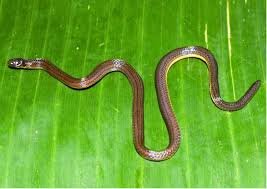
The Meghalaya New Snake Species discovery has excited the scientific community. Researchers identified Calamaria garoensis in the Garo Hills region. Moreover, this finding highlights the rich biodiversity of Northeast India. Consequently, the New Snake Species adds valuable insight to wildlife research.
Urgent Warning: Northeast Severe Weather Alert Issued for Heavy Rain and Thunderstorms
Scientists Discover New Snake Species in Meghalaya
Researchers have discovered a previously unknown snake species in the Garo Hills of Meghalaya. The New Snake Species has been named Calamaria garoensis, belonging to the burrowing reed snake group.
Furthermore, this discovery showcases the ecological richness of the region. As a result, scientists have emphasized the importance of continued exploration.
Historic Breakthrough: Mizoram Insurgency Peace Accord Ends Decades of Conflict
About Calamaria Garoensis
Calamaria garoensis belongs to a group of small, secretive snakes known for their burrowing behavior. These snakes typically live underground and remain difficult to spot.
Additionally, researchers identified unique physical and genetic traits that distinguish this species. Therefore, the Meghalaya New Snake Species stands out as a significant addition to herpetology.
Importance of the Garo Hills Ecosystem
The Garo Hills region serves as a biodiversity hotspot with dense forests and varied habitats. It supports numerous plant and animal species, many of which remain undocumented.
Moreover, the discovery of the Meghalaya New Snake Species reinforces the ecological value of this region. Consequently, conservation efforts gain even greater importance.
Role of Researchers and Field Studies
Field researchers played a crucial role in identifying the new species. They conducted detailed surveys, collected samples, and analyzed findings carefully.
In addition, scientific methods such as morphological comparison and genetic analysis confirmed the discovery. As a result, the Meghalaya New Snake Species received formal recognition.
Why This Discovery Matters
New species discoveries help scientists understand ecosystems better. They also reveal how biodiversity evolves and adapts over time.
Furthermore, the Meghalaya New Snake Species highlights the need to protect lesser-known habitats. Therefore, such findings contribute to global biodiversity knowledge.
Conservation Implications
The discovery raises awareness about conservation challenges in the region. Habitat loss and environmental changes can threaten newly identified species.
However, increased attention may lead to stronger protection measures. Consequently, the Meghalaya New Snake Species could influence conservation policies.
Global Significance of the Finding
This discovery adds to India’s reputation as a biodiversity-rich country. Scientists worldwide often study such findings to expand ecological understanding.
Moreover, the Meghalaya New Snake Species may inspire further research in similar habitats. As a result, global interest in Northeast India’s biodiversity continues to grow.
Future Research Opportunities
Researchers plan to conduct more studies in the region to identify additional species. Continued exploration may uncover further hidden biodiversity.
Additionally, advanced technologies will support deeper ecological analysis. Therefore, the Meghalaya New Snake Species marks the beginning of new research possibilities.
FAQs
1. What is the Meghalaya New Snake Species?
It refers to Calamaria garoensis, a newly discovered burrowing reed snake in Garo Hills.
2. Where was the species discovered?
Researchers found it in the Garo Hills region of Meghalaya, India.
3. Why is this discovery important?
It highlights the rich biodiversity of the region and contributes to scientific knowledge.
4. What type of snake is it?
It is a burrowing reed snake known for living underground and being rarely seen.
5. How does this impact conservation?
The discovery increases awareness and may lead to stronger efforts to protect local ecosystems.