


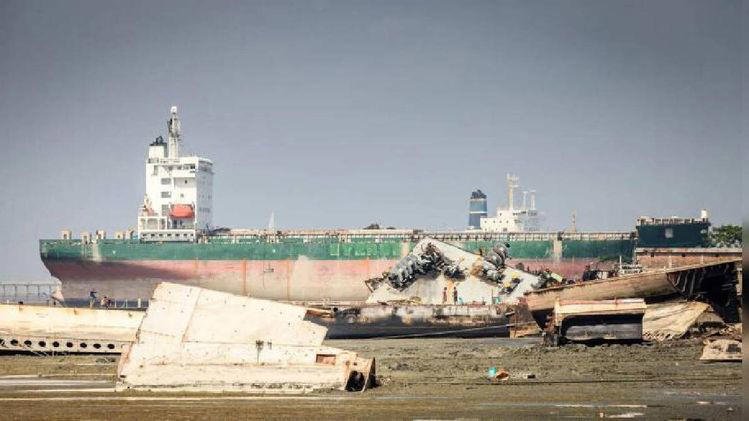
India has emerged as the world’s leading ship recycling nation in 2025, marking a significant milestone in the country’s maritime journey and reinforcing its growing influence in the global shipping industry. The achievement reflects years of sustained efforts to modernize recycling facilities, strengthen environmental compliance, improve worker safety, and align the industry with international standards.
The development is being viewed as a major boost for India’s maritime sector, which plays a crucial role in international trade, industrial growth, and economic development. By securing the top position in global ship recycling, India has demonstrated its ability to combine economic opportunity with sustainability, setting an example for responsible maritime practices worldwide.
Industry experts note that India’s rise to the leading position has been driven by improved infrastructure, regulatory reforms, and growing international confidence in the country’s ship recycling capabilities. The achievement is also expected to enhance India’s standing as a key player in the global blue economy and maritime ecosystem.
Ship Recycling: A Vital Component of the Maritime Economy
Ship recycling is an essential aspect of the global shipping industry. As vessels reach the end of their operational lifespan, they are dismantled and recycled to recover valuable materials such as steel, machinery, and other reusable components.
The process contributes significantly to resource conservation by reducing the need for new raw materials. Recycled steel from decommissioned ships supports industries ranging from construction and manufacturing to infrastructure development.
For countries involved in ship recycling, the sector generates employment opportunities, stimulates industrial activity, and contributes to economic growth. India’s leadership in this field underscores the importance of the industry within the broader maritime economy.
Alang Continues to Lead the Industry
A major factor behind India’s success is the ship recycling hub at Alang in Gujarat, which has long been recognized as one of the largest ship-breaking yards in the world. Over the years, Alang has evolved from a traditional ship dismantling center into a modern facility that increasingly adheres to global standards for environmental protection and worker welfare.
The yard has played a pivotal role in handling a large volume of end-of-life vessels arriving from different parts of the world. Investments in infrastructure upgrades, waste management systems, and safety protocols have significantly enhanced its competitiveness.
Industry observers note that Alang’s transformation has helped attract greater international business while improving confidence among ship owners seeking responsible recycling solutions.
Adoption of Global Standards
India’s emergence as the leading ship recycling nation is closely linked to its efforts to align operations with internationally recognized environmental and safety standards. Authorities have worked to strengthen regulations governing the industry and encourage facilities to upgrade their practices.
Many ship recycling yards have adopted measures aimed at minimizing environmental risks, ensuring proper handling of hazardous materials, and improving occupational safety for workers. These efforts have enhanced the reputation of Indian facilities in the global maritime community.
The emphasis on sustainable and responsible recycling practices has become increasingly important as ship owners and international stakeholders seek environmentally sound solutions for vessel disposal.
Boost to the Circular Economy
Ship recycling contributes significantly to the circular economy by enabling valuable materials to be reused rather than discarded. Steel recovered from dismantled ships is reintroduced into industrial supply chains, reducing dependence on fresh resource extraction.
Officials and industry experts have highlighted the environmental benefits of this approach. Recycling helps conserve natural resources, reduce industrial waste, and lower the carbon footprint associated with producing new materials.
India’s leadership in ship recycling therefore aligns with broader sustainability goals and supports efforts to promote resource efficiency across multiple sectors of the economy.
Employment and Economic Opportunities
The ship recycling industry provides livelihoods to thousands of workers and supports a wide network of ancillary businesses. From transportation and logistics to engineering and material processing, numerous sectors benefit from the economic activity generated by ship recycling operations.
Industry leaders point out that the sector creates opportunities for skilled, semi-skilled, and unskilled workers alike. As facilities modernize and adopt advanced technologies, demand for specialized expertise is also expected to grow.
The industry’s expansion contributes to local economic development while supporting national objectives related to employment generation and industrial growth. The achievement of becoming the world’s leading ship recycling nation is therefore expected to have positive implications for both regional and national economies.
Strengthening India’s Maritime Vision
India has been actively pursuing a comprehensive maritime development strategy aimed at enhancing port infrastructure, improving logistics efficiency, expanding shipping capabilities, and promoting sustainable maritime practices.
The country’s success in ship recycling complements these broader objectives by strengthening one of the key segments of the maritime value chain. Officials have emphasized that a robust recycling sector contributes to overall maritime competitiveness and supports long-term economic resilience.
As India seeks to position itself as a global maritime hub, achievements in areas such as ship recycling demonstrate the country’s capacity to deliver services that meet international expectations.
Growing International Recognition
India’s rise to the top position in global ship recycling has attracted attention from international maritime stakeholders. The country’s efforts to improve standards and enhance operational efficiency have been acknowledged as important factors contributing to its success.
Industry experts believe that growing international recognition will further strengthen India’s position in the global market. Increased confidence among ship owners and operators could result in a higher volume of vessels being directed to Indian recycling facilities in the coming years.
The achievement also reinforces India’s image as a responsible participant in global maritime activities, capable of balancing economic growth with environmental stewardship.
Challenges and the Road Ahead
While the achievement marks a major milestone, experts emphasize that continued progress will require sustained investment in technology, worker training, environmental management, and infrastructure development.
The industry must continue adapting to evolving international regulations and market expectations. Enhancing transparency, strengthening compliance mechanisms, and adopting innovative recycling techniques will be essential for maintaining competitiveness.
Authorities are expected to continue working with industry stakeholders to ensure that growth remains sustainable and aligned with global best practices. Ongoing modernization efforts will play a critical role in securing India’s long-term leadership in the sector.
A Landmark Achievement for India’s Maritime Sector
India’s emergence as the world’s top ship recycling nation in 2025 represents a significant accomplishment for the country’s maritime industry. The achievement reflects years of strategic reforms, infrastructure upgrades, and efforts to promote sustainable practices within the sector.
By combining economic efficiency with environmental responsibility, India has positioned itself as a global leader in ship recycling and resource recovery. The success highlights the country’s growing maritime capabilities and its commitment to advancing sustainable industrial development.
As the industry continues to evolve, India’s leadership in ship recycling is expected to contribute to economic growth, job creation, resource conservation, and international maritime cooperation. The milestone not only underscores the country’s progress but also points toward a future in which India plays an even greater role in shaping the global maritime landscape.