


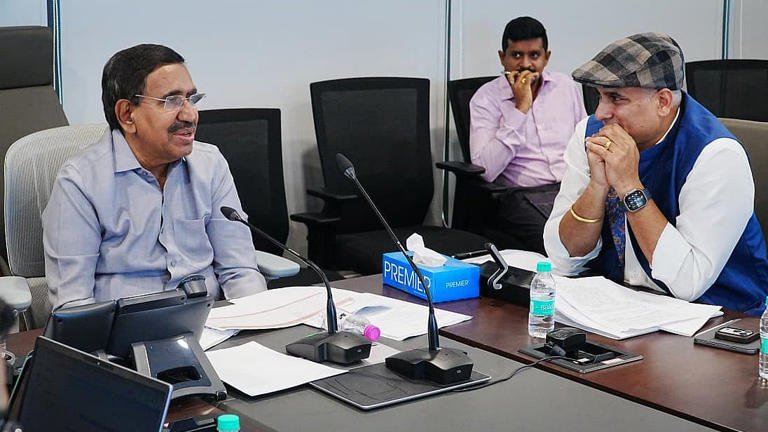
Minister Narayana has directed government officials to immediately invite tenders for pending development projects while simultaneously ensuring the prompt resolution of issues affecting farmers. During a high-level review meeting with senior officials, the minister stressed the importance of accelerating infrastructure development alongside addressing agricultural concerns to promote balanced and inclusive growth.
The meeting focused on evaluating the progress of ongoing projects, identifying implementation bottlenecks, and reviewing the status of various welfare and development initiatives. The minister emphasized that delays in project execution not only increase costs but also postpone the delivery of essential public services to citizens.
He instructed officials to maintain strict timelines, improve coordination among departments, and ensure that development projects move forward without unnecessary administrative hurdles.
Immediate Tender Process for Pending Projects
A key directive issued during the meeting was the immediate initiation of the tendering process for all approved projects that are yet to enter the execution phase. The minister stated that timely issuance of tenders is essential for ensuring that infrastructure works begin without avoidable delays.
Officials were instructed to complete all procedural formalities quickly while maintaining transparency, fairness, and compliance with government procurement guidelines.
The minister observed that efficient tender management plays a crucial role in improving project implementation, financial utilization, and public service delivery. Delays at the tender stage often affect the entire project schedule, making early action essential.
Departments were asked to closely monitor progress and submit regular updates regarding tender issuance and project commencement.
Accelerating Infrastructure Development
During the review, Minister Narayana reiterated the government’s commitment to strengthening infrastructure through timely implementation of development projects. Roads, irrigation facilities, public buildings, drainage systems, water supply infrastructure, and other civic projects were among the initiatives discussed during the meeting.
The minister instructed officials to prioritize projects that directly improve public welfare and contribute to regional economic development.
He emphasized that quality infrastructure supports industrial growth, improves connectivity, enhances public services, and creates employment opportunities for local communities.
Officials were advised to ensure that all works are executed according to approved technical standards while maintaining quality and accountability throughout the construction process.
Farmers’ Issues Receive Top Priority
Alongside infrastructure development, the minister placed significant emphasis on addressing the concerns of farmers. He instructed officials to identify pending agricultural issues and resolve them at the earliest through coordinated administrative action.
Discussions covered matters related to irrigation facilities, crop support, agricultural infrastructure, land-related issues, and the implementation of various government welfare schemes for farmers.
Minister Narayana emphasized that agriculture remains the backbone of the rural economy and that the timely resolution of farmers’ grievances is essential for ensuring stable agricultural production and improving rural livelihoods.
He directed officials to remain accessible to farmers and respond promptly to issues affecting cultivation, irrigation, and agricultural productivity.
Strengthening Coordination Among Departments
The minister highlighted the importance of effective coordination between different government departments involved in development and agricultural administration.
He observed that infrastructure projects and farmer welfare initiatives often require joint efforts by multiple departments, making regular communication and collaborative planning essential for successful implementation.
Officials were instructed to hold periodic review meetings, share progress updates, and resolve interdepartmental issues without delay.
The minister stated that better coordination would improve administrative efficiency while reducing delays in both development works and public service delivery.
A collaborative approach, he noted, is critical for achieving government targets within stipulated timelines.
Transparency and Accountability in Implementation
Minister Narayana stressed that transparency and accountability must remain central to every stage of project execution. He directed officials to strictly follow government procedures during tendering, contract management, financial utilization, and construction monitoring.
Regular inspections, progress reviews, and quality assessments were recommended to ensure that projects are completed according to approved specifications.
The minister also instructed officials to maintain accurate documentation and ensure responsible utilization of public funds.
Transparent implementation not only strengthens public confidence but also contributes to better governance and improved developmental outcomes.
Departments were encouraged to adopt digital monitoring systems wherever possible to enhance efficiency and accountability.
Focus on Timely Completion of Projects
The minister reiterated that projects should be completed within the prescribed timelines so that citizens can begin benefiting from improved infrastructure without unnecessary delays.
Officials were advised to identify potential implementation challenges in advance and adopt proactive measures to resolve them before they affect project schedules.
He warned against unnecessary administrative delays and instructed departments to closely monitor contractors’ performance to ensure adherence to agreed timelines.
Timely completion of development projects, the minister observed, contributes significantly to economic activity, employment generation, and improved public services.
Departments were also directed to regularly review physical and financial progress to maintain implementation momentum.
Government Reaffirms Commitment to Development and Farmer Welfare
Concluding the review meeting, Minister Narayana reaffirmed the government’s commitment to accelerating development while safeguarding the interests of the farming community. He stated that infrastructure expansion and agricultural welfare should progress simultaneously to ensure balanced economic growth across both urban and rural areas.
Officials were instructed to remain responsive, efficient, and transparent while implementing government programmes and addressing public concerns.
The minister expressed confidence that timely tender issuance, effective project management, and proactive resolution of farmers’ issues would significantly improve governance and developmental outcomes.
His directions reflect the government’s broader emphasis on efficient administration, faster infrastructure development, and stronger support for the agricultural sector. By ensuring that projects commence without delay and farmers’ concerns receive immediate attention, the administration aims to promote inclusive development, strengthen rural livelihoods, and improve the overall quality of public service delivery. The review meeting also reinforced the importance of accountability, coordination, and timely execution in achieving sustainable growth and meeting the developmental aspirations of the people.