


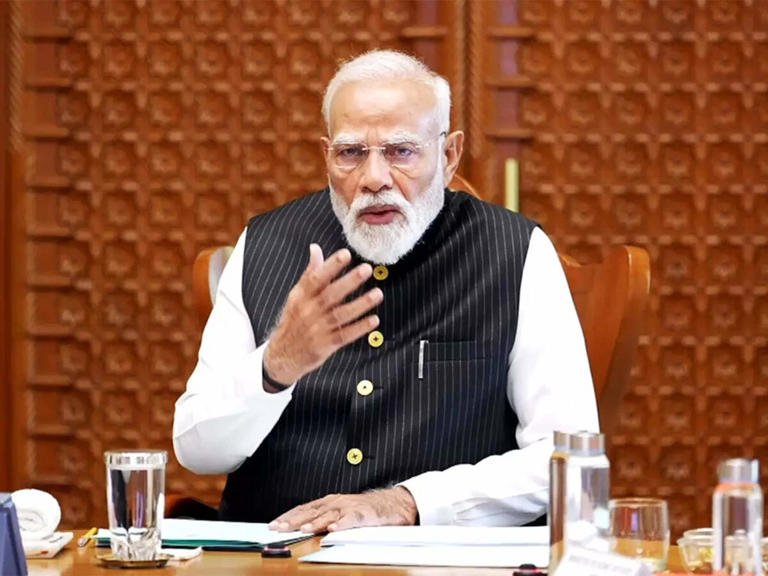
Prime Minister Narendra Modi has warned that the ongoing Iran war presents “unprecedented challenges” for India, urging the nation to remain prepared just as it did during the COVID-19 pandemic. Addressing Parliament, he highlighted the wide-ranging impact of the West Asia conflict on global stability and India’s economic and security interests.
He described the situation as “worrisome” and emphasised that the crisis could have long-term consequences. Moreover, he called for vigilance, unity, and preparedness to navigate the uncertainties ahead.
Read More: Tipra Motha leaders join BJP ahead of Tripura council polls
Comparison with Covid-19 preparedness
Drawing a direct parallel with the COVID-19 period, Modi stressed the importance of collective resilience. He reminded citizens how India managed the pandemic through unity, discipline, and coordinated action.
He stated that similar preparedness will be essential to tackle the evolving global crisis. Furthermore, he urged governments, institutions, and citizens to stay alert and proactive.
According to him, crises often bring unforeseen challenges. Therefore, adopting a mindset of readiness, as seen during Covid, will help India respond effectively.
Impact on economy and energy security
The Prime Minister highlighted that the Iran war impact on India could be significant, particularly in terms of energy security. A major concern remains the Strait of Hormuz, a critical route through which a large portion of India’s crude oil imports pass.
Disruptions in this region could affect fuel supply, shipping routes, and overall economic stability. Moreover, global market volatility has already started influencing sectors such as trade and investment.
However, Modi reassured that India has taken steps to secure energy supplies. He noted that petroleum reserves remain adequate and additional storage capacity is under development.
Concerns over Indians in West Asia
Another major concern raised by the Prime Minister involves the safety of Indian citizens in the region. Millions of Indians live and work in West Asia, making the conflict a matter of direct national interest.
He stated that the government is closely monitoring the situation and remains prepared to assist citizens if required. Moreover, Indian missions in the region are actively providing support and guidance.
Therefore, ensuring the safety and well-being of Indians abroad remains a top priority.
Warning against hoarding and black marketing
Modi also cautioned against hoarding and black marketing, drawing lessons from the COVID-19 period. He noted that such practices tend to increase during crises and can worsen public hardship.
He urged state governments and authorities to remain vigilant and take strict action against such activities. Furthermore, he called for cooperation among political parties to prevent exploitation of the situation.
This emphasis reflects the government’s focus on maintaining stability and preventing panic.
Government steps to mitigate impact
The Prime Minister outlined several measures taken by the government to minimise the impact of the crisis. These include diversifying energy sources, strengthening supply chains, and ensuring adequate availability of essential commodities.
In addition, authorities have placed security and law enforcement agencies on high alert. This step aims to address both internal and external challenges arising from the situation.
Moreover, the government continues to engage diplomatically with global partners. India has consistently called for de-escalation and peaceful resolution of the conflict.
Political reactions and calls for debate
The Iran war has also sparked political reactions within India. Opposition leaders have called for detailed discussions in Parliament, emphasising the need for transparency and preparedness.
They have raised concerns about the potential economic and social impact of the conflict. At the same time, they have urged the government to ensure effective management of the situation.
As a result, the issue has become a significant topic in national political discourse.
Broader global implications
The Prime Minister highlighted that the conflict extends beyond regional boundaries. It has already affected global supply chains, trade routes, and energy markets.
Moreover, disruptions in shipping lanes and rising geopolitical tensions could have cascading effects on multiple economies. Therefore, India must remain cautious and adaptive.
Modi stressed that maintaining open shipping routes remains crucial for global stability. He also reiterated India’s commitment to peace and dialogue.
Need for unity and resilience
A key message from Modi’s address was the importance of unity. He emphasised that India’s strength lies in its collective response to challenges.
He urged citizens to remain calm, disciplined, and supportive of each other. Furthermore, he highlighted that resilience and cooperation helped the country overcome the pandemic.
Therefore, adopting a similar approach will be essential in dealing with the current crisis.
Conclusion
Prime Minister Narendra Modi’s warning about the Iran war underscores the seriousness of the situation for India. By comparing it to the COVID-19 pandemic, he has highlighted the need for preparedness, unity, and resilience.
While the government has taken steps to mitigate risks, the evolving nature of the conflict requires continuous vigilance. Ultimately, India’s response will depend on coordinated efforts across all levels.
As global uncertainties persist, the focus will remain on safeguarding economic stability, ensuring energy security, and protecting citizens both at home and abroad.
Read More: Manipur firing incidents leave woman, CAPF personnel injured