


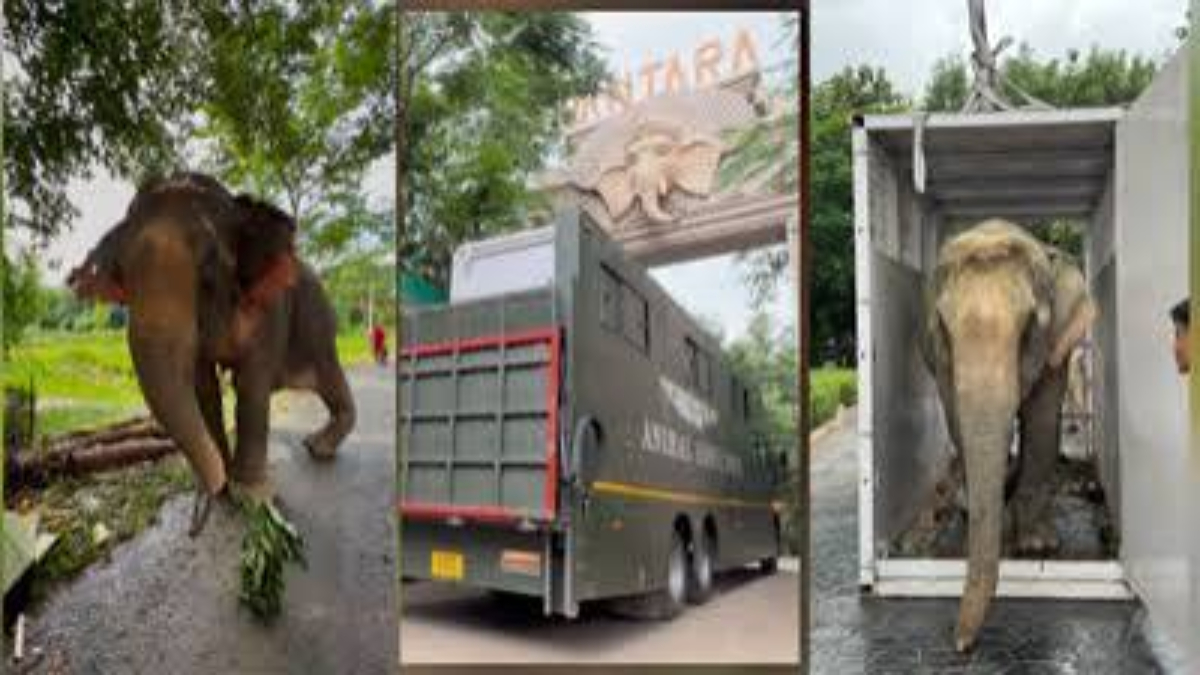
Joymoti elephant has been airlifted to Vantara in Jamnagar, Gujarat, for specialised veterinary treatment after surviving devastating floods in Nagaland and Assam in July. The 53-year-old female elephant sustained multiple serious injuries during the ordeal and is now receiving specialised care at the animal hospital. The transfer was carried out with her medical condition, age and welfare in mind.
Joymoti elephant survives devastating floods
Joymoti was swept away by powerful floodwaters in Nagaland during the second week of July. She was later rescued with the help of local communities and government agencies. The rescue came after the elderly elephant suffered several injuries while battling the floodwaters.
According to reports, Joymoti suffered wounds to her forehead, right ear, the area above her tail, left inner thigh and abdomen. She also developed a deep, maggot-infested wound around her external genital area. Her right eye was severely damaged, leaving her blind on that side and causing persistent tearing.
The elephant also had an existing mobility problem. She has longstanding lameness in her left hind leg following a fracture sustained during logging. The old injury already affected her ability to walk normally and made it difficult for her to reach food and water.
Multiple injuries required specialised care
Following her rescue, Joymoti received first aid and primary veterinary treatment locally. This included wound dressing, pain medication, multivitamin and mineral supplements, along with other supportive care.
However, the combination of her advanced age, multiple wounds, eye injury and existing mobility problem meant that local treatment was not considered sufficient for her long-term medical needs.
Her transfer to Vantara was therefore arranged to provide access to specialised veterinary facilities and comprehensive treatment. Upon arrival, the Joymoti elephant underwent veterinary assessment and was placed under specialised care for her injuries and other health complications.
Why the Joymoti elephant was airlifted
The decision to transport Joymoti by air was primarily based on her medical condition. A prolonged journey by road could have placed additional physical strain on an animal already suffering from serious wounds and limited mobility.
Air transport allowed her to reach the specialised facility in a shorter period while reducing the physical demands associated with long-distance ground travel. The operation required detailed coordination among veterinary, animal-care and logistics teams.
Reports have described the airlift as a first-of-its-kind undertaking in India for an elephant requiring intensive medical treatment. Special protocols were followed for her handling, loading, monitoring and arrival at the hospital.
Vantara begins specialised treatment
Joymoti has now reached Vantara in Jamnagar and is receiving veterinary treatment. The immediate focus is on addressing her injuries, managing the condition of her damaged right eye and providing appropriate nutritional and supportive care.
Her treatment is particularly important because recovery may take time for an elderly elephant dealing with several health complications at once. Veterinary specialists will assess her condition and determine the treatment and rehabilitation required as she progresses.
Officials and animal-care teams have stressed that the transfer is for medical treatment. It is not intended as a permanent relocation of the elephant. Once she has recovered and is considered medically fit, the plan is for her to return to her natural habitat.
Assam may get new wildlife care centres
Joymoti’s case has also highlighted the importance of specialised wildlife healthcare infrastructure in the Northeast, where elephants and other wild animals face risks from floods, habitat pressures and human-wildlife conflict.
Vantara has proposed three wildlife veterinary care centres in Assam, including a dedicated elephant facility. The proposed centres are intended to strengthen species-specific veterinary services closer to wildlife habitats.
According to reports, the proposed facilities would operate independently under the Assam Forest Department. Such infrastructure could allow injured wildlife to receive advanced treatment closer to their home regions and potentially reduce the need for long-distance transfers.
A wider lesson from Joymoti’s rescue
The story of the Joymoti elephant highlights the challenges faced by wildlife during extreme natural disasters. Floods can quickly destroy habitats, separate animals from safe areas and leave injured wildlife dependent on emergency intervention.
Her rescue also demonstrates the importance of cooperation between local communities, government agencies, forest personnel and veterinary teams. In Joymoti’s case, that initial intervention provided a crucial bridge between surviving the floods and receiving advanced medical treatment.
For now, Joymoti remains under specialised veterinary care at Vantara. Her recovery will depend on how she responds to treatment, wound management, nutrition and rehabilitation. The successful airlift has given the 53-year-old elephant access to advanced care after a traumatic flood ordeal, while her case continues to draw attention to the need for stronger wildlife emergency response systems in flood-prone regions.
Mizoram Achieves Historic Cardiac Breakthrough With First Open-Heart Surgery