


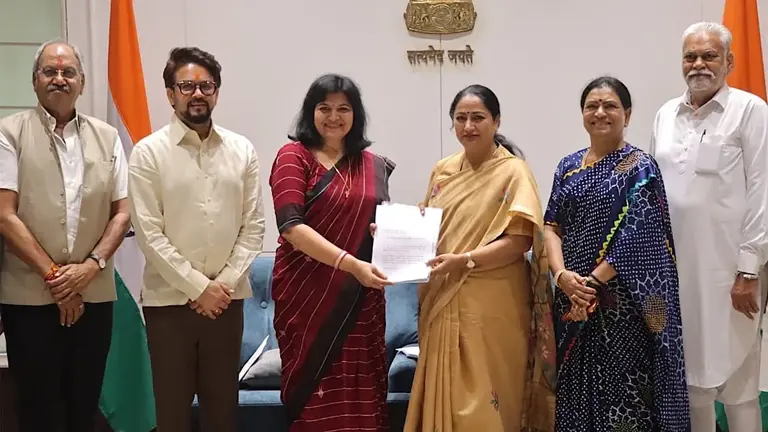
The Joint Parliamentary Committee (JPC) held a significant meeting with the Chief Minister of Delhi and presented copies of three amendment bills as part of its ongoing consultations with stakeholders on proposed legislative reforms. The interaction forms part of a broader effort to gather views, promote dialogue, and ensure comprehensive discussions on the proposed amendments before further parliamentary consideration.
The meeting provided an opportunity for the committee and the Delhi government to exchange perspectives on issues related to governance, administration, and legislative implementation. Officials described the engagement as an important step in strengthening cooperation between parliamentary institutions and state-level administrations.
The JPC has been conducting consultations with various stakeholders, including government representatives, experts, organizations, and public institutions. These interactions aim to ensure that diverse viewpoints are taken into account during the legislative review process.
The presentation of the amendment bills to the Delhi Chief Minister reflects the committee’s commitment to transparency, consultation, and inclusive policymaking.
Purpose of the JPC Consultation
Joint Parliamentary Committees play an important role in examining legislative proposals and facilitating detailed discussions on matters of public importance. Through consultations and stakeholder engagement, committees seek to develop a deeper understanding of issues associated with proposed laws and amendments.
Officials noted that legislative reforms often have wide-ranging implications. Therefore, obtaining feedback from different stakeholders remains an essential part of the review process.
The meeting with the Delhi Chief Minister was intended to provide information about the proposed amendments while also creating an opportunity for meaningful dialogue. Such consultations help identify practical considerations that may influence implementation and effectiveness.
The committee believes that broader participation strengthens the legislative process and contributes to more informed decision-making. As a result, stakeholder interactions remain a key component of the committee’s work.
The consultation process also reinforces democratic principles by encouraging dialogue between elected representatives and government institutions.
Copies of Three Amendment Bills Presented
During the meeting, the JPC formally presented copies of three amendment bills to the Chief Minister. The documents were shared to facilitate detailed examination and encourage informed discussion regarding the proposed legislative changes.
Officials stated that providing copies of the bills allows stakeholders to study the provisions carefully and offer constructive feedback. Such an approach supports transparency and enables participants to engage more effectively in the consultation process.
The amendment bills under consideration address specific policy and administrative issues that have attracted public and institutional interest. While discussions continue regarding their provisions, the committee has emphasized the importance of obtaining diverse perspectives before final recommendations are made.
The presentation of the documents symbolizes the committee’s intention to maintain an open and participatory approach throughout the review process.
Stakeholders are expected to examine the proposals and contribute their views through appropriate channels.
Importance of Stakeholder Participation
The meeting underscored the growing importance of stakeholder participation in legislative processes. Modern governance increasingly recognizes the value of consulting those who may be affected by proposed legal and policy changes.
Officials noted that stakeholder engagement helps identify practical challenges and opportunities associated with implementation. It also allows policymakers to benefit from local knowledge, administrative experience, and sector-specific expertise.
The Delhi government’s participation in the consultation process reflects the role state and local administrations play in implementing laws and public policies. Their perspectives can provide valuable insights into administrative realities and governance requirements.
The JPC emphasized that effective legislation often emerges from dialogue and collaboration rather than isolated decision-making. Therefore, consultations remain central to the committee’s work.
Such engagement also helps build public confidence in legislative institutions and democratic processes.
Focus on Inclusive Legislative Review
The committee’s ongoing outreach efforts highlight a commitment to inclusive legislative review. By engaging with multiple stakeholders, the JPC seeks to ensure that different viewpoints are considered before final decisions are taken.
Officials believe that inclusive consultations contribute to more balanced and effective policy outcomes. Diverse perspectives often reveal issues that might otherwise remain overlooked during legislative drafting and review.
The meeting with the Delhi Chief Minister forms part of a wider consultation exercise involving government bodies, subject experts, civil society organizations, and other interested parties.
The committee has reiterated that its objective is to facilitate informed discussions rather than rush the review process. Careful examination and broad participation remain key priorities.
Through such efforts, the JPC aims to strengthen the quality and credibility of legislative recommendations.
Delhi Government’s Role in Policy Discussions
As the national capital’s administration, the Delhi government plays an important role in governance and public service delivery. Its experience in implementing policies across various sectors provides valuable practical insights during legislative consultations.
Officials noted that state governments often encounter operational challenges and opportunities that can inform policy development. Therefore, their participation in discussions regarding legislative amendments remains highly relevant.
The meeting allowed the Delhi Chief Minister and senior officials to review the proposed bills and exchange views with committee members. Such interactions contribute to a better understanding of how legislative changes may affect governance frameworks.
The JPC welcomed the opportunity to engage directly with the Delhi administration and gather feedback on issues of mutual interest.
The consultation process reflects the importance of cooperation between different levels of government in shaping effective public policy.
Strengthening Democratic Institutions
The interaction between the JPC and the Delhi government also highlights the functioning of democratic institutions within India’s parliamentary system. Committees play an important role in scrutinizing legislation and promoting informed debate.
Through consultations and stakeholder engagement, parliamentary committees help strengthen accountability, transparency, and public participation. These processes contribute to more effective governance and better policymaking outcomes.
Officials emphasized that democratic institutions function most effectively when they encourage dialogue and collaboration. Meetings such as this one provide platforms for exchanging ideas and addressing concerns constructively.
The committee’s efforts reflect broader principles of participatory governance, where institutions seek input from a wide range of stakeholders before finalizing recommendations.
Such practices help ensure that legislative reforms are informed by practical realities and diverse perspectives.
Transparency and Public Confidence
Transparency remains a central theme in legislative review processes. The decision to share amendment bills and engage directly with stakeholders demonstrates the committee’s commitment to openness and accountability.
Officials believe that transparent procedures strengthen public confidence in democratic institutions. When stakeholders have opportunities to review proposals and provide feedback, they are more likely to trust the legislative process.
The JPC has consistently emphasized the importance of maintaining open communication throughout its review activities. Providing access to information and encouraging dialogue contribute to this objective.
The meeting with the Delhi Chief Minister reflects these principles by promoting informed engagement and collaborative discussion.
Transparency also helps ensure that legislative proposals receive thorough examination before being finalized.
Legislative Reforms and Future Deliberations
The three amendment bills presented during the meeting are expected to undergo further examination and discussion as the review process continues. Stakeholder feedback will likely play an important role in shaping future deliberations.
Officials noted that legislative reform is often an evolving process requiring careful consideration of legal, administrative, and social factors. Consultations help identify areas where refinements or clarifications may be necessary.
The committee remains committed to conducting a comprehensive review and ensuring that recommendations reflect informed analysis. Additional meetings and consultations may take place as part of this ongoing effort.
The process demonstrates the importance of deliberation and evidence-based decision-making in legislative affairs.
Stakeholders across different sectors are expected to continue contributing their views as discussions progress.
Commitment to Collaborative Policymaking
The meeting between the Joint Parliamentary Committee and the Delhi Chief Minister represents another step in India’s tradition of collaborative policymaking and democratic consultation. By presenting copies of three amendment bills and engaging in dialogue, the committee reinforced its commitment to transparency, participation, and informed legislative review.
The interaction highlighted the value of stakeholder engagement in shaping effective laws and policies. It also underscored the importance of cooperation between parliamentary institutions and government administrations.
As the consultation process moves forward, the committee will continue examining feedback and perspectives from various stakeholders. These efforts aim to ensure that legislative reforms are carefully evaluated and aligned with broader public interests.
The meeting serves as an example of how democratic institutions can work together to strengthen governance, improve policymaking, and promote meaningful participation in the legislative process. Through continued dialogue and collaboration, the review of the amendment bills is expected to contribute to a more informed and inclusive decision-making framework.