


Kamjong Attack Memo Raises fresh political and security concerns in Manipur after several Naga organizations described recent incidents in Kamjong district as “external aggression” in a memorandum submitted to Prime Minister Narendra Modi on 11 May. The memorandum highlighted growing tensions in the region and urged immediate intervention from the central government to restore peace and security.
Smuggler Incident Triggers Border Security Debate
Operation Sindoor Anniversary Marks Youth Outreach
Naga Bodies Submit Memorandum to Prime Minister
Representatives from prominent Naga organizations submitted the memorandum to the Prime Minister outlining their concerns regarding recent attacks reported in Kamjong district. The groups claimed that the incidents reflected serious security threats affecting local communities and regional stability.
According to the memorandum, the organizations used the term “external aggression” to describe the attacks and appealed for stronger security measures in vulnerable areas. They also requested immediate attention to the protection of civilians and prevention of further violence.
Meanwhile, officials from the concerned organizations stressed the importance of peaceful dialogue and long-term conflict resolution mechanisms. They urged authorities to ensure law and order while preventing escalation in sensitive border and tribal regions.
Security Concerns Intensify in Kamjong
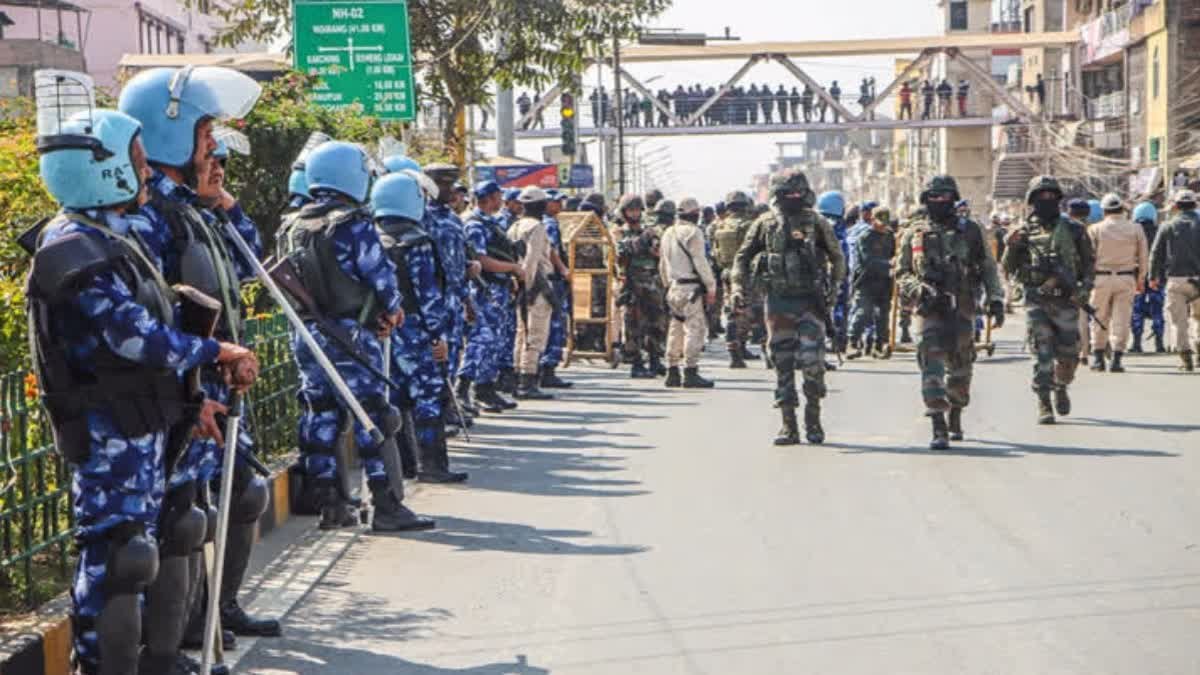
The incidents in Kamjong have drawn wider political and public attention because the district has experienced periodic tensions linked to ethnic and regional disputes. Security agencies reportedly increased monitoring in sensitive locations following reports of recent violence.
Kamjong Attack Memo Raises debate over the terminology used by the Naga bodies because political observers noted that such language could influence broader discussions regarding regional security and administrative response.
At the same time, local residents expressed concerns regarding safety, mobility, and access to essential services. Community leaders emphasized the need for calm while encouraging authorities to maintain peace through coordinated action.
Central Government Expected to Review Concerns
Political analysts believe the memorandum may prompt further discussions between the central government, state authorities, and tribal organizations. Officials in Government of India are expected to review the claims and security concerns raised in the document.
Experts stated that the central government may seek detailed reports from state authorities and security agencies regarding the incidents mentioned in the memorandum. Additional security reviews could also be considered depending on the evolving situation in the district.
Furthermore, policy observers noted that maintaining dialogue with community organizations remains essential for preventing further tensions and restoring public confidence in affected regions.
Regional Tensions Continue to Influence Politics
The latest development comes amid continuing political and ethnic tensions in parts of Manipur. Several civil society groups have repeatedly called for peaceful engagement, rehabilitation support, and confidence-building measures across communities.
Kamjong Attack Memo Raises additional concern because security-related developments in northeastern states often carry wider political and social implications. Analysts believe that careful administrative handling will be necessary to prevent further polarization.
Meanwhile, regional organizations and tribal bodies continue advocating for stronger constitutional protections, community rights, and improved security arrangements in sensitive districts.
Calls for Peaceful Resolution Grow
Civil society organizations and local leaders have appealed for restraint following the recent incidents. Community representatives encouraged all sides to avoid inflammatory actions and support peaceful conflict resolution processes.
Security experts also highlighted the importance of intelligence coordination and local engagement to prevent misinformation and escalation. Several observers stressed that transparent communication from authorities could help reduce uncertainty among residents.
In addition, humanitarian groups emphasized the need to ensure uninterrupted access to healthcare, education, and public services for communities affected by instability in remote areas.
Public Attention on Northeast Security Issues
The memorandum submitted on 11 May generated significant discussion across political circles and social media platforms. Many users debated the implications of the terminology used in the document, while others focused on the broader security situation in northeastern India.
Government officials have not yet released detailed public comments regarding the memorandum. However, analysts expect further administrative consultations in the coming days as authorities review the concerns raised by the organizations.
Conclusion
The memorandum submitted by Naga organizations regarding the recent incidents in Kamjong has intensified attention on security and political developments in the region. By describing the attacks as “external aggression,” the groups have urged the central government to take immediate action to ensure peace and civilian safety. As discussions continue, authorities and community leaders are expected to focus on dialogue, security coordination, and long-term stability in the sensitive northeastern district.
FAQs
1. What did the Naga bodies describe in their memorandum?
The organizations described the recent attacks in Kamjong as “external aggression.”
2. To whom was the memorandum submitted?
The memorandum was submitted to Prime Minister Narendra Modi.
3. When was the memorandum submitted?
The document was submitted on 11 May.
4. Where is Kamjong located?
Kamjong is a district in the northeastern state of Manipur.
5. What concerns were raised by the organizations?
The groups raised concerns regarding civilian safety, regional stability, and security threats.
6. What actions are expected from authorities?
Authorities may review security arrangements, seek reports from agencies, and continue dialogue with community organizations.