


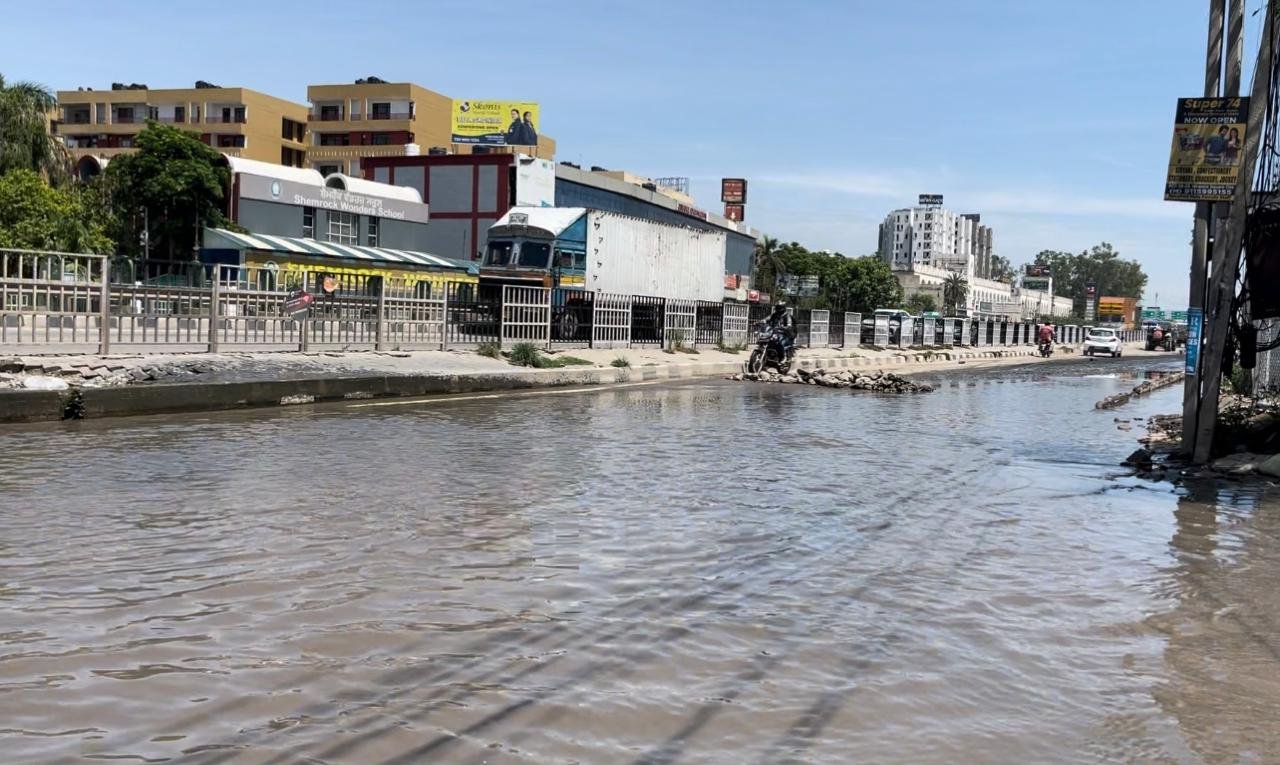
The Kashipur waterlogging protest issue escalated after frustrated residents staged demonstrations against continuous flooding and poor drainage conditions in the locality. Protesters gathered on major roads in Kashipur and demanded immediate civic intervention to address recurring water accumulation problems that have disrupted daily life during the ongoing monsoon season. Residents alleged that inadequate drainage maintenance and delayed civic repairs worsened the situation after recent heavy rainfall. The protest caused temporary traffic disruption as demonstrators blocked sections of the road and raised slogans demanding faster action from local authorities and municipal agencies.
Tripura Lightning Deaths Trigger Weather Concern
West Bengal Tripura Rain Alert Intensifies
Residents Protest Civic Inaction
Large numbers of residents assembled in affected parts of Kashipur to highlight the worsening waterlogging situation in residential and market areas. The Kashipur waterlogging protest issue gained attention after demonstrators accused civic bodies of failing to clear blocked drains and improve drainage infrastructure despite repeated complaints.
Residents said stagnant water entered homes, damaged roads, and disrupted normal movement across several neighbourhoods. Many protesters also complained about rising mosquito-related concerns and unhygienic conditions caused by prolonged water accumulation. According to local residents, school students, office workers, shopkeepers, and elderly citizens faced severe inconvenience during the recent spell of heavy rainfall.
Demonstrators carried placards and demanded urgent drainage repairs, desilting work, and improved flood management measures. Protesters also urged authorities to create long-term infrastructure solutions instead of temporary responses during every monsoon season.
Traffic Movement Faces Temporary Disruption
The protest briefly affected traffic movement in parts of Kashipur as residents occupied sections of important roads to draw attention to the civic issue. The Kashipur waterlogging protest issue prompted local police and administrative officials to reach the area and hold discussions with demonstrators.
Police personnel later managed traffic diversions and attempted to ease congestion in nearby areas. Officials also appealed to residents to maintain peaceful demonstrations while authorities reviewed the complaints. Although the protest remained largely non-violent, commuters experienced delays because of road blockages and heavy congestion during peak hours.
Local business owners in the area also expressed concern over repeated flooding and traffic disruption during monsoon periods. Shopkeepers claimed that waterlogging often reduces customer movement and damages goods in low-lying commercial areas.
Residents Demand Permanent Drainage Solution
Residents stated that waterlogging has become a recurring problem in Kashipur during every monsoon season. The Kashipur waterlogging protest issue has therefore increased pressure on civic authorities to introduce permanent drainage improvements and faster maintenance systems.
Many locals blamed clogged drains, poor waste disposal practices, and inadequate stormwater infrastructure for the worsening flooding situation. Protesters argued that authorities often conduct temporary cleaning operations after heavy rainfall instead of implementing long-term preventive measures.
Community representatives also demanded regular inspection of drainage networks and faster completion of pending civic projects in vulnerable areas. Some residents warned that continuous neglect could create health risks because stagnant water encourages mosquito breeding and sanitation problems.
Several protesters called for direct meetings with municipal officials and engineers to discuss infrastructure gaps and future planning for flood management in the locality.
Civic Authorities Respond to Complaints
Following the protest, civic authorities reportedly assured residents that officials would inspect the affected areas and begin necessary drainage-related work. The Kashipur waterlogging protest issue also prompted local administrative teams to assess blocked drains and damaged sections of roads in the locality.
Officials stated that heavy rainfall in recent days increased pressure on drainage systems in several low-lying regions. However, authorities also acknowledged the need for faster maintenance and improved civic response mechanisms during monsoon conditions.
Municipal representatives reportedly informed residents that drainage cleaning drives and repair activities would continue in the affected areas. Authorities also urged citizens to avoid dumping waste into drains because such practices often contribute to severe waterlogging during heavy rainfall.
Despite the assurances, several residents demanded strict timelines for the proposed work and stronger accountability from civic agencies.
Monsoon Challenges Continue Across Urban Areas
Urban flooding and drainage-related problems continue to affect multiple towns and cities during the active monsoon season. The Kashipur waterlogging protest issue reflects broader concerns regarding civic infrastructure preparedness and flood management across densely populated areas.
Experts noted that rapid urbanisation, poor drainage planning, and inadequate waste management often worsen waterlogging problems during periods of intense rainfall. As a result, civic authorities in many regions face increasing public pressure to modernise drainage infrastructure and strengthen emergency response systems.
Environmental analysts also stressed the importance of sustainable urban planning, regular desilting operations, and improved rainwater management policies to reduce future flooding risks. They believe cities and towns need long-term infrastructure investment instead of temporary seasonal measures.
Meanwhile, residents in several flood-prone areas continue demanding faster civic responses and better coordination between municipal bodies and disaster management agencies during heavy rain periods.
Conclusion
The protest staged by Kashipur residents has drawn significant attention to the ongoing drainage and flooding challenges affecting the locality during the monsoon season. The Kashipur waterlogging protest issue highlights growing public frustration over recurring civic problems and delayed infrastructure solutions. As authorities begin inspections and promise corrective measures, residents continue to demand permanent drainage improvements and stronger civic accountability to prevent similar disruptions in the future.
FAQs
Why did residents protest in Kashipur?
Residents protested against continuous waterlogging and poor drainage conditions in the area.
What problems did waterlogging cause?
The flooding disrupted traffic, affected homes and shops, and created sanitation concerns.
Did the protest affect traffic movement?
Yes, the protest temporarily disrupted traffic in several parts of Kashipur.
Why is the Kashipur waterlogging protest issue important?
The Kashipur waterlogging protest issue highlights recurring civic infrastructure and drainage failures.
What action have authorities promised?
Officials assured residents that drainage inspections and repair work would begin soon.
What causes repeated waterlogging in urban areas?
Experts blame clogged drains, poor infrastructure planning, and inadequate waste management systems.