


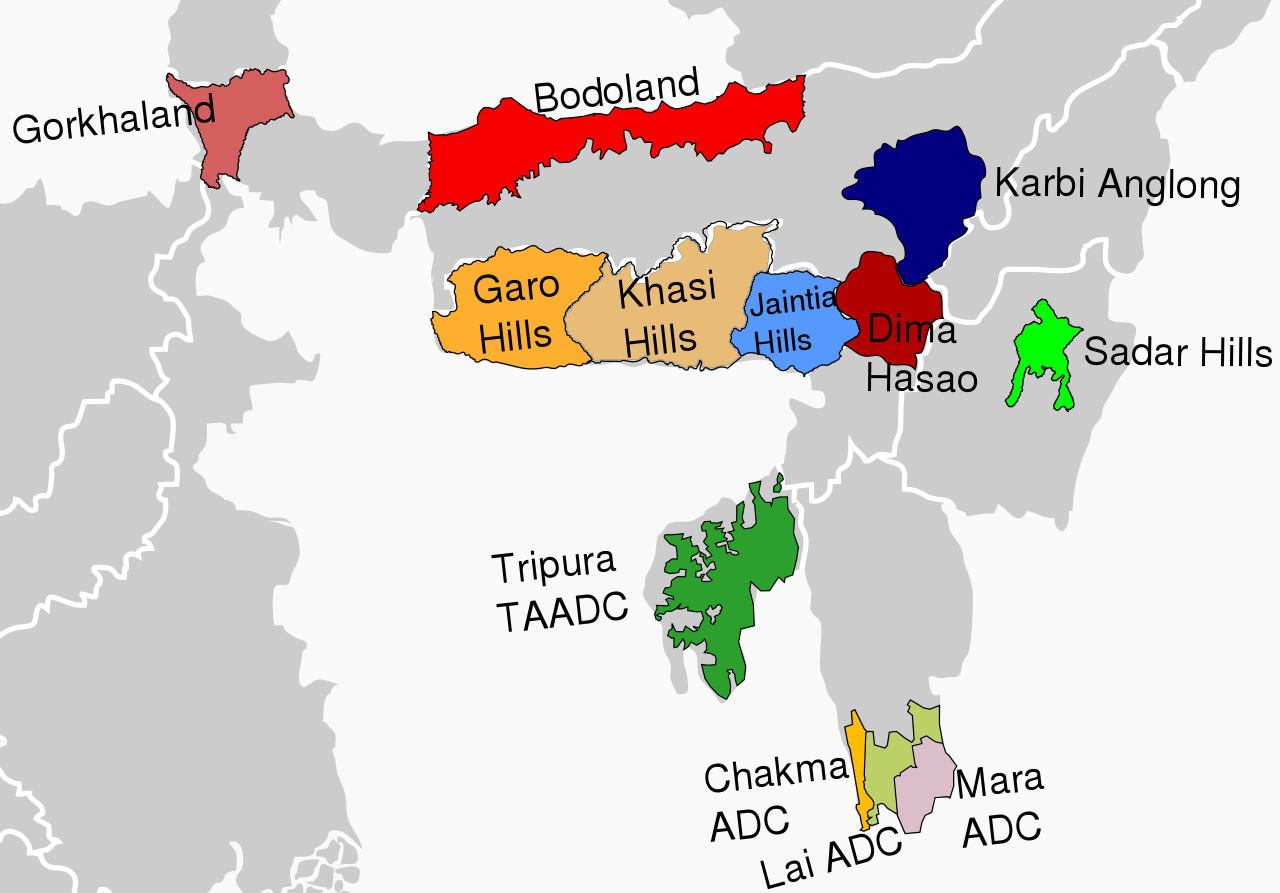
The KHADC Boundary Jurisdiction Review began on July 9 as the Khasi Hills Autonomous District Council (KHADC) initiated a legal examination of boundary jurisdiction matters linked to the Assam-Meghalaya pact. The review aims to assess legal and administrative aspects surrounding territorial responsibilities and governance arrangements.
The KHADC Boundary Jurisdiction Review started after the Khasi Hills Autonomous District Council (KHADC) initiated a legal review on July 9 concerning boundary jurisdictions under the Assam-Meghalaya pact. The exercise focuses on examining legal provisions, administrative responsibilities, and jurisdiction-related matters connected with the agreement.
Moreover, boundary-related issues between neighboring states require careful legal and administrative consideration because they involve governance responsibilities and territorial arrangements. Therefore, the KHADC review represents an institutional effort to study the implications of existing agreements and jurisdiction frameworks.
The review comes as regional authorities continue addressing matters connected with Assam-Meghalaya boundary management through established dialogue and administrative mechanisms.
Meghalaya BJP Coalition Strategy Signals Move Toward Independent Political Position
KHADC Boundary Jurisdiction Review Begins
The KHADC Boundary Jurisdiction Review was initiated by the Khasi Hills Autonomous District Council to examine jurisdictional issues arising from the Assam-Meghalaya pact.
Furthermore, the council’s legal assessment is expected to focus on relevant provisions, administrative concerns, and the implications for areas under its jurisdiction. Consequently, the review may help the council develop a clearer understanding of legal positions related to boundary matters.
The available information does not specify the legal experts involved, the duration of the review, or any recommendations issued so far.
Assam-Meghalaya Pact Remains Focus of Examination
The KHADC Boundary Jurisdiction Review centers on aspects of the Assam-Meghalaya pact and its impact on boundary jurisdictions. Moreover, agreements involving inter-state boundaries often require detailed examination to ensure clarity regarding administrative authority and implementation.
Similarly, autonomous district councils play an important role in representing local governance interests within their constitutional framework. Therefore, legal reviews help institutions evaluate how agreements may affect administrative responsibilities.
Meanwhile, discussions between states and relevant authorities continue through official channels.
Legal Assessment Supports Administrative Clarity
The KHADC Boundary Jurisdiction Review highlights the importance of legal evaluation in resolving complex jurisdiction matters. Furthermore, examining agreements through legal and administrative perspectives can help identify areas requiring clarification.
A structured review allows institutions to assess existing provisions and understand potential implications for governance. Consequently, such evaluations can contribute to informed decision-making.
However, initiating a legal review does not automatically indicate a dispute or disagreement. Instead, it represents a procedural step for examining relevant issues.
KHADC Boundary Jurisdiction Review Reflects Local Governance Concerns
The KHADC Boundary Jurisdiction Review demonstrates the role of autonomous councils in addressing matters that affect local administrative interests. Similarly, regional institutions often analyze agreements and policies that influence communities under their jurisdiction.
Moreover, legal reviews can provide councils with documented assessments before they participate in broader discussions. Therefore, the process may support constructive engagement among stakeholders.
As the review progresses, further developments will depend on the council’s findings and responses from other concerned authorities.
Conclusion
The KHADC Boundary Jurisdiction Review represents an important administrative step after the Khasi Hills Autonomous District Council began examining boundary jurisdiction issues connected with the Assam-Meghalaya pact. The review focuses on understanding legal and governance implications rather than announcing any immediate changes.
Moreover, careful legal assessment can help institutions develop informed positions on complex inter-state matters. Boundary issues require cooperation, consultation, and adherence to established legal frameworks.
Overall, the KHADC Boundary Jurisdiction Review highlights the importance of institutional examination in managing boundary-related governance questions. Future developments will depend on the findings of the legal review and subsequent discussions among relevant stakeholders.
FAQs
1. What is the KHADC Boundary Jurisdiction Review?
The KHADC Boundary Jurisdiction Review is a legal examination initiated by the Khasi Hills Autonomous District Council regarding boundary jurisdiction matters under the Assam-Meghalaya pact.
2. When did KHADC start the legal review?
KHADC initiated the review on July 9.
3. Why is KHADC examining the Assam-Meghalaya pact?
The review aims to understand legal and administrative aspects related to boundary jurisdictions and governance responsibilities.
4. Does the review change existing boundaries?
No. A legal review only examines issues and does not itself alter territorial boundaries or jurisdiction.
5. What happens after the legal review?
The council may consider the findings and decide future steps based on the assessment and discussions with relevant authorities.