


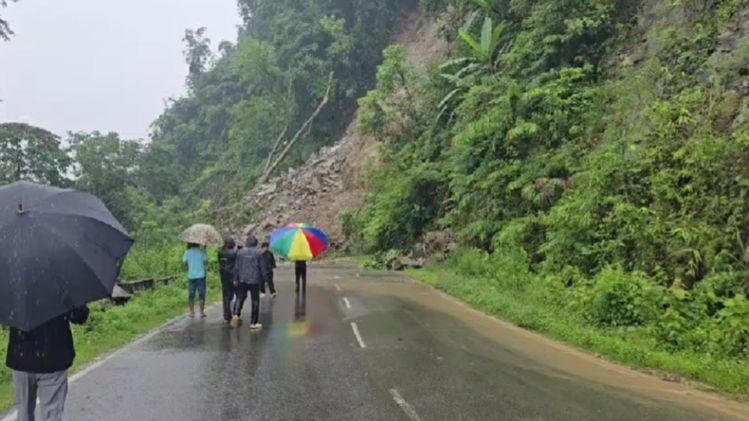
Several key highway stretches in Arunachal Pradesh have been disrupted following a series of landslides triggered by persistent heavy rainfall, prompting authorities to issue a travel advisory for commuters and tourists. The landslides have affected transportation networks in multiple districts, causing temporary road blockages, delays in movement, and concerns over public safety as the monsoon season intensifies across the region.
Officials have urged residents and travelers to exercise caution while undertaking journeys through vulnerable hill sections and to remain informed about the latest road conditions. Emergency response teams, local administrations, and road maintenance agencies have been mobilized to clear debris and restore connectivity as quickly as possible.
The situation highlights the recurring challenges faced by the Himalayan state during the monsoon months, when heavy rainfall frequently triggers landslides and disrupts transportation infrastructure.
Key Highway Stretches Affected
According to reports from district authorities and road maintenance agencies, multiple stretches of important highways have been impacted by landslides, resulting in temporary closures and restricted movement. Large volumes of earth, rocks, and debris have blocked sections of roads connecting several districts, making travel difficult and, in some cases, impossible.
The affected routes serve as crucial transportation corridors for residents, government services, commercial activities, and the movement of essential goods. Disruptions along these highways have created logistical challenges, particularly in remote and mountainous areas where alternative routes are limited.
Authorities are continuously monitoring vulnerable stretches and assessing the stability of hillsides to prevent further incidents that could endanger commuters.
Travel Advisory Issued by Authorities
In response to the deteriorating weather conditions and road disruptions, authorities have issued a travel advisory urging people to avoid non-essential travel through landslide-prone areas. Travelers have been advised to check road conditions before commencing their journeys and to follow instructions issued by local administrations.
Officials emphasized that safety remains the top priority and urged motorists to avoid traveling during periods of intense rainfall. Drivers have been encouraged to maintain safe distances, reduce speed in affected areas, and remain alert to potential hazards such as falling rocks and sudden slope failures.
The advisory also recommends that tourists planning to visit the state monitor weather forecasts and coordinate with local authorities for updates regarding road accessibility.
Restoration Efforts Underway
Road restoration work has been initiated at multiple locations affected by landslides. Teams from the Public Works Department, Border Roads Organisation (BRO), disaster management authorities, and district administrations have been deployed to clear debris and reopen blocked routes.
Heavy machinery, including excavators and earth-moving equipment, is being used to remove rocks, mud, and fallen trees from roadways. Officials have stated that restoration efforts are being carried out on a priority basis to minimize inconvenience to residents and ensure the movement of essential supplies.
However, continuous rainfall in several areas has posed challenges to restoration activities, slowing progress and increasing the risk of fresh landslides. Authorities remain vigilant and are working around the clock to restore normalcy.
Impact on Daily Life and Transportation
The landslides have affected the daily lives of thousands of people who rely on road connectivity for transportation, education, healthcare, and economic activities. In many regions of Arunachal Pradesh, highways serve as lifelines connecting remote communities to district headquarters and essential services.
Temporary road closures have disrupted passenger transportation and delayed the movement of goods, including food supplies, construction materials, and other necessities. Businesses dependent on regular transportation have also experienced difficulties due to restricted access and logistical challenges.
Local residents have expressed concerns about prolonged disruptions, particularly in areas where alternative transportation options are limited.
Monsoon Challenges in Mountainous Regions
Arunachal Pradesh’s rugged terrain and steep mountain slopes make it particularly vulnerable to landslides during the monsoon season. Intense rainfall often saturates soil layers, weakening slope stability and increasing the likelihood of landslide events.
Experts note that climate variability, changing rainfall patterns, and environmental factors can further increase the frequency and intensity of such incidents. The state’s geographical characteristics necessitate continuous monitoring and proactive mitigation measures to reduce risks associated with natural disasters.
The recurring occurrence of landslides underscores the importance of strengthening infrastructure resilience and enhancing disaster preparedness across vulnerable regions.
Importance of Disaster Preparedness
The current situation has once again highlighted the need for robust disaster preparedness and early warning systems. State authorities have been working to improve coordination among various departments responsible for disaster management, road maintenance, weather monitoring, and emergency response.
Officials have emphasized the importance of public awareness in minimizing risks during adverse weather conditions. Timely dissemination of information regarding road closures, weather forecasts, and safety advisories can help prevent accidents and ensure that people make informed travel decisions.
Community participation also plays a vital role in disaster preparedness, particularly in remote areas where local knowledge can contribute to early identification of potential hazards.
Strengthening Infrastructure Resilience
In recent years, significant investments have been made to improve road infrastructure in Arunachal Pradesh. However, the state’s challenging terrain requires continuous efforts to enhance the resilience of transportation networks against natural disasters.
Experts have advocated for the construction of protective structures, slope stabilization measures, improved drainage systems, and the adoption of modern engineering techniques to reduce landslide risks. Such interventions can help safeguard critical infrastructure and ensure greater reliability of transportation networks.
The government has also been focusing on expanding connectivity in border and remote regions, recognizing the importance of road infrastructure for economic development, national security, and social integration.
Coordination Among Agencies
Multiple agencies are working together to manage the current situation effectively. District administrations, disaster management authorities, the Border Roads Organisation, police personnel, and local volunteers have been coordinating efforts to clear roads, monitor vulnerable locations, and assist affected communities.
Officials have indicated that close coordination among these agencies is essential for ensuring a rapid response and minimizing disruptions. Emergency teams remain on standby to address any new incidents that may arise due to continuing rainfall.
The collaborative approach reflects the importance of integrated disaster management strategies in addressing challenges posed by extreme weather events.
Looking Ahead
As restoration work continues, authorities remain focused on reopening affected highway stretches and ensuring the safety of commuters. Weather conditions will play a crucial role in determining the pace of recovery efforts, with officials closely monitoring rainfall patterns and slope stability.
The issuance of the travel advisory serves as a reminder of the importance of caution during the monsoon season, particularly in mountainous regions prone to landslides. Residents and travelers are encouraged to stay informed through official channels and avoid unnecessary risks.
While the immediate priority remains restoring connectivity, the incident also highlights the broader need for resilient infrastructure, effective disaster management systems, and long-term strategies to mitigate the impact of natural hazards. As Arunachal Pradesh continues to strengthen its transportation network and disaster preparedness capabilities, lessons learned from such events will contribute to building a safer and more resilient future for the state.