


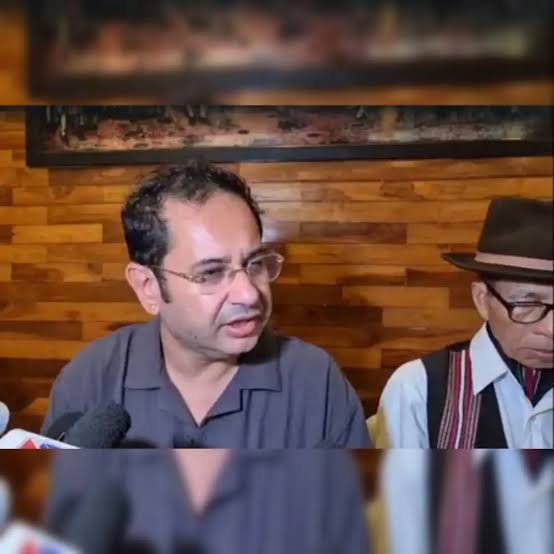
With the Tripura Village Committee elections approaching, Tipra Motha has reportedly invoked the legacy of Maharaja Bir Bikram Kishore Manikya to strengthen its campaign for indigenous self-governance. The party is using the former royal ruler’s historical legacy to connect its political message with demands for greater community control and representation.
The strategy places indigenous identity and traditional institutions at the centre of the local election campaign. Moreover, Tipra Motha’s messaging could help the party reinforce its political base among indigenous communities across Tripura’s tribal areas.
The campaign also comes amid wider debates over political representation, land rights, cultural identity, and implementation of indigenous-focused commitments.
Sovereignty Reiteration: Centre Reaffirms Arunachal Pradesh as an Integral Part of India
Tipra Motha Targets Village Committee Elections
The Tipra Motha Village Committee strategy focuses heavily on indigenous self-governance.
Village Committee elections provide an important political platform in tribal areas because local institutions influence community-level development and administration. Furthermore, Tipra Motha can use the campaign to present itself as a political force advocating greater local participation.
The party’s strategy connects electoral politics with broader questions of indigenous representation.
Maharaja Bir Bikram Legacy Takes Centre Stage
Tipra Motha has reportedly highlighted the legacy of Maharaja Bir Bikram Kishore Manikya during its political outreach.
Bir Bikram remains an important historical figure in Tripura’s political and cultural narrative. Additionally, invoking his legacy allows Tipra Motha to connect contemporary demands for indigenous governance with the state’s historical institutions and identity.
The approach gives the campaign a strong cultural dimension.
Indigenous Self-Governance Becomes Key Message
The party’s campaign centres on greater self-governance for indigenous communities.
Tipra Motha argues that local communities should have a stronger role in decisions affecting their land, culture, development, and political representation. Moreover, Village Committees can provide a grassroots platform for pursuing these objectives.
The election campaign therefore goes beyond individual candidates and focuses on broader political principles.
Local Institutions Matter to Communities
Village Committees play an important role in grassroots administration in Tripura’s tribal areas.
They can influence local development priorities and provide a channel between communities and administrative authorities. Furthermore, stronger local participation can help communities articulate their needs more directly.
Tipra Motha’s campaign seeks to make these institutions central to its political message.
Historical Identity Shapes Campaign
Political parties often use historical figures and events to connect contemporary campaigns with established cultural identities.
For Tipra Motha, Maharaja Bir Bikram’s legacy provides a reference point for discussions surrounding Tripura’s indigenous heritage. Additionally, the historical narrative can help the party communicate its message to voters through cultural symbolism.
The strategy demonstrates how history and electoral politics can intersect.
Land and Cultural Rights Remain Important
The self-governance campaign also connects with wider concerns over land and cultural protection.
Indigenous communities have raised concerns over political representation, land security, economic opportunities, and preservation of cultural traditions. Moreover, these issues have remained important components of Tripura’s regional political discourse.
Tipra Motha’s electoral strategy brings several of these concerns together.
Village Elections Could Test Party Strength
The upcoming Village Committee elections could provide an important measure of Tipra Motha’s grassroots support.
Strong performance could reinforce the party’s claim to represent indigenous political interests. However, electoral competition from the BJP, other regional parties, and opposition formations could make the contests closely watched.
The results could offer insight into changing political preferences among local voters.
BJP-Tipra Motha Relationship Adds Context
Tipra Motha’s broader relationship with the BJP also provides context for its election strategy.
The two parties have cooperated politically, while Tipra Motha has continued to emphasise indigenous demands. Furthermore, the party’s campaign around self-governance demonstrates that alliance politics does not necessarily eliminate differences over regional priorities.
The Village Committee elections could therefore test both local support and alliance dynamics.
Youth and Grassroots Mobilisation
Tipra Motha can also use the Village Committee campaign to mobilise younger voters and grassroots workers.
Community-level elections provide opportunities for emerging leaders to gain political experience. Additionally, stronger grassroots networks can help the party maintain organisational visibility between larger electoral contests.
The campaign could therefore have implications beyond the immediate election.
What Happens Next?
As the Village Committee elections approach, Tipra Motha is likely to intensify its outreach around indigenous governance and cultural identity.
The party may continue highlighting Maharaja Bir Bikram’s legacy while presenting local self-governance as a central electoral promise. Moreover, candidates will need to translate these broader themes into specific local development priorities.
The election results will ultimately determine how effectively the strategy resonates with voters.
Conclusion
The Tipra Motha Village Committee strategy places indigenous self-governance at the centre of the party’s campaign as local elections approach in Tripura. By invoking the legacy of Maharaja Bir Bikram Kishore Manikya, the party is connecting its contemporary political agenda with the state’s historical and cultural identity.
Moreover, the strategy highlights issues including local representation, land rights, cultural preservation, and community participation. At the same time, the Village Committee elections will provide a practical test of Tipra Motha’s grassroots influence.
Overall, the indigenous self-governance campaign could become an important feature of Tripura’s local electoral politics as Tipra Motha seeks to consolidate support among indigenous communities.
FAQs
1. What is Tipra Motha focusing on in the Village Committee elections?
The party is reportedly focusing on indigenous self-governance, local representation, land rights, and cultural identity.
2. Why is Maharaja Bir Bikram important to the campaign?
Tipra Motha is using his historical legacy to connect its contemporary political message with Tripura’s indigenous heritage and history.
3. Why are Village Committee elections significant?
They provide an important grassroots platform for local administration and political representation in Tripura’s tribal areas.
4. Could the elections affect Tipra Motha’s political standing?
Yes. The results could provide an indication of the party’s grassroots support among indigenous voters.
5. How does this relate to Tipra Motha’s broader politics?
The campaign reflects the party’s wider emphasis on indigenous political representation, cultural protection, land rights, and greater community participation.