


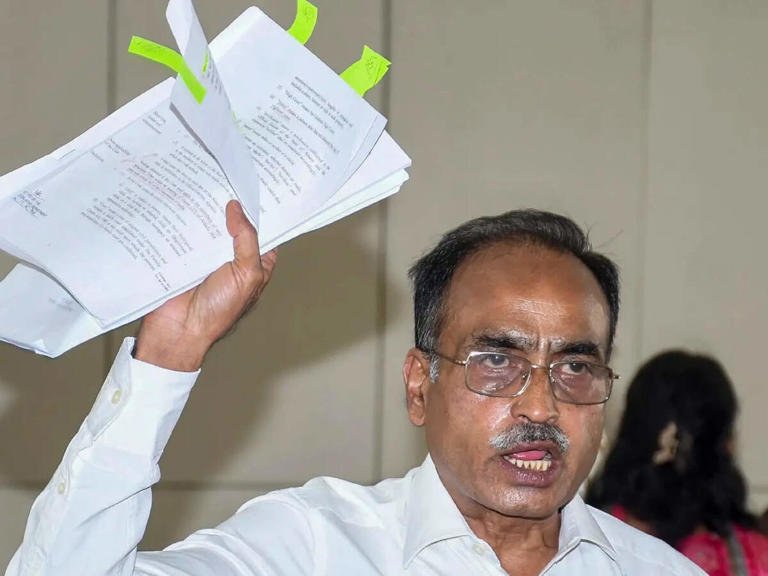
The lone Trinamool Congress MLA in the Assam Assembly staged a walkout during proceedings over the proposed Uniform Civil Code (UCC) bill, alleging that the state government’s intention behind introducing the legislation was “malicious” and politically motivated.
The protest added another layer to the growing political debate surrounding the Uniform Civil Code in Assam, where discussions over legal reform, social policy, and constitutional principles continue to attract attention. The walkout took place during Assembly proceedings as members discussed issues linked to the government’s proposed direction on the UCC.
The protest reflected differing political views inside the House and highlighted the continuing divide over how such reforms should be introduced and implemented.
TMC MLA Walks Out During Assembly Proceedings
The Trinamool Congress legislator registered opposition to the proposed Uniform Civil Code and walked out of the Assembly while expressing disagreement with the government’s approach.
During the discussion, the MLA alleged that the government’s intention behind bringing the proposal lacked genuine concern for legal reform and instead carried political objectives.
The member questioned the timing and broader context surrounding the proposal and argued that such measures require wider consultation and public engagement.
The walkout became one of the notable moments of the Assembly session and drew attention to the opposition’s position on the issue.
Political observers noted that walkouts remain a parliamentary method used by opposition members to register dissent and communicate disagreement with government policy.
The incident reflected broader political disagreement over the Uniform Civil Code and its possible impact.
Debate Over Uniform Civil Code Continues In Assam
The Uniform Civil Code remains an important political and policy issue in Assam and across India.
Supporters of the proposal argue that a common legal framework can strengthen equality and simplify legal systems related to personal matters.
At the same time, critics have raised concerns regarding implementation, consultation processes, and the impact on existing legal traditions.
The Assembly discussion reflected these competing perspectives.
Opposition voices argued that reforms involving personal laws and social issues require extensive public dialogue.
Supporters of the proposal maintained that legal uniformity supports equal treatment and strengthens governance.
The debate in Assam has therefore become part of wider national discussions surrounding legal reform.
Government Defends Its Position On Legal Reform
The Assam government has repeatedly stated that discussions around the Uniform Civil Code focus on governance reform, equality, and legal consistency.
Government representatives have maintained that any future action would follow constitutional procedures and legal frameworks.
Supporters of the proposal argue that legal reforms should focus on ensuring equal rights and strengthening institutional clarity.
Officials have also stated that public consultation and administrative processes remain important components of policy development.
The government’s position has continued to receive support from those who believe legal reforms can contribute to long-term governance goals.
At the same time, opposition parties continue to question both the intent and approach connected to the proposal.
The latest Assembly developments once again brought these differing viewpoints into public discussion.
Political Reactions Highlight Diverging Approaches
The walkout demonstrated the contrasting political positions that continue to shape the Uniform Civil Code debate.
Opposition leaders argued that sensitive legal issues require broader consensus and greater engagement before introducing legislation.
Supporters of the government’s approach maintained that legal reform discussions should continue without political hesitation.
Observers noted that debates around the Uniform Civil Code often extend beyond legal questions and include political, social, and governance considerations.
The Assembly proceedings reflected how different parties continue to interpret the proposal through different policy perspectives.
Political reactions following the walkout further highlighted the intensity of the discussion.
Such debates are expected to continue as governments and political parties articulate their positions.
Uniform Civil Code Remains Central To Political Discussions
The Uniform Civil Code continues to remain one of the most widely debated public policy issues in India.
Supporters often frame the discussion around equality and legal consistency, while critics focus on consultation, implementation, and social implications.
The developments in the Assam Assembly demonstrate how the issue continues to influence political discourse at the state level.
The walkout by the lone TMC MLA underscored continuing opposition concerns and reflected disagreement over the government’s intentions.
At the same time, the government maintained its broader position regarding legal reform and governance objectives.
Focus Turns To Future Legislative Developments
Following the Assembly developments, attention is expected to shift toward the government’s next steps regarding the proposed Uniform Civil Code.
Political observers believe discussions around the issue are likely to continue both inside and outside the legislature.
Any future legislative movement may invite further debate and political responses.
The Assembly session highlighted the sharp differences that remain around the proposal and demonstrated how legal reform continues to remain a politically significant subject.
With the lone TMC MLA walking out in protest, the latest proceedings once again brought the Uniform Civil Code debate to the centre of Assam’s political discussion and renewed attention on the differing approaches shaping the conversation.