


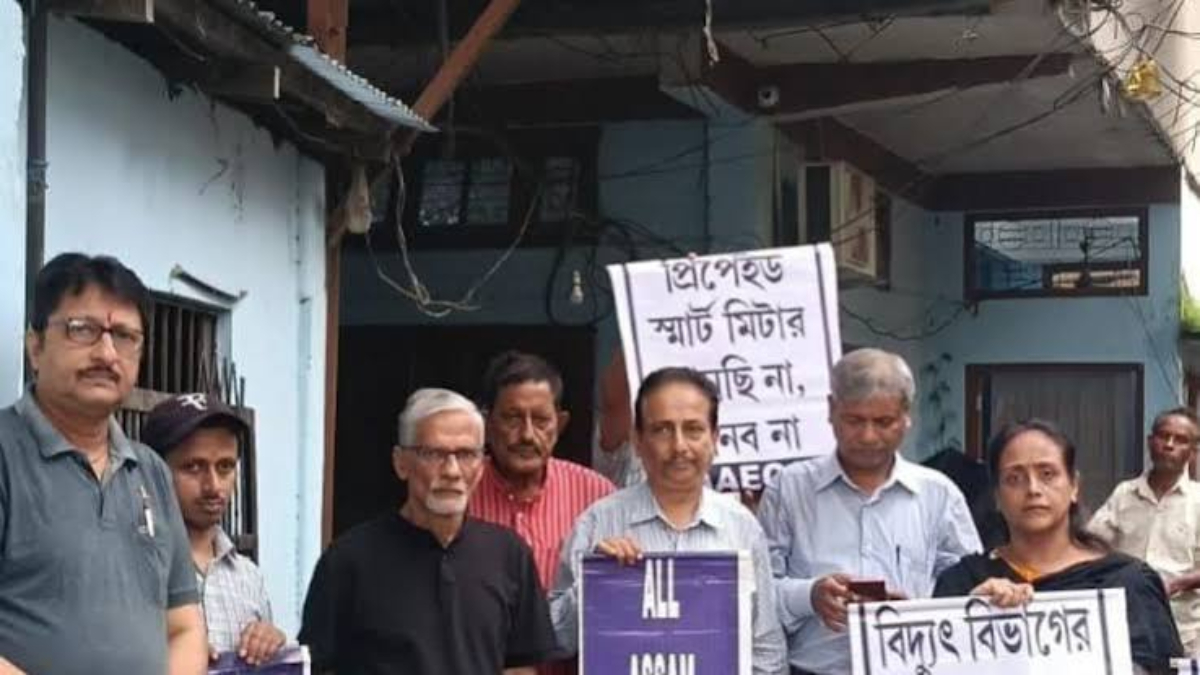
Assam power consumers have intensified their demand for 200 units of free electricity every month while strongly opposing the installation of smart prepaid electricity meters across the state. Consumer rights groups and electricity users have argued that affordable power is a basic necessity and have urged the Assam government to reconsider its policies on prepaid metering. The issue has sparked widespread debate, with consumer organizations warning that the new system could increase financial pressure on households, particularly those from economically weaker sections.
Assam Power Consumers Raise Fresh Demands
The demand gained momentum after representatives of various consumer organizations and electricity users’ associations urged the state government to provide relief to domestic consumers. They called for 200 units of free electricity each month, arguing that several Indian states have already introduced similar welfare measures to reduce the burden of rising living costs.
According to the groups, electricity has become an essential service, and rising household expenses have made it increasingly difficult for middle- and low-income families to manage monthly utility bills. They believe that providing free electricity up to a fixed limit would offer significant financial relief while ensuring access to basic energy needs.
Alongside the demand for free electricity, the organizations also opposed the rollout of smart prepaid meters, claiming that the system could create additional hardships for consumers.
Why Assam Power Consumers Oppose Smart Prepaid Meters
Consumer bodies have expressed concerns that smart prepaid meters require users to recharge electricity in advance, similar to prepaid mobile services. They argue that this model could disrupt electricity supply if consumers fail to recharge on time, even temporarily.
Several representatives stated that electricity is an essential public service and should not be disconnected automatically due to insufficient balance. They have also questioned the transparency of billing under prepaid systems and sought greater public consultation before large-scale implementation.
The organizations further claimed that many consumers remain unaware of how smart prepaid meters function, leading to confusion and apprehension. They have requested the government and power distribution companies to conduct awareness campaigns before expanding the project.
Concerns Over Consumer Rights
Consumer rights activists believe that the transition to smart prepaid meters should not come at the cost of consumer protection. They have demanded safeguards to ensure uninterrupted electricity supply, especially for vulnerable households, senior citizens, and people living in rural areas.
The groups also argued that existing postpaid billing systems provide sufficient flexibility for families facing temporary financial difficulties, whereas prepaid systems may leave consumers without electricity during emergencies.
Government’s Smart Meter Rollout
The Assam government has been implementing smart electricity meters as part of a broader power sector modernization initiative aimed at reducing transmission and distribution losses, improving billing efficiency, and promoting digital monitoring of electricity consumption.
Officials have maintained that smart meters help consumers monitor their electricity usage in real time, reduce billing disputes, and improve revenue collection for power distribution companies. The initiative also aligns with national efforts to modernize the country’s electricity infrastructure through advanced metering technologies.
Despite these objectives, resistance from consumer organizations has continued, with many demanding that the rollout be paused until public concerns are addressed.
Demand for Affordable Electricity
Apart from opposing smart prepaid meters, consumer organizations have stressed that affordable electricity should remain a priority for the state government. They noted that inflation and increasing household expenses have made utility bills a growing concern for many families.
The demand for 200 units of free electricity is being presented as a social welfare measure that could benefit millions of domestic consumers. Consumer representatives argue that such a policy would support education, healthcare, and small household businesses by reducing monthly expenses.
They have urged the government to study similar electricity subsidy models adopted by other states before taking a final decision.
Tribal Bodies Call for Abrogation of Suspension of Operations Pact in 2026
What Consumer Organizations Want
The organizations have submitted a series of demands, including:
- Provision of 200 units of free electricity for every domestic household.
- Suspension of compulsory installation of smart prepaid meters.
- Wider public consultation before implementing new electricity policies.
- Greater transparency in electricity billing and metering.
- Consumer awareness programmes explaining the functioning of smart meters.
They have emphasized that policy decisions affecting essential services should be taken after meaningful engagement with consumers and civil society organizations.
Future of Assam’s Power Policy
The debate over electricity subsidies and smart prepaid meters is expected to remain a significant policy issue in Assam. While the government continues to push for modernization of the power distribution system, consumer groups are seeking greater protection of user rights and affordable electricity.
The coming weeks could see further discussions between the government, electricity distribution companies, and consumer organizations. Whether the state considers introducing free electricity benefits or revises its smart meter implementation strategy will likely depend on these consultations and future policy decisions.
For now, the demands have brought renewed attention to the challenges of balancing infrastructure modernization with consumer welfare, making electricity policy one of the state’s most closely watched public issues.