


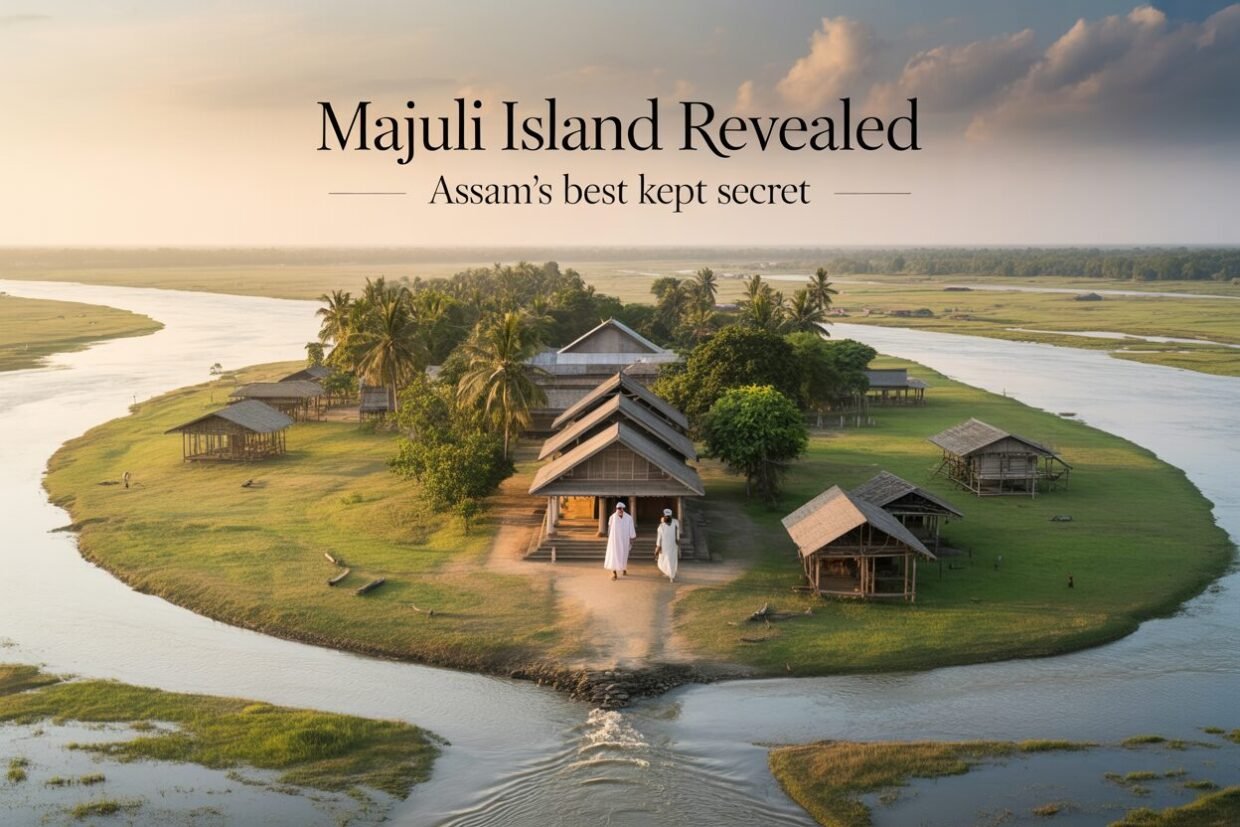
Majuli Island heritage preservation efforts received major international recognition after a large-scale cultural conservation initiative in Assam won a prestigious global heritage protection award. The internationally celebrated project focuses on safeguarding the cultural identity, traditional art forms, monasteries, and ecological landscape of Majuli Island, widely recognized as one of the world’s largest river islands. Meanwhile, officials stated that the award highlights the growing global importance of protecting indigenous heritage and vulnerable cultural ecosystems.
Guwahati Startup Conclave Connects Northeast With Investors
Arunachal Border Highway Project Strengthens Frontier Connectivity
International Heritage Award Officially Announced
Authorities confirmed that the cultural preservation initiative received recognition for its long-term efforts involving heritage restoration, traditional knowledge conservation, and community participation programs. Additionally, officials explained that the award committee praised the project’s balance between environmental sustainability and cultural protection.
The heritage initiative reportedly includes restoration work involving historic monasteries, traditional performing arts, manuscript preservation, and river island ecological management. Consequently, the recognition may strengthen international awareness regarding the cultural significance of Majuli Island. Earlier, conservation experts repeatedly warned that erosion and climate-related environmental pressures threatened both local communities and heritage structures across the island.
Officials from the Archaeological Survey of India stated that the project reflects the importance of preserving culturally significant landscapes through collaborative conservation strategies. Furthermore, authorities indicated that additional restoration programs may expand following the international recognition.
Satras And Traditional Culture Receive Protection
Senior cultural historians, conservation experts, and community leaders participated in ceremonies linked to the global heritage award announcement. Meanwhile, authorities highlighted the historical importance of Majuli’s satras, which remain central to Assamese Vaishnavite spiritual and artistic traditions.
Officials explained that several monasteries on the island continue preserving centuries-old dance, music, manuscript, and theatrical traditions associated with Assamese cultural heritage. Specifically, preservation teams reportedly restored aging structures while supporting local artisans and performers involved in traditional cultural practices. In addition, heritage researchers believe Majuli represents one of South Asia’s most distinctive living cultural landscapes.
Several cultural organizations welcomed the international recognition because it may encourage stronger support for endangered heritage sites and indigenous traditions. However, environmental experts emphasized that erosion control and climate resilience remain essential for long-term preservation success. Despite this, officials confirmed that riverbank protection and sustainable development projects continue progressing.
Community Participation Strengthens Conservation
The Majuli Island heritage preservation initiative has also gained attention for involving local residents, monks, artists, and youth organizations in heritage management activities. Additionally, authorities confirmed that community-led cultural education and environmental awareness programs remain active across the island.
Conservation planners explained that local participation often improves long-term preservation outcomes because communities maintain direct connections with cultural traditions and ecological systems. As a result, heritage protection programs increasingly focus on grassroots involvement and sustainable livelihood support. Furthermore, authorities introduced training programs involving traditional craftsmanship, archival restoration, and eco-tourism management.
Cultural policy experts noted that community-based conservation models increasingly influence international heritage preservation strategies. Therefore, Majuli’s recognition may encourage similar cultural protection efforts in environmentally sensitive regions worldwide.
Meanwhile, local residents reportedly expressed pride regarding the international acknowledgment of Assamese heritage traditions. Authorities also stated that schools and educational institutions may expand cultural awareness activities linked to the project.
Climate Challenges Continue Affecting Majuli
Officials confirmed that river erosion and climate-related environmental risks remain among the biggest challenges facing heritage preservation efforts on Majuli Island. Additionally, environmental scientists explained that changing river patterns continue affecting settlements, agricultural land, and historical structures across the island.
The Majuli Island heritage preservation project reportedly integrates ecological management systems alongside cultural conservation planning. Consequently, authorities may strengthen embankment protection, sustainable land management, and environmental monitoring initiatives in vulnerable areas. Furthermore, climate experts continue studying long-term adaptation strategies for river island communities.
Several researchers observed that the Brahmaputra River significantly shapes Majuli’s environmental and cultural identity while simultaneously creating erosion-related risks. In addition, environmental organizations stressed the importance of balancing development projects with ecological sustainability.
Earlier, authorities launched flood mitigation and riverbank stabilization initiatives involving local communities and environmental agencies. At the same time, policymakers encouraged scientific collaboration supporting climate resilience planning across Assam.
Eco Tourism And Cultural Tourism Receive Boost
Authorities stated that the international heritage award may significantly increase tourism interest in Majuli Island and surrounding cultural regions. Additionally, tourism planners explained that travelers increasingly seek authentic heritage experiences connected to indigenous traditions and ecological landscapes.
The Majuli Island heritage preservation initiative reportedly attracted attention from cultural tourists, researchers, photographers, and international heritage organizations. As a result, eco-tourism and monastery tourism activities may expand under regulated and sustainable tourism frameworks. Furthermore, tourism departments continue evaluating infrastructure improvements involving transport, accommodation, and visitor information systems.
Several hospitality experts welcomed the development because responsible tourism may support local economies and heritage conservation funding. However, environmental specialists warned against uncontrolled tourism growth that could threaten fragile ecosystems and cultural authenticity.
Economic analysts noted that heritage tourism frequently generates employment opportunities involving handicrafts, cultural performances, hospitality, and guided tourism services. Therefore, sustainable tourism planning may strengthen community livelihoods across Majuli Island.
Research And International Collaboration Increase
Officials confirmed that universities, museums, and international heritage institutions have shown growing interest in Majuli’s cultural preservation strategies following the global recognition. Specifically, researchers continue exploring opportunities involving manuscript digitization, oral history documentation, and traditional knowledge studies.
The Majuli Island heritage preservation project may also encourage stronger collaboration between Indian and global conservation agencies. Consequently, future restoration programs could receive expanded technical expertise and international funding support. Furthermore, cultural researchers highlighted the importance of preserving intangible heritage traditions alongside physical structures.
Several academic experts stated that living heritage landscapes require continuous documentation and intergenerational knowledge transfer for long-term survival. In addition, preservation specialists emphasized the role of technology in protecting vulnerable cultural archives and manuscripts.
Meanwhile, community organizations requested stronger infrastructure support involving education, healthcare, and transportation alongside conservation investments. Authorities responded by confirming ongoing discussions regarding integrated development planning.
Future Preservation Efforts Continue
Government officials confirmed that additional heritage conservation and ecological protection proposals remain under active consideration for Majuli Island. Specifically, authorities continue reviewing long-term climate adaptation, sustainable tourism, and cultural preservation strategies.
Experts believe culturally significant landscapes like Majuli will remain increasingly important within global heritage conservation discussions. Moreover, community-driven preservation efforts may strengthen both cultural resilience and environmental sustainability.
The Majuli Island heritage preservation initiative represents a major achievement for cultural conservation and indigenous heritage protection in India. Ultimately, officials expect the international recognition to strengthen global awareness, support sustainable preservation, and encourage future protection of Majuli’s unique cultural and ecological identity.
FAQs
What is the Majuli Island heritage preservation project?
The project focuses on protecting cultural traditions, monasteries, manuscripts, and ecological systems on Majuli Island.
Why did the project receive an international award?
The initiative received recognition for combining cultural preservation, community participation, and environmental sustainability efforts.
Which organization supports heritage conservation in Majuli?
The Archaeological Survey of India supports restoration and cultural preservation initiatives.
What cultural traditions are preserved on Majuli Island?
The island protects Assamese Vaishnavite traditions, monastery culture, dance, music, theater, and manuscript heritage.
What environmental challenges affect Majuli Island?
River erosion, flooding, and climate-related environmental changes continue threatening settlements and historical sites.
What does Majuli Island heritage preservation mean for global cultural conservation?
Majuli Island heritage preservation efforts may strengthen international awareness regarding indigenous heritage, climate resilience, and sustainable cultural protection.