


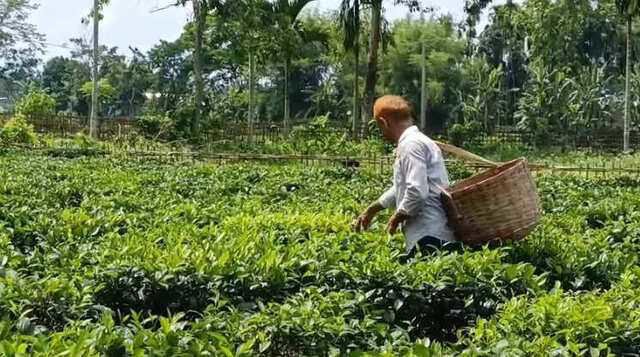
Majuli, the world’s largest inhabited river island and a cultural treasure of Assam, has added another milestone to its growing list of achievements with the establishment of its first registered tea garden. The development represents a remarkable story of innovation, determination, and self-reliance, demonstrating how local entrepreneurship can transform agricultural possibilities even in geographically challenging regions.
Known primarily for its Vaishnavite monasteries, rich cultural traditions, and scenic landscapes, Majuli has traditionally relied on agriculture, fishing, and handicrafts as the backbone of its economy. The emergence of a registered tea garden on the island has opened a new chapter in its development journey, offering fresh opportunities for farmers and rural communities.
The success story reflects the spirit of innovation that continues to shape Assam’s agricultural landscape while contributing to local economic growth.
A New Chapter for Majuli
For decades, tea cultivation remained largely associated with Assam’s traditional tea-growing regions such as Dibrugarh, Tinsukia, Jorhat, and Golaghat. However, changing agricultural practices and growing entrepreneurial interest have encouraged farmers in new areas to explore tea cultivation.
The establishment of Majuli’s first registered tea garden marks a significant achievement because it demonstrates that tea production can thrive even in areas not traditionally known for the crop.
Local stakeholders believe the development will help diversify the island’s agricultural economy and reduce dependence on conventional farming activities.
The registration of the tea garden also provides formal recognition to an initiative that has required years of planning, experimentation, and perseverance.
Officials and agricultural experts view the achievement as an encouraging example of rural innovation.
Overcoming Geographical Challenges
Majuli faces unique geographical challenges due to its location in the Brahmaputra River. Seasonal flooding, erosion, transportation difficulties, and changing environmental conditions often affect agricultural activities and economic development.
Establishing a tea garden under such circumstances required careful planning and adaptation. Farmers had to assess soil conditions, identify suitable cultivation methods, and manage environmental risks associated with the island’s geography.
The successful development of the tea garden highlights the resilience of local entrepreneurs and farming communities. Despite numerous challenges, they remained committed to exploring new opportunities and improving livelihoods.
Agricultural experts note that innovation often emerges from adversity. In Majuli’s case, the tea garden represents a practical example of how communities can adapt and thrive in difficult conditions.
Importance of Registration
Obtaining official registration carries significant benefits for tea producers. Registration provides recognition within the organized tea sector and creates opportunities for accessing government support programmes, training initiatives, and market networks.
It also helps improve credibility among buyers and consumers. Registered tea gardens can more easily participate in formal supply chains and expand their market reach.
For the tea garden in Majuli, registration represents an important step toward long-term sustainability and growth. It demonstrates compliance with established standards and strengthens the foundation for future expansion.
Officials believe the achievement may encourage other farmers to consider tea cultivation as a viable agricultural enterprise.
The development could therefore have a broader impact on the local economy.
Innovation Drives Agricultural Growth
The story of Majuli’s first registered tea garden highlights the growing importance of innovation in agriculture. Modern farming increasingly requires adaptation, experimentation, and the willingness to explore new opportunities.
Tea cultivation on the island emerged from a combination of entrepreneurial vision and practical problem-solving. Farmers evaluated local conditions and identified ways to make tea production economically viable.
Experts emphasize that innovation is not limited to technology. It also involves adopting new crops, developing alternative business models, and finding creative solutions to local challenges.
The Majuli initiative demonstrates how rural communities can embrace innovation while remaining connected to their agricultural traditions.
As a result, the tea garden has become a symbol of progress and possibility.
Creating Economic Opportunities
The development of the tea garden is expected to generate multiple economic benefits for local communities. Tea cultivation often creates employment opportunities throughout the production cycle, including planting, maintenance, harvesting, processing, and marketing.
Local residents may benefit from increased economic activity and improved income opportunities. Small businesses involved in transportation, packaging, and related services could also experience positive effects.
Officials believe that successful agricultural enterprises can contribute to broader rural development by encouraging investment and entrepreneurship.
The tea garden therefore represents more than a single farming project. It serves as a potential catalyst for economic diversification and community growth.
Supporters hope the initiative will inspire similar ventures across the island.
Strengthening Self-Reliance
Self-reliance remains a central theme in the story of Majuli’s first registered tea garden. The project reflects the determination of local individuals to create opportunities rather than depend solely on traditional economic activities.
By investing in tea cultivation, entrepreneurs demonstrated confidence in the island’s potential and their own capabilities. Their efforts align with broader goals of rural empowerment and sustainable development.
Officials often emphasize the importance of self-reliance in strengthening local economies. Communities that develop diverse sources of income are generally better equipped to withstand economic and environmental challenges.
The tea garden’s success illustrates how initiative and persistence can contribute to long-term resilience.
Many residents view the achievement as a source of pride for the island.
Potential for Future Expansion
Agricultural experts believe the success of the first registered tea garden could encourage additional tea cultivation projects in Majuli. While expansion would require careful planning and environmental consideration, the initial achievement demonstrates the crop’s potential in the region.
Future growth could involve greater participation by small farmers, cooperative models, and value-added tea products. Training programmes and technical support may also help strengthen the sector.
Officials note that sustainable expansion remains important. Any growth in tea cultivation should balance economic opportunities with environmental protection and responsible land management.
If managed effectively, the sector could become an important component of Majuli’s rural economy.
The experience gained from the first registered tea garden will likely prove valuable for future initiatives.
Preserving Heritage While Embracing Progress
Majuli is widely known for its unique cultural heritage and spiritual significance. The emergence of a tea garden demonstrates that preserving tradition and pursuing development are not mutually exclusive goals.
Local leaders believe economic innovation can coexist with cultural preservation. In fact, stronger livelihoods often help communities protect and sustain their heritage more effectively.
The tea garden adds a new dimension to Majuli’s identity without diminishing its cultural importance. Instead, it highlights the island’s ability to adapt to changing circumstances while remaining rooted in its traditions.
This balance between heritage and progress remains one of Majuli’s greatest strengths.
Looking Ahead
The establishment of Majuli’s first registered tea garden marks an important milestone in the island’s development journey. Through innovation, determination, and entrepreneurial spirit, local stakeholders have demonstrated that new opportunities can emerge even in challenging environments.
The project represents a powerful example of self-reliance, showcasing how communities can create sustainable economic opportunities while embracing modern agricultural practices. It also offers hope for future diversification and growth within Majuli’s rural economy.
As the tea garden continues to develop, it is expected to inspire other farmers and entrepreneurs to explore new possibilities. For Majuli, the achievement stands as a testament to resilience, innovation, and the enduring capacity of local communities to shape their own future.