


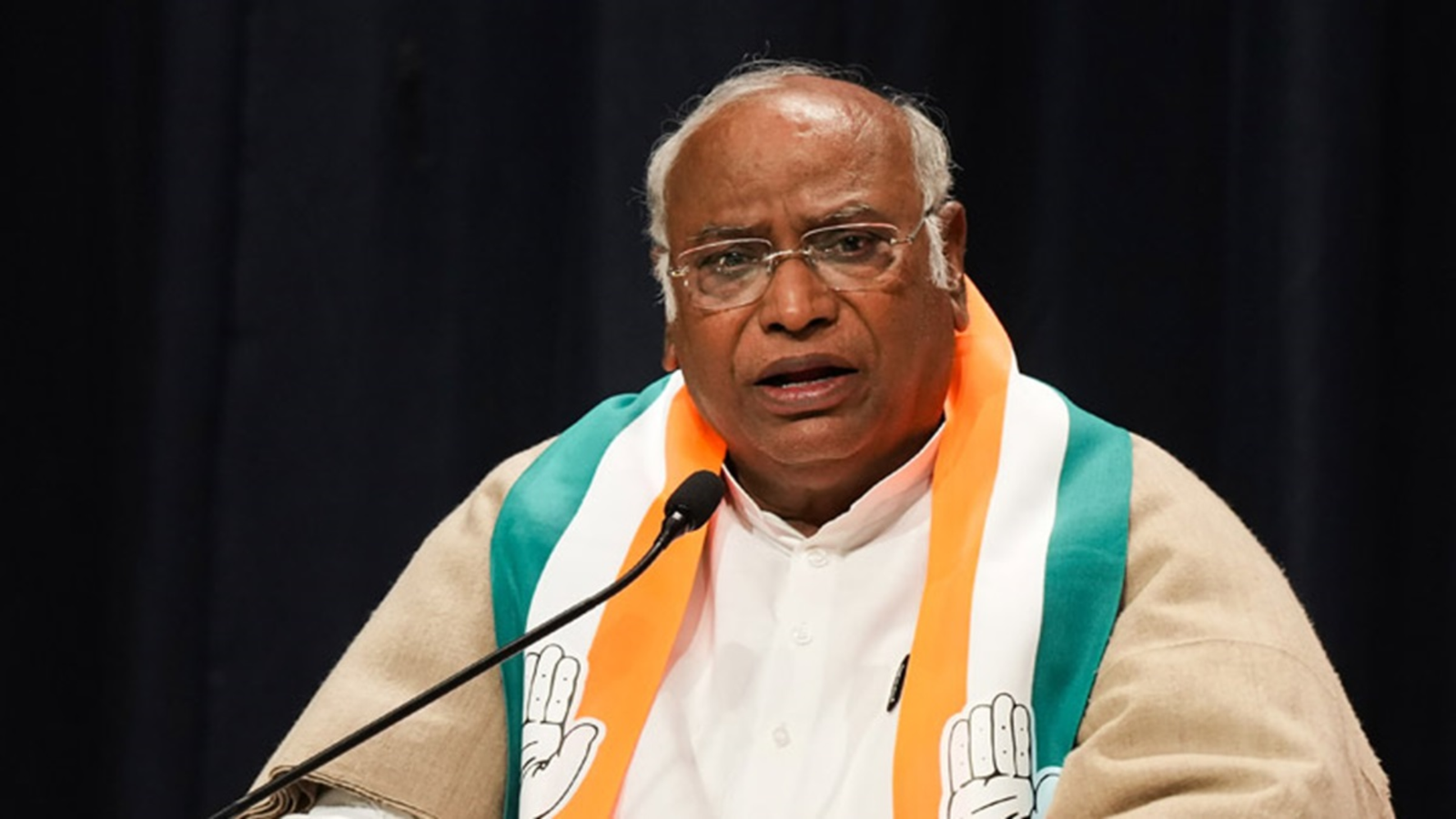
Congress President Mallikarjun Kharge has called for the immediate deployment of resources from the PM CARES Fund to support relief and rehabilitation efforts in flood-affected regions of Northeast India. Highlighting the severe impact of monsoon-related floods and landslides across multiple states, Kharge urged the Central Government to accelerate financial assistance and ensure timely support for affected communities. Moreover, the demand has reignited discussions on disaster management funding, emergency relief mechanisms, and the role of special assistance packages during natural calamities.
Border Surveillance Strengthened with Accelerated Drone Monitoring
Congress Chief Calls for Urgent Financial Relief
Mallikarjun Kharge reportedly appealed to the Central Government to utilize PM CARES resources for immediate relief operations in the northeastern states affected by severe flooding and landslides. Consequently, the demand has attracted significant political and public attention amid ongoing rescue and rehabilitation efforts.
According to party leaders, the request was made in light of the extensive damage to infrastructure, agriculture, housing, and public services caused by the monsoon disaster. Moreover, Kharge emphasized that rapid financial intervention is essential to support displaced families and strengthen relief operations. Therefore, the appeal has intensified discussions surrounding emergency funding mechanisms.
Political observers noted that natural disasters often require coordinated responses involving both central and state authorities. As a result, calls for additional financial assistance have become a central aspect of the broader relief debate.
Meanwhile, disaster response agencies continue to monitor conditions across the affected regions.
Northeast Flood Crisis Continues to Affect Thousands
The recent wave of floods and landslides has impacted several northeastern states, disrupting transportation networks, damaging infrastructure, and affecting thousands of residents. Moreover, continuous rainfall has complicated rescue and rehabilitation operations in multiple districts. Therefore, relief and recovery efforts remain a priority for both state and central authorities.
Disaster management experts emphasized that large-scale natural disasters often require sustained financial support and institutional coordination. Consequently, emergency relief funds and special assistance programs play a critical role in supporting affected populations. Such interventions can help accelerate recovery and rebuild essential infrastructure.
Furthermore, the long-term economic and social impact of flooding highlights the importance of timely assistance and strategic planning. As a result, policymakers continue to evaluate additional support measures.
Meanwhile, state administrations remain engaged in relief distribution and damage assessment activities.
Disaster Relief Funding Becomes a Political Focus
Kharge’s demand has also brought renewed attention to the broader issue of disaster relief financing and emergency response mechanisms. Moreover, political parties and policymakers continue to debate the most effective approaches for delivering rapid assistance during national emergencies. Therefore, the role of special relief funds remains an important topic of public discussion.
Political analysts observed that disaster response often requires strong coordination between governments, relief agencies, and financial institutions. Consequently, calls for greater transparency, faster fund allocation, and improved disaster preparedness continue to shape policy debates. Such discussions contribute to strengthening institutional response systems.
Furthermore, effective disaster management strategies can improve resilience and support long-term recovery efforts. As a result, governments continue to invest in emergency preparedness and response capabilities.
Meanwhile, relief operations across Northeast India remain ongoing.
Rehabilitation and Long-Term Recovery Remain Key Priorities
The appeal for immediate financial assistance reflects the broader objective of ensuring effective rehabilitation, rebuilding infrastructure, and supporting affected communities. Moreover, policymakers continue to emphasize the importance of comprehensive disaster management strategies that address both immediate relief and long-term recovery needs. Therefore, disaster resilience remains a major policy concern.
Experts stressed that successful recovery efforts require sustained investment, coordinated planning, and institutional cooperation. Consequently, governments often adopt multi-phase approaches that combine emergency assistance with reconstruction and development initiatives. Such strategies contribute to long-term social and economic stability.
Furthermore, continued support for affected communities is expected to remain a central focus of public policy discussions. As a result, disaster relief and rehabilitation efforts will continue to attract significant attention.
Conclusion
Congress President Mallikarjun Kharge’s call for the immediate deployment of PM CARES funds for flood-affected Northeast India highlights the urgent humanitarian and developmental challenges posed by the ongoing monsoon crisis. Moreover, the appeal underscores the importance of timely financial assistance, coordinated disaster management, and effective rehabilitation strategies.
As relief and recovery operations continue, discussions surrounding emergency funding and disaster response mechanisms are expected to remain central to public and political discourse. Therefore, the evolving situation in Northeast India will continue to receive significant national attention.
The latest appeal reinforces the importance of rapid response, institutional coordination, and sustained support in addressing large-scale natural disasters.
FAQs
1. What did Mallikarjun Kharge demand?
He called for the immediate deployment of PM CARES funds for flood relief and rehabilitation in Northeast India.
2. Why was the demand made?
The appeal was made in response to the severe floods and landslides affecting multiple northeastern states.
3. What challenges are affected states facing?
States are dealing with infrastructure damage, displacement, transportation disruptions, and economic losses.
4. Why is disaster funding important?
Timely financial assistance supports rescue operations, rehabilitation, and long-term recovery efforts.
5. What broader issue has this demand highlighted?
It has renewed discussions about disaster relief financing and emergency response mechanisms.