


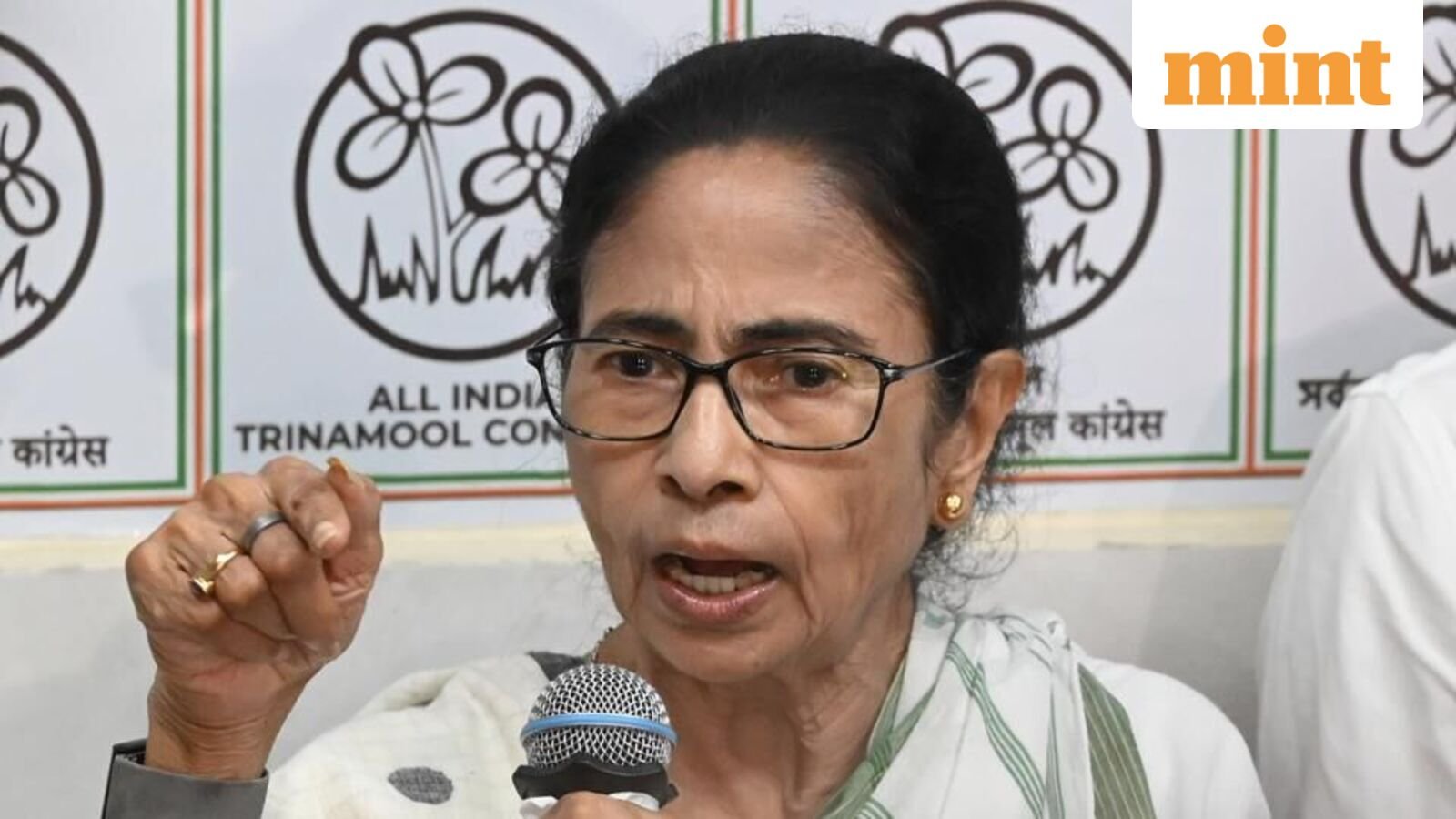
Mamata Banerjee Vows Resistance after her party’s recent assembly election setback and signaled that the political contest with the Bharatiya Janata Party will continue at the national level. Speaking to media, the former chief minister stated that the BJP would eventually be removed from power in Delhi despite the electoral outcome. The remarks quickly triggered political discussion across party lines and renewed focus on opposition strategies ahead of future contests.
India Myanmar Trade Route Restarts Cargo Movement
Manipur Peace Dialogue Gains Fresh Administrative Focus
Political Response After Election Outcome
The statement came shortly after the assembly election defeat created fresh debate about regional parties and their national ambitions. However, Mamata Banerjee maintained that election losses do not define long-term political direction. She emphasized continued engagement with voters and indicated that political resistance would remain active.
Meanwhile, leaders within her party attempted to reassure workers and supporters following the result. Party representatives argued that electoral setbacks often create opportunities for organizational restructuring and stronger outreach. Additionally, they stressed that future campaigns would focus on local concerns and governance issues.
Opposition Narrative Gains Attention
Political observers noted that opposition leaders often use post-election moments to reshape public messaging. Consequently, Banerjee’s comments attracted attention beyond state politics. Analysts suggested that such statements aim to maintain momentum and preserve political visibility during periods of transition.
At the same time, opposition groups across India continue to debate the structure of broader alliances. Several regional formations have repeatedly discussed coordinated strategies against the BJP in recent years. However, questions remain regarding leadership, seat-sharing arrangements, and policy priorities.
National Political Implications
Mamata Banerjee Vows Resistance at a time when national political narratives continue to evolve. Notably, her remarks highlighted the broader competition between regional influence and national dominance. Political experts observed that leaders frequently use symbolic language after electoral setbacks to keep supporters engaged.
Furthermore, discussions surrounding opposition unity have intensified in multiple states. Leaders from different parties continue to evaluate whether coordinated campaigns can create stronger electoral outcomes. Despite this, differences in regional priorities remain visible.
Reaction From BJP Leaders
BJP representatives responded by pointing to recent electoral results and argued that public support continues to favor their governance approach. Meanwhile, party spokespersons stated that democratic outcomes reflect voter preferences and should guide future political decisions.
Additionally, BJP leaders emphasized development initiatives, infrastructure projects, and welfare programs as reasons for electoral performance. They argued that opposition parties need stronger policy alternatives rather than rhetorical positioning.
However, political debate remained active across news platforms and public discussions. Supporters from both camps exchanged views regarding governance, economic performance, and future electoral prospects.
Historical Context Behind Political Rivalry
Political competition between Banerjee and the BJP has shaped electoral narratives over several years. Earlier campaigns often centered on governance, federal relations, public welfare, and regional identity. Consequently, each election cycle generated broader national interest.
Banerjee has consistently positioned herself as a strong regional voice in Indian politics. Moreover, her public messaging frequently emphasizes democratic participation and institutional accountability. Supporters view this approach as a method to strengthen opposition politics.
On the other hand, BJP leaders continue to promote national development goals and centralized policy execution. Therefore, the rivalry reflects differing political strategies rather than isolated election outcomes.
Impact on Party Cadre and Support Base
Mamata Banerjee Vows Resistance in a message that many supporters interpreted as an attempt to maintain morale after defeat. Party organizers reportedly began internal discussions focused on rebuilding momentum and strengthening local networks.
Meanwhile, political workers emphasized outreach programs and community engagement. Several observers stated that maintaining organizational confidence becomes essential after difficult electoral periods.
Additionally, election setbacks often push parties toward reassessment of communication methods and campaign structures. As a result, future electoral preparations may receive greater attention.
Broader Debate Over Opposition Unity
The discussion has also reopened debate around the future of opposition cooperation in India. Notably, regional parties remain influential in several states and continue to shape parliamentary calculations.
Furthermore, political analysts believe electoral recovery usually depends on organization, leadership clarity, and sustained public engagement. Different opposition leaders may continue negotiations regarding future cooperation frameworks.
However, challenges remain because political priorities vary significantly across states. Therefore, coordinated action may require extensive negotiation and long-term planning.
Looking Ahead
Political attention will now shift toward how parties respond after the election result and whether new alliances emerge. Meanwhile, public statements from national and regional leaders are expected to continue shaping the conversation.
Mamata Banerjee Vows Resistance and framed the recent defeat as part of a longer political contest rather than a final outcome. Ultimately, future elections, voter sentiment, and policy debates will determine how the political landscape develops in the coming years.
FAQs
What did Mamata Banerjee say after the election defeat?
She stated that political competition would continue and expressed confidence that the BJP would eventually lose power in Delhi.
Why did the statement gain attention?
The comments drew attention because they linked a regional election result to broader national political dynamics.
What does Mamata Banerjee Vows Resistance mean politically?
The phrase reflects an intention to continue political opposition and maintain organizational momentum despite electoral setbacks.
How did BJP leaders respond?
BJP representatives highlighted recent electoral outcomes and defended their governance record.
Could opposition alliances change in the future?
Political observers believe discussions may continue, although regional priorities could influence alliance decisions.
What happens next in the political landscape?
Parties are expected to review campaign strategies, strengthen outreach, and prepare for future elections.