


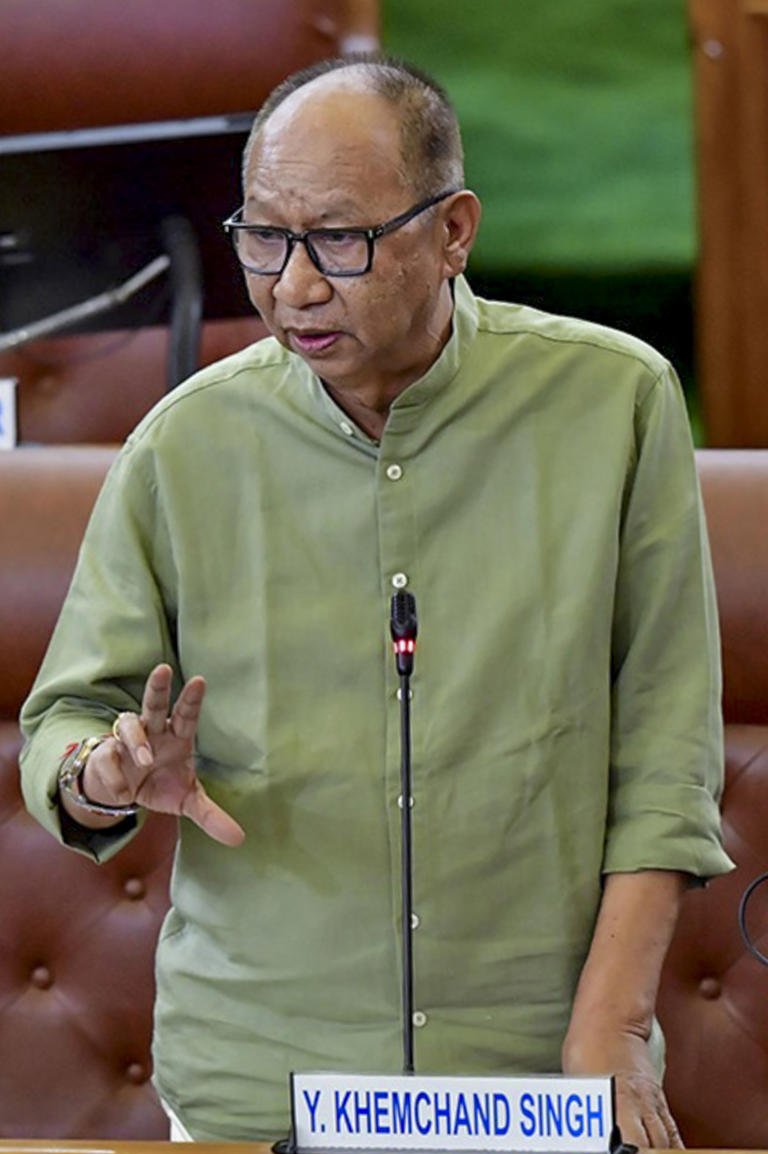
Manipur Chief Minister Y Khemchand Singh has warned contractual employees against paying money to secure regularisation of their jobs. He said employees should not fall prey to people who claim they can influence the government or arrange permanent appointments.
The warning comes amid concerns among contractual workers over their employment status. Many such employees seek regularisation and better job security after working for the government for several years.
The Chief Minister’s message aims to discourage corruption and prevent employees from becoming victims of fraudulent promises. He also stressed that any regularisation process must follow government rules and established procedures.
CM Warns Employees Against Paying Bribes
Chief Minister Khemchand Singh urged contractual employees not to pay money to anyone promising regularisation. He warned that such claims could be attempts to exploit workers seeking permanent employment.
The Chief Minister made it clear that employees should not believe individuals who claim to have special access to ministers or senior officials.
Such payments can also encourage corruption within the system. Employees who face demands for money should use official channels to raise their concerns.
Regularisation Must Follow Rules
The regularisation of contractual employees is a sensitive issue. Workers often seek permanent status because it provides greater employment security and access to benefits.
However, the government must follow applicable rules while considering such demands. Decisions on regularisation need to follow established procedures rather than individual assurances.
The Chief Minister’s warning reinforces the importance of a transparent process. Employees should rely on official notifications instead of unofficial promises.
Contractual Workers Seek Job Security
Contractual employees form an important part of government services. They work across different departments and support the delivery of public programmes and services.
Many have continued in their positions for extended periods. Their demand for regularisation often comes from concerns about job security and their future prospects.
The government faces the challenge of balancing these concerns with recruitment rules and administrative requirements. A clear policy can help reduce uncertainty among workers.
Warning Against Middlemen
The Chief Minister’s message also targets middlemen who may attempt to take advantage of employees. Such individuals can promise favourable decisions in exchange for money.
Workers can face financial losses if they trust these claims. They may also become vulnerable to further demands once they make an initial payment.
Employees should therefore verify information through their departments and official government channels. Any recruitment or regularisation decision should come through a formal process.
Need For Transparency
Transparency is important when governments deal with employment-related decisions. Clear eligibility criteria and official procedures can reduce opportunities for corruption.
A transparent process also helps employees understand whether they qualify for regularisation. It can prevent confusion caused by rumours or unofficial assurances.
Digital systems and publicly available notifications can further improve transparency. They can give employees access to reliable information without depending on intermediaries.
Corruption Can Harm Public Trust
Bribery allegations can damage public confidence in government institutions. They can also create an unfair environment where employees feel pressured to pay money for benefits they may otherwise receive through official procedures.
Strong action against corruption can help protect both employees and government departments. It can also strengthen confidence in the administration.
The Chief Minister’s warning signals the government’s intention to discourage such practices.
Employees Asked To Use Official Channels
Contractual employees with questions about regularisation should approach their respective departments. Official notifications and administrative orders remain the most reliable sources of information.
Workers should also be cautious about messages or individuals claiming that payment can guarantee a government decision.
If someone demands money in exchange for regularisation, reporting the matter to the appropriate authorities can help prevent further exploitation.
Regularisation Remains A Complex Issue
Regularising contractual employees involves several administrative and legal considerations. The government must examine issues such as eligibility, vacancies, recruitment rules and the nature of employment.
These factors can make the process more complicated than simply converting contractual positions into permanent posts.
Employees may continue to press for a solution, especially where they have served for long periods. The government will need to address their concerns while maintaining a lawful and consistent process.
Fair Process Can Protect Workers
A fair regularisation policy can provide clarity to contractual employees. It can also ensure that similarly placed workers receive equal consideration.
Clear communication from the government can reduce uncertainty and prevent misinformation from spreading.
When employees receive information directly from official sources, they are less likely to depend on middlemen. This can also reduce the scope for fraudulent activities.
Looking Ahead
Manipur Chief Minister Y Khemchand Singh’s warning against bribery sends a clear message to contractual employees seeking regularisation. Workers should not pay anyone who claims to have the power to secure permanent employment.
The government will need to ensure that any regularisation process remains transparent and follows established rules. At the same time, clear communication can help employees understand their options and eligibility.
Preventing corruption will be important for protecting workers and maintaining trust in government employment processes. For contractual employees, the key message is simple: rely on official procedures, not promises made in exchange for money.