


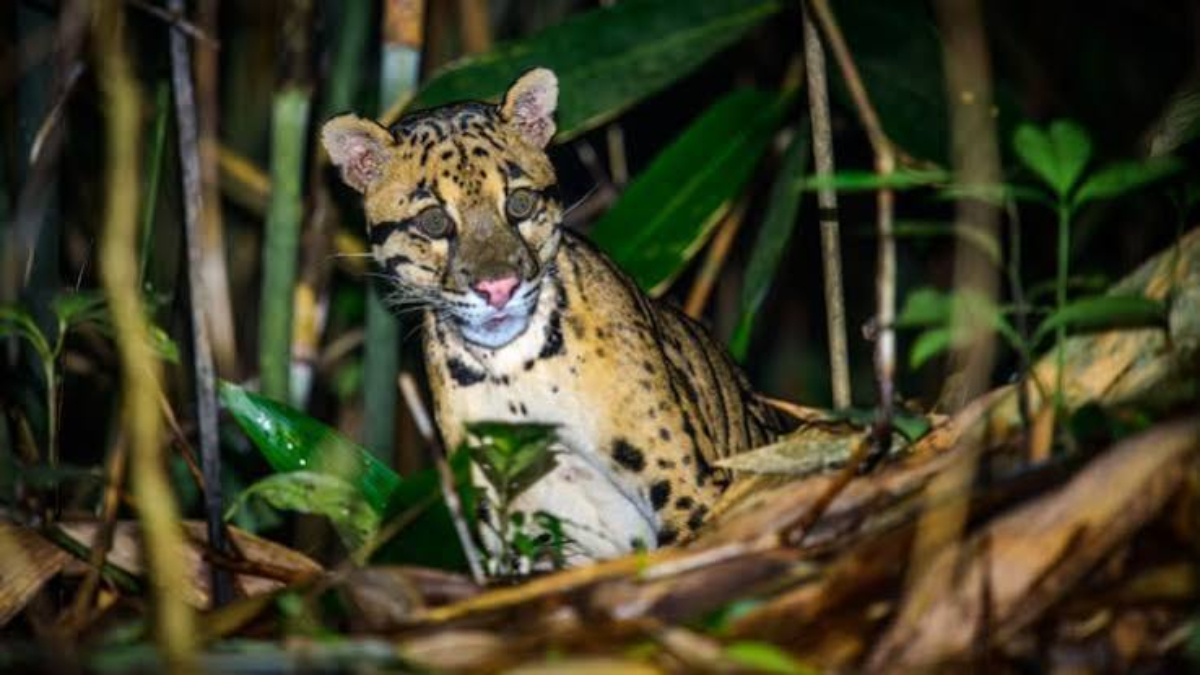
Manipur wildlife conservation has received a fresh boost with the launch of projects focused on protecting clouded leopards and vultures during the 72nd Wildlife Week. The initiative highlights the importance of safeguarding threatened wildlife, preserving natural habitats and strengthening public participation in conservation across the state.
The projects place renewed attention on two ecologically important groups of animals that face different survival challenges. While clouded leopards depend on healthy forest ecosystems, vultures play a crucial role in maintaining environmental cleanliness by feeding on animal carcasses. Their protection is therefore important for biodiversity, ecosystem stability and long-term environmental health in Manipur.
Wildlife Week also provides an opportunity for authorities, conservationists, students and local communities to discuss the threats facing wildlife and the measures required to protect it.
Clouded Leopard Protection Takes Centre Stage
The clouded leopard is among the most distinctive wild cats found in South and Southeast Asia. Recognisable by its cloud-shaped markings, the elusive animal depends on forest habitats that provide sufficient prey, shelter and space for movement.
In Manipur, protecting suitable forest landscapes is important for maintaining the ecological conditions required by this species. Habitat degradation, fragmentation and human pressure on forest resources can create challenges for wildlife that relies on large, connected natural areas.
The newly launched conservation initiative brings attention to the need for stronger protection measures for the clouded leopard. Effective conservation requires more than safeguarding individual animals. It also involves protecting forest corridors, monitoring wildlife populations and reducing activities that damage natural habitats.
Awareness programmes can help communities understand the ecological value of the species and the importance of reporting illegal hunting or other activities that threaten wildlife.
Vulture Conservation Targets a Sharp Population Decline
Vulture conservation is another major focus of the initiative. Principal Chief Conservator of Forests Anurag Bajpai said vultures, which were once found in Manipur, have become extremely rare in the wild. According to him, only four or five vultures are currently being conserved at the Manipur Zoological Garden.
The decline raises concerns about the future of these scavenging birds and their role in the ecosystem. Vultures help remove animal carcasses, limiting the accumulation of decaying organic matter and contributing to environmental health.
Protecting the remaining birds requires scientific monitoring, suitable habitats and measures to address threats affecting their survival. The newly launched project is expected to bring greater attention to the need for sustained conservation efforts and improved awareness of the species.
AI Technology to Help Combat Wildlife Trafficking
Alongside species protection, the Forest Department is exploring artificial intelligence-based technology to detect wildlife trafficking. The proposed system could help enforcement personnel identify trafficked animals and animal parts using mobile phones.
Bajpai said discussions were underway with institutions and organisations to develop software capable of scanning and identifying suspected wildlife products. If implemented effectively, the technology could support investigations and help officials respond to illegal wildlife trade.
Manipur’s international border with Myanmar and road networks connecting areas such as Moreh present enforcement challenges. Smuggling can involve multiple transport routes, making coordination among agencies important.
A recent workshop brought together police personnel, paramilitary forces, Assam Rifles, intelligence agencies, customs officials, the Airports Authority of India and airport cargo service providers to strengthen cooperation against wildlife trafficking.
Technology alone cannot eliminate the problem. Effective enforcement, intelligence sharing, public awareness and consistent monitoring will remain essential to protect vulnerable species.
Governor Calls for Stronger Habitat Protection
Governor Ajay Kumar Bhalla, addressing the Wildlife Week programme at the City Convention Centre in Imphal on October 14, called for stronger measures to protect Manipur’s forests, wetlands and wildlife habitats.
The event was organised by the Forest Department under the theme “Connecting Habitats, Thriving Wildlife.” The theme emphasises the importance of maintaining connected ecosystems so that animals can move between habitats and access food, shelter and breeding areas.
The Governor highlighted the Sangai deer, Manipur’s state animal, whose survival is closely associated with the distinctive wetland ecosystem of Keibul Lamjao National Park. He also stressed the need to protect clouded leopards, Himalayan black bears, pangolins and migratory birds, including the Amur falcon.
Deputy Chief Minister and Forest Minister Losii Dikho reaffirmed the government’s commitment to protecting critical habitats, preventing poaching, curbing illegal wildlife trade and restoring degraded ecosystems. He also emphasised the importance of linking conservation with climate resilience and sustainable forest management.
Forest Department Identifies 307 Hectares of Illegal Poppy Cultivation
Forest degradation remains another concern for wildlife protection in the state. Bajpai said the department had identified 307 hectares of land under illegal poppy cultivation and planned to destroy the crops within the following one or two weeks.
He warned that the destruction of forest areas threatens wildlife and natural habitats. The department also intends to counsel and rehabilitate villagers involved in cultivation while taking action against individuals allegedly involved in illegal activities.
The issue highlights the connection between land use and biodiversity. Forest clearance can fragment habitats, disrupt animal movement and increase pressure on wildlife populations. Addressing illegal cultivation alongside habitat restoration could therefore support broader conservation objectives.
The Wildlife Week programme also featured the release of a wildlife conservation video album and the 72nd Wildlife Week Celebration Report 2026. A book titled Mahoushagi Maithong was released, while Birds of Langol Reserve Forest: A Reckoner was presented as part of efforts to document local bird diversity.
The Manipur Zoological Garden was also congratulated on completing 50 years of service in animal welfare, scientific management and conservation education. Competitions in quizzes, painting, essay writing and photography encouraged greater public participation.
The launch of the two projects marks an important step in Manipur wildlife conservation, but their long-term impact will depend on effective implementation, scientific research and sustained community involvement. Protecting clouded leopards, restoring vulture populations and safeguarding forests will require coordinated action by government agencies, conservation organisations and local residents. Continued attention to these priorities can help preserve Manipur’s biodiversity for future generations.
Powerful Manipuri Film Fireflies in the Dark Premieres at Vancouver Festival