


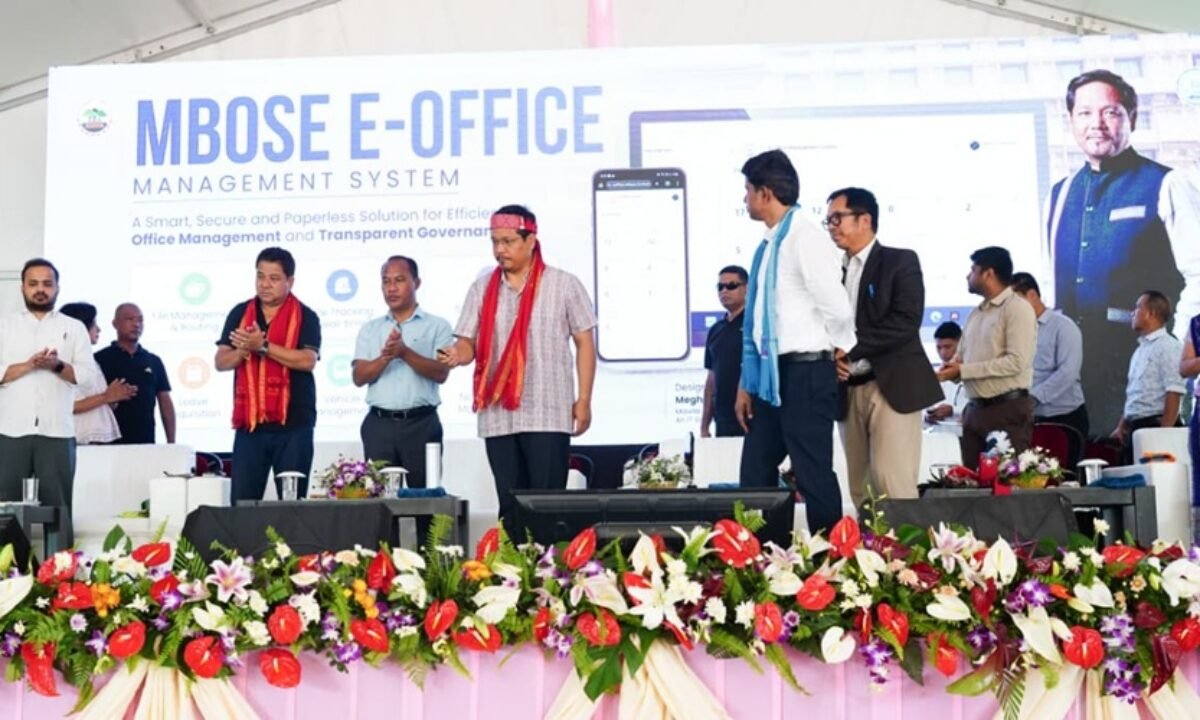
The MBOSE digital education reform Tura initiative marks a major step in modernising the education administration system in Meghalaya. The MBOSE digital education reform Tura was unveiled by Chief Minister Conrad K Sangma, introducing an e-office system for the Meghalaya Board of School Education (MBOSE) along with the deployment of 27 inspection vehicles for rural school monitoring. Additionally, the reforms aim to improve transparency, efficiency, and accessibility in the state’s education governance framework. Meanwhile, the initiative reflects a broader push toward digital transformation in public education systems.
CM Helpline rescue Meghalaya youth trafficking
Senior ACS officer bribery arrest Assam vigilance raid
Launch of E-Office System for MBOSE
The MBOSE digital education reform Tura includes the introduction of an e-office system for the state education board. The MBOSE digital education reform Tura initiative is designed to digitise administrative processes and reduce paperwork within the board’s operations. Additionally, the system enables faster file movement, improved record management, and streamlined communication. Furthermore, officials expect the platform to enhance accountability in decision-making processes. Consequently, administrative efficiency within MBOSE is expected to improve significantly.
Deployment of Rural School Inspection Vehicles
The MBOSE digital education reform Tura also includes the deployment of 27 inspection vehicles for rural schools. The MBOSE digital education reform Tura initiative aims to strengthen monitoring and evaluation of educational standards in remote areas. Additionally, inspection teams will use these vehicles to conduct regular field visits across districts. Meanwhile, this move is expected to reduce gaps in rural education oversight. Moreover, better monitoring is likely to improve infrastructure and teaching quality in underserved schools.
Strengthening Rural Education Monitoring
The MBOSE digital education reform Tura places strong emphasis on improving rural education systems. The MBOSE digital education reform Tura initiative ensures that inspection teams can reach remote schools more efficiently. Additionally, regular inspections will help identify infrastructure gaps and academic challenges. However, sustained improvement will depend on consistent implementation and feedback mechanisms. Furthermore, the initiative supports Meghalaya’s broader goal of bridging urban-rural education disparities.
Digital Governance in Education Sector
The MBOSE digital education reform Tura reflects a shift toward digital governance in the education sector. The MBOSE digital education reform Tura initiative introduces technology-driven solutions to streamline administrative workflows. Additionally, the e-office system reduces dependency on manual documentation. Meanwhile, digital records allow better tracking of policy implementation. Moreover, the transition supports long-term institutional efficiency and transparency in governance.
Impact on Students and Institutions
The MBOSE digital education reform Tura is expected to positively impact students and educational institutions across Meghalaya. The MBOSE digital education reform Tura initiative improves monitoring, which may lead to better academic outcomes in rural schools. Additionally, faster administrative processes can benefit schools in accessing approvals and resources. However, successful outcomes will depend on proper training and infrastructure support. Furthermore, the reforms aim to create a more accountable and responsive education system.
Conclusion
The MBOSE digital education reform Tura represents a significant advancement in Meghalaya’s education governance system. The MBOSE digital education reform Tura combines digital administration with strengthened rural school monitoring. Additionally, it aims to improve transparency, efficiency, and educational quality across the state. As a result, the initiative is expected to contribute to long-term improvements in school governance and student outcomes.