


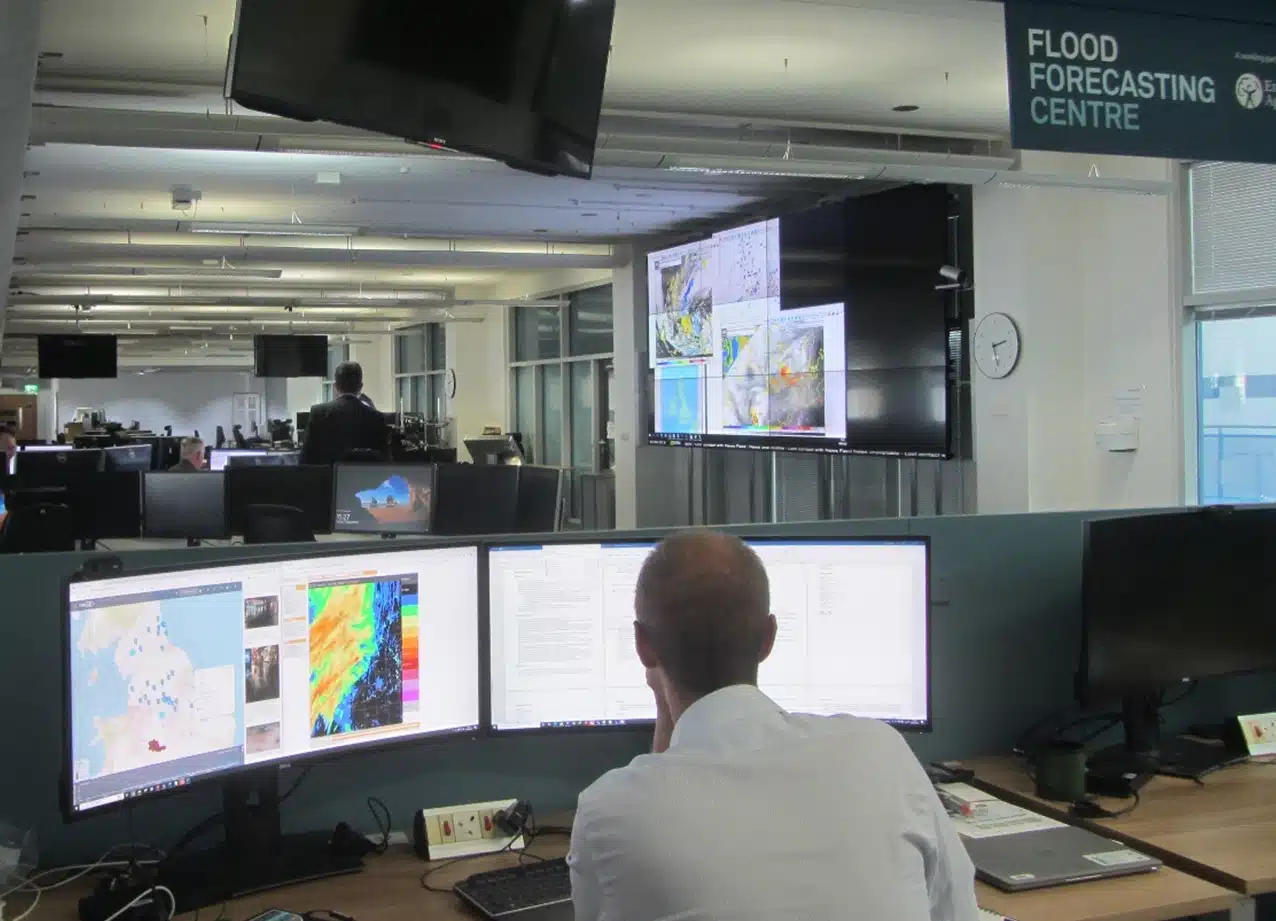
The Ministry of Development of North Eastern Region (MDoNER) has established a dedicated 24×7 flood monitoring cell to continuously monitor the worsening flood situation affecting multiple northeastern states. The round-the-clock control center, operational from July 1, aims to improve coordination, real-time data analysis, and emergency response mechanisms across the region. Moreover, officials stated that the monitoring cell will facilitate rapid information sharing between state governments, disaster management authorities, and central agencies. The initiative reflects heightened preparedness amid escalating monsoon-related challenges.
Northeast States Urge Residents to Stay Indoors Amid High-Intensity Thunderstorm Forecast
Meghalaya Honeymoon Murder Verdict Upholds Bail
Dedicated Monitoring Cell Activated for Continuous Flood Surveillance
MDoNER multi-state flood monitoring operations commenced on July 1 with the establishment of a specialized control room tasked with tracking flood conditions across the Northeast. Consequently, authorities will be able to monitor river levels, rainfall intensity, and flood progression in real time.
The dedicated monitoring cell will operate continuously to collect and analyze data from multiple states experiencing heavy monsoon activity. Moreover, advanced communication systems have been deployed to ensure timely information exchange among concerned agencies. Therefore, emergency responses can be coordinated more effectively.
Officials emphasized that real-time monitoring is crucial during periods of severe flooding. Furthermore, centralized coordination helps reduce delays in disaster response. As a result, affected populations may receive assistance more quickly.
Meanwhile, officials from various departments have been assigned to maintain uninterrupted operations at the monitoring center. Consequently, situational awareness is expected to improve significantly.
Multi-State Flood Situation Prompts Enhanced Coordination
MDoNER multi-state flood monitoring measures have been intensified due to the worsening flood conditions affecting several northeastern states. Moreover, prolonged monsoon activity has increased pressure on disaster management systems. Therefore, enhanced coordination mechanisms have become essential.
The monitoring cell will coordinate with state disaster management authorities, meteorological agencies, and emergency response teams. Consequently, information regarding flood risks, evacuation requirements, and infrastructure impacts can be shared efficiently. Such coordination is critical during large-scale emergencies.
Furthermore, authorities will monitor vulnerable districts for potential flash floods, river overflows, and landslides. As a result, precautionary measures can be implemented promptly.
Meanwhile, district administrations continue to provide field-level updates to central monitoring teams. Similarly, emergency communication networks are being reinforced.
Real-Time Data Collection to Strengthen Disaster Response
The MDoNER multi-state flood monitoring initiative places strong emphasis on real-time data collection and analysis. Moreover, accurate information is essential for effective disaster management decision-making. Therefore, multiple data sources are being integrated into the monitoring framework.
Officials stated that rainfall forecasts, hydrological information, and field reports will be continuously analyzed to assess evolving risks. Consequently, authorities can issue advisories and deploy resources more efficiently. Such systems improve disaster preparedness and response capabilities.
Furthermore, technological tools are being utilized to improve situational monitoring. As a result, decision-makers can access updated information quickly.
Meanwhile, emergency response agencies remain on standby for rapid deployment if conditions deteriorate further. Similarly, relief and rescue resources are being strategically positioned.
Focus on Protecting Lives and Critical Infrastructure
The establishment of the monitoring cell underscores the priority being given to public safety and infrastructure protection. Moreover, severe floods can disrupt transportation, communication, and essential services across multiple states. Therefore, preventive action remains a key focus.
Officials highlighted that continuous monitoring allows authorities to identify emerging threats and respond proactively. Consequently, risks to human life and critical infrastructure can be minimized. Such preparedness measures are vital during peak monsoon periods.
Furthermore, coordination with local administrations is being strengthened to ensure efficient implementation of emergency plans. As a result, disaster response operations are expected to become more effective.
Meanwhile, public advisories and weather warnings continue to be issued regularly. Similarly, emergency preparedness efforts are being expanded throughout the region.
Conclusion
The Ministry of Development of North Eastern Region’s decision to establish a dedicated 24×7 flood monitoring cell marks a significant step in managing the worsening multi-state flood situation across Northeast India. Moreover, the initiative strengthens coordination, improves situational awareness, and enhances disaster response capabilities.
The development highlights the importance of centralized monitoring and rapid communication during large-scale natural disasters. Therefore, it represents a critical component of ongoing flood management efforts.
As MDoNER continues to monitor the evolving flood situation, authorities remain focused on protecting lives, minimizing damage, and ensuring timely emergency response across the Northeast region.
FAQs
1. What has MDoNER established?
A dedicated round-the-clock multi-state flood monitoring cell.
2. When did the monitoring cell become operational?
The facility began operations on July 1.
3. What is the purpose of the monitoring cell?
To continuously monitor floods and improve emergency coordination.
4. Which agencies will coordinate with the monitoring center?
State governments, disaster management authorities, and meteorological agencies.
5. Why was the monitoring cell established?
To strengthen response mechanisms amid worsening flood conditions in Northeast India.