


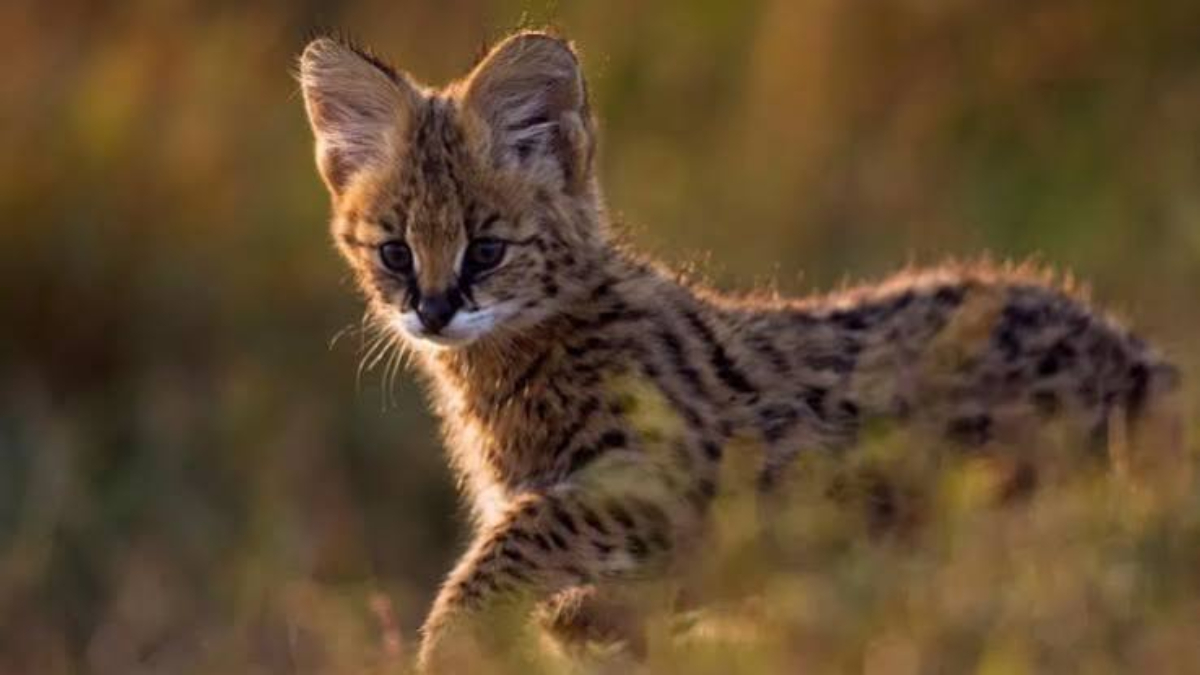
Meghalaya camera traps are being used in a major scientific conservation project to map small wild cats and other elusive mammals across the state’s forests. A total of 161 camera traps, combined with field surveys and community-based research, are helping officials build a clearer picture of wildlife distribution, habitat use and species coexistence.
The project, titled “Strengthening In-Situ Conservation of Small Cats and Other Elusive Mammals in the State of Meghalaya”, is being jointly implemented by the Meghalaya Forest and Environment Department and the Global Tiger Forum (GTF). Its long-term goal is to support a state-level wildlife atlas and a scientific conservation action plan.
Meghalaya camera traps target elusive species
Small wild cats and other lesser-known mammals are difficult to monitor because they are often nocturnal, secretive and found in dense or remote forest habitats. Direct sightings are therefore uncommon.
Officials say Meghalaya camera traps provide a scientific and non-invasive method to document these animals. The equipment can record wildlife as it moves through forests, helping researchers establish where species occur and how they use different habitats.
The 161 cameras were procured during 2020-21 to create a database on the occurrence and distribution of small cats and other elusive mammals across Meghalaya. The project is designed to look beyond simple species identification and assess patterns of habitat use and coexistence.
Surveys expand beyond camera monitoring
The conservation programme combines camera trapping with several other forms of field research. Camera-trapping work has already been completed in Balpakram National Park and adjoining Community Reserves in South Garo Hills.
Field teams have also carried out vegetation surveys and collected scat samples. They have documented direct and indirect signs of mammals, adding information that may not always be captured by cameras.
This combination of methods is important because different species leave different forms of evidence. Tracks, droppings and other signs can help researchers understand wildlife presence in areas where camera detections are limited.
The project also examines the relationship between wildlife and communities living around forest habitats.
Community participation becomes a key focus
Conservation efforts in Meghalaya increasingly involve communities that live close to forests. As part of the project, socio-economic surveys were conducted in villages bordering Balpakram National Park.
The surveys examined household conditions, dependence on forest resources and human-wildlife interactions. Understanding these factors can help conservation planners develop measures that protect wildlife while considering the needs of local communities.
Awareness programmes were also organised in South Garo Hills. These included activities at Gongrot village and Don Bosco Higher Secondary School in Baghmara.
The emphasis on awareness reflects the project’s wider approach. Officials want conservation to involve communities rather than rely only on protected-area management and enforcement.
Frontline staff receive specialised training
Strengthening the skills of frontline forest personnel is another major component of the programme. These workers are often the first to encounter tracks, scat and other signs of wildlife during routine field duties.
On September 29, the Global Tiger Forum, in collaboration with the Meghalaya Forest Department, conducted a capacity-building workshop for frontline staff in Shillong.
The training covered camera trapping, socio-economic surveys, biological sample collection, habitat and floral identification, and field-data collection. These skills are expected to improve the quality and consistency of information gathered from forests.
Better field data can also help researchers identify important wildlife habitats and understand changes in species distribution over time.
Meghalaya’s community forests hold important wildlife
The new monitoring initiative comes against the backdrop of growing scientific evidence about Meghalaya’s rich mammal diversity. Earlier research in the state’s community reserves has recorded a wide range of mammals using camera traps and field surveys.
A recent study of community-managed forests also highlighted the presence of rare carnivores, including the clouded leopard, marbled cat and Asiatic golden cat. Such findings underline the importance of landscapes outside conventional protected areas.
For this reason, the latest Meghalaya camera traps project could provide valuable information on wildlife habitats across different forest landscapes and help identify areas requiring greater conservation attention.
Data to guide future conservation
The project’s findings from Balpakram and other landscapes are expected to contribute to a state-level atlas covering small cats and other elusive mammals. The database will help officials understand species distribution, habitat preferences and interactions between different animals.
The information could eventually support targeted conservation measures, stronger monitoring and greater community participation.
For Meghalaya, the initiative represents an effort to shift wildlife conservation towards long-term, evidence-based planning. By combining Meghalaya camera traps, field surveys, biological sampling and local knowledge, the state aims to close important gaps in understanding some of its most difficult-to-study mammals. The resulting data could provide a stronger scientific foundation for protecting the forests and wildlife that make Meghalaya one of the Northeast’s important biodiversity landscapes.
Jantar Mantar Protester’s Bold Police Challenge Ends Abruptly as Detention Video Goes Viral