


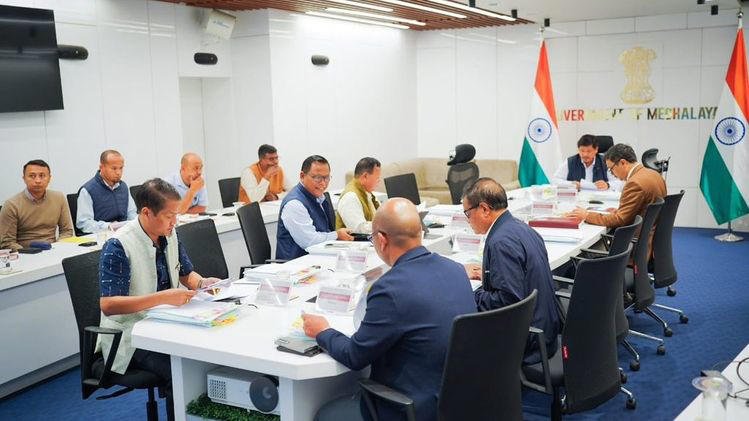
The Meghalaya government has cleared the year-long salary backlog for employees of the Garo Hills Autonomous District Council (GHADC). Officials confirmed that the move will benefit hundreds of employees, including teachers, clerical staff, and field workers, ensuring they receive their overdue payments.
The decision comes after repeated demands from council employees and trade unions who had raised concerns over delayed salaries. With this clearance, the state government aims to restore confidence among employees and maintain smooth functioning of council offices in the region.
Read More: Meghalaya Cabinet Approves Regular Jobs for 1,000 Nurses
Background of the Salary Delay
The salary backlog had persisted for over a year due to administrative bottlenecks and delays in fund allocation from the state government to the GHADC. Employees had reportedly faced financial hardships, with some struggling to meet household expenses and obligations.
GHADC officials had repeatedly requested the state government to release pending funds. The Meghalaya Finance Department reviewed the situation and approved the release of arrears to clear pending payments. Chief Minister Conrad K. Sangma emphasized the importance of ensuring that employees receive their salaries on time to maintain their morale and efficiency.
Steps Taken by the Meghalaya Government
The government directed its finance and administrative departments to expedite the release of funds. Payment schedules were prepared to cover all pending salaries, including arrears for overtime, allowances, and special duty payments.
State officials coordinated with GHADC to verify employee lists, calculate pending amounts, and ensure that the released funds reach the rightful beneficiaries. According to reports, salaries were credited to employees’ bank accounts within days of approval.
Impact on Garo Hills Council Employees
The clearance of the salary backlog is expected to have an immediate positive impact on employees. Teachers can focus on educational duties without worrying about unpaid wages, clerical staff can manage administrative work more efficiently, and field staff can continue development projects without disruption.
Trade union leaders welcomed the move, describing it as a “relief” and an acknowledgment of the employees’ long-standing contributions. Several employees expressed gratitude to the government, noting that the payment will help them settle debts, pay utility bills, and manage household expenses.
Strengthening Administrative Efficiency
Officials highlighted that clearing the backlog will strengthen administrative efficiency in Garo Hills. With salaries disbursed, employees are likely to be more motivated to perform their duties. Timely wage payments are also expected to improve coordination between council departments and state authorities, ensuring smoother implementation of development projects.
The GHADC Chairperson praised the government’s decision, stating that it will help maintain employee satisfaction and reduce grievances. They emphasized that addressing financial delays is crucial for retaining experienced staff and maintaining the council’s operational efficiency.
Broader Implications for Meghalaya
This initiative reflects the state government’s commitment to the welfare of council employees and financial transparency. Clearing pending salaries demonstrates a proactive approach to governance, helping build trust between employees and administrative authorities.
Experts believe that timely salary payments also contribute to regional stability, as financial stress among employees can affect service delivery in remote areas. The government’s move ensures that development projects, education initiatives, and public welfare schemes in Garo Hills continue without interruptions caused by staff dissatisfaction.
Challenges Addressed by the Government
The backlog had created several challenges for the GHADC, including reduced employee morale, delayed project implementation, and increased pressure on council offices. By resolving these delays, the government has mitigated potential disruptions in public service delivery.
Finance officials noted that coordinating salary payments across different departments required careful planning. They had to verify records, calculate arrears accurately, and ensure no employee was left out. The successful clearance reflects strong administrative coordination between the state government and GHADC offices.
Employee Reactions and Feedback
Employees have expressed satisfaction with the government’s decision. Teachers reported that they can now focus on classroom responsibilities without worrying about financial issues. Clerical and administrative staff said the payment would help them plan household expenses better.
Trade unions have called for a mechanism to ensure timely salary disbursement in the future. They suggested periodic audits and coordination between the GHADC and state finance department to prevent similar delays. The government has assured employees that steps will be taken to maintain regular payment schedules.
Moving Forward
The Meghalaya government plans to implement measures to avoid future salary backlogs. Officials mentioned that regular monitoring, streamlined fund allocation, and timely administrative approvals would ensure employees receive their payments on schedule.
Authorities also emphasized that clearing the backlog is part of a broader effort to improve governance and public service delivery in the Garo Hills region. By addressing employee grievances, the government aims to maintain trust and encourage workforce dedication.
The clearance of the year-long Garo Hills council salary backlog marks a significant achievement for the Meghalaya government. It addresses employee grievances, enhances administrative efficiency, and strengthens public trust in governance.
Employees in Garo Hills can now focus on their professional responsibilities without financial stress, while the government demonstrates its commitment to timely payment and effective administration. This move is expected to improve morale, support smooth functioning of the council, and ensure uninterrupted delivery of public services across the region.
The initiative highlights the importance of financial discipline and administrative coordination, showing that timely wage payments are essential for maintaining a motivated workforce and promoting efficient governance in Meghalaya.
Read More: Mamata Banerjee Proposes Mangrove Planting in North Bengal