


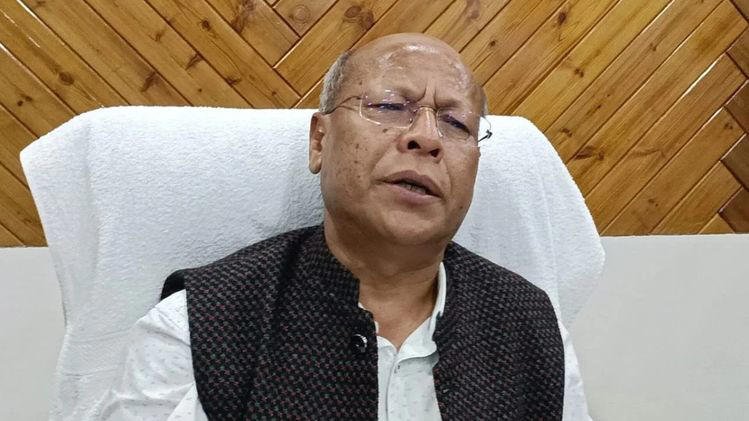
Meghalaya is witnessing renewed discussions on the 2014 peace pact between the state government and former militant groups. Nearly 11 years after the agreement, ex-militants have expressed concerns that several key commitments remain unfulfilled. These delays have prompted debates on the effectiveness of the pact and the long-term prospects for sustainable peace in the state.
Read More: Nagaland governor reviews Kohima–Dimapur highway progress
Revisiting the 2014 peace pact
The 2014 peace pact marked a historic moment in Meghalaya’s efforts to bring insurgency under control. The agreement involved former militant groups laying down arms in exchange for rehabilitation, development packages, and political engagement. While the initial years saw relative stability, the current revisitation highlights unresolved issues and unmet expectations.
Ex-militants stated that while the government initiated several welfare schemes, progress has been slow in implementing infrastructure projects, employment opportunities, and reintegration programs. They argue that the delay in fulfilling these commitments risks undermining trust and discouraging active participation in peace-building efforts.
Key areas of concern
One of the major concerns cited by ex-militants is the delay in implementing skill development and employment programs for those who surrendered arms. Many former combatants hoped to gain livelihoods through government-backed initiatives, but inconsistencies in execution have left some struggling to secure stable income.
Additionally, infrastructure development in former conflict zones remains incomplete. Roads, bridges, and community facilities that were promised as part of rehabilitation efforts are still pending in certain areas. Ex-militants emphasized that fulfilling these commitments is critical for long-term social and economic stability.
Government response and initiatives
State officials acknowledged that while significant progress has been made since 2014, certain logistical and administrative challenges have contributed to delays. Authorities assured that monitoring committees are reviewing pending commitments and prioritizing key areas for action.
Officials also highlighted that coordination among multiple departments has sometimes slowed execution. They emphasized ongoing efforts to streamline project implementation and ensure that ex-militants receive promised benefits, including skill training, financial assistance, and access to public services.
Impact on peace and security
The revisitation of the 2014 peace pact comes at a time when security agencies are emphasizing the importance of maintaining stability in Meghalaya. While overall insurgency levels have reduced, lingering dissatisfaction among ex-militants could potentially affect regional security.
Security experts noted that unresolved commitments may create gaps in trust between former militants and the government. Strengthening communication channels and delivering on promised initiatives are therefore essential to sustaining peace and preventing a resurgence of unrest.
Role of community and civil society
Civil society organizations and local community leaders have also been actively involved in monitoring the implementation of the 2014 peace pact. They have advocated for timely execution of rehabilitation programs and greater transparency in project delivery.
Community representatives emphasized that engaging former militants in dialogue and decision-making processes fosters mutual understanding and ensures accountability. Local NGOs have been facilitating vocational training, educational programs, and social reintegration activities to complement government initiatives.
Lessons from the past decade
Reviewing the past 11 years since the pact, several lessons emerge. Ex-militants stress that sustainable peace requires not only disarmament but also consistent follow-through on social and economic commitments.
Government officials concur that successful conflict resolution depends on addressing both immediate security concerns and long-term development needs. They noted that proactive monitoring, timely execution, and stakeholder engagement are key to preventing frustration and maintaining trust.
Current discussions and way forward
Recent meetings between ex-militants, government officials, and community representatives focused on identifying pending commitments and devising a concrete timeline for completion. Both parties expressed a willingness to cooperate, provided that deadlines are realistic and resources are allocated efficiently.
The dialogue also emphasized creating mechanisms for regular updates and accountability. Ex-militants suggested establishing a dedicated committee to track the progress of pending projects and report to both the state government and community stakeholders.
Broader implications for Meghalaya
The revisitation of the 2014 peace pact is more than a reflection on past agreements; it signals the state’s ongoing commitment to resolving insurgency issues through dialogue and development. Completing pending commitments can strengthen trust, encourage civic participation, and enhance Meghalaya’s image as a region committed to peace.
Experts noted that lessons from Meghalaya’s experience can serve as a model for other northeastern states dealing with similar challenges. Prioritizing timely execution, transparent governance, and community engagement is crucial to sustaining long-term stability.
Nearly 11 years after the historic 2014 peace pact, Meghalaya faces the challenge of fulfilling pending commitments to former militants. Addressing delays in employment, infrastructure, and rehabilitation initiatives is essential to maintaining trust, stability, and regional security.
The revisitation of the pact underscores the importance of consistent follow-through, proactive monitoring, and collaborative engagement between ex-militants, government agencies, and civil society. By ensuring timely implementation, Meghalaya can reinforce the credibility of its peace efforts and provide a strong foundation for lasting stability.
With sustained attention to pending commitments, active participation from communities, and focused government action, the state can continue to promote peace, reconciliation, and inclusive development for all residents.
Read More: CRPF 112 battalion cleanliness drive unites Kangpokpi community