


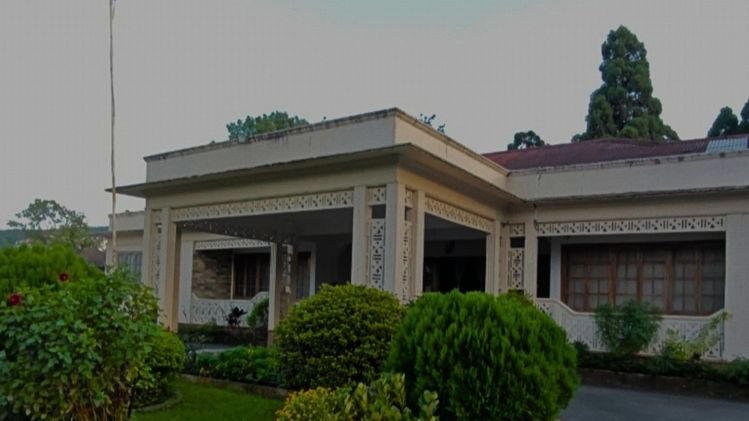
The Meghalaya High Court has brought closure to the long-standing Bidhan Bhavan heritage case after the Public Works Department (PWD) agreed to install a memorial bust at the site, marking a significant development in efforts to preserve and commemorate the historical legacy associated with the former legislative building. The court’s decision comes after authorities assured that appropriate measures would be taken to honor the site’s historical importance while addressing concerns raised regarding heritage preservation.
The case had drawn considerable public attention over the years, reflecting broader discussions about the protection of historically significant structures and the importance of preserving collective memory. With the agreement now in place, the court expressed satisfaction that meaningful steps were being taken to recognize the heritage value of the site and ensure that its historical significance would continue to be remembered.
The development has been welcomed by those who advocated for preserving the legacy of the former Bidhan Bhavan, viewing the decision as a balanced resolution that acknowledges both developmental needs and heritage concerns.
Historical Significance of Bidhan Bhavan
Bidhan Bhavan occupies an important place in Meghalaya’s political and administrative history. For many years, it served as a central institution associated with legislative activities and democratic governance in the state.
The building became closely linked with significant events, policy decisions, and milestones in Meghalaya’s development journey. As a result, many citizens, historians, and heritage advocates regarded the structure as more than just a physical building; it symbolized an important chapter in the state’s political evolution.
Over time, concerns emerged regarding the preservation of the site’s historical legacy, particularly as urban development and infrastructure modernization projects gained momentum. These concerns ultimately contributed to legal discussions surrounding the future of the site and the need to ensure that its historical importance was not overlooked.
The recent resolution reflects recognition of the role such landmarks play in preserving institutional memory and public history.
Heritage Preservation and Public Interest
The Bidhan Bhavan case highlighted a broader debate that many regions face regarding the balance between development and heritage conservation. As cities expand and infrastructure requirements evolve, governments are often required to make difficult decisions involving older structures with historical significance.
Advocates for heritage preservation argued that historical sites serve as tangible reminders of a community’s past and contribute to cultural identity. They emphasized that preserving historical memory is essential for future generations to understand the state’s institutional and democratic journey.
At the same time, authorities must address practical considerations related to urban planning, infrastructure development, and public service delivery. The challenge often lies in finding solutions that respect historical significance while accommodating contemporary needs.
The agreement reached in this case is being viewed as an effort to strike that balance through symbolic commemoration and recognition of heritage value.
PWD’s Commitment to Install a Memorial Bust
A key factor in the court’s decision to close the matter was the assurance provided by the Public Works Department regarding the installation of a memorial bust at the site. The proposed memorial is intended to serve as a lasting tribute to the historical importance of Bidhan Bhavan and its role in Meghalaya’s democratic development.
Officials indicated that the memorial will help preserve public awareness of the site’s legacy while creating a focal point for remembrance and reflection. Memorials of this nature often serve educational and cultural purposes by encouraging citizens to engage with local history.
The commitment by the PWD demonstrated a willingness to address concerns raised during the proceedings and provide a meaningful form of recognition. The court viewed this assurance as a constructive step toward preserving historical memory.
The installation is expected to ensure that the significance of the former legislative site continues to be acknowledged even as development activities move forward.
Court’s Observations and Resolution
The Meghalaya High Court’s decision reflects its satisfaction with the assurances provided by the authorities. By agreeing to establish a memorial, the government demonstrated its commitment to acknowledging the site’s heritage value while implementing its development plans.
Judicial interventions in heritage-related matters often seek to ensure that public authorities adequately consider historical and cultural concerns when making decisions affecting significant landmarks. In this instance, the court concluded that the proposed measures would sufficiently address the issues raised in the case.
The closure of the proceedings marks the end of a legal process that attracted attention from various stakeholders interested in heritage preservation and public memory.
Observers noted that the outcome underscores the importance of dialogue and cooperation in resolving issues involving both development and conservation interests.
Importance of Preserving Collective Memory
Heritage preservation extends beyond the protection of physical structures. It also involves safeguarding the stories, experiences, and historical narratives associated with important sites and institutions.
The decision to install a memorial bust reflects an understanding that preserving collective memory can take multiple forms. Even when structural preservation is not always possible or practical, commemorative initiatives can help ensure that significant historical contributions are not forgotten.
Educational institutions, historians, cultural organizations, and government agencies often play important roles in promoting awareness of local history and encouraging public engagement with heritage. Memorials can contribute to these efforts by serving as visible reminders of important historical milestones.
In the context of Meghalaya, preserving memories associated with Bidhan Bhavan is viewed as an important aspect of honoring the state’s democratic and administrative heritage.
Balancing Development and Conservation
The resolution of the Bidhan Bhavan case highlights the ongoing challenge of balancing development objectives with heritage conservation. As cities grow and infrastructure requirements evolve, governments frequently encounter situations where historical considerations intersect with modernization efforts.
Experts often argue that successful urban development strategies should incorporate mechanisms for preserving cultural and historical identity. This can include adaptive reuse of buildings, memorialization initiatives, documentation projects, and public awareness campaigns.
The approach adopted in this case demonstrates how symbolic recognition can serve as a practical compromise when competing priorities must be addressed. By acknowledging heritage concerns through a memorial installation, authorities aim to maintain continuity with the past while facilitating future development.
The outcome may serve as a useful example for addressing similar issues in other contexts.
Public Response and Significance
The court’s decision and the PWD’s commitment have generated interest among citizens who followed the case. Many view the installation of a memorial bust as a meaningful gesture that recognizes the contributions of the former legislative institution and preserves its place in public memory.
The resolution also reinforces the idea that heritage preservation can coexist with developmental aspirations when approached thoughtfully and collaboratively. Public institutions play an important role in ensuring that progress does not come at the expense of historical awareness.
The decision is expected to contribute positively to ongoing discussions about cultural heritage, historical preservation, and responsible urban development within Meghalaya.
Looking Ahead
With the Meghalaya High Court closing the Bidhan Bhavan heritage case, attention now shifts to the implementation of the memorial project and the broader effort to preserve historical awareness. The installation of a memorial bust is expected to provide a lasting tribute to a site that played an important role in the state’s democratic history.
The outcome reflects a balanced approach that acknowledges both heritage concerns and development priorities. By ensuring that the legacy of Bidhan Bhavan remains visible and accessible to future generations, authorities have taken a step toward preserving an important chapter of Meghalaya’s institutional journey.
As the state continues to modernize and expand, the case serves as a reminder that progress and heritage preservation need not be opposing goals. Through thoughtful planning and meaningful commemoration, communities can honor their past while confidently moving toward the future.