


Introduction
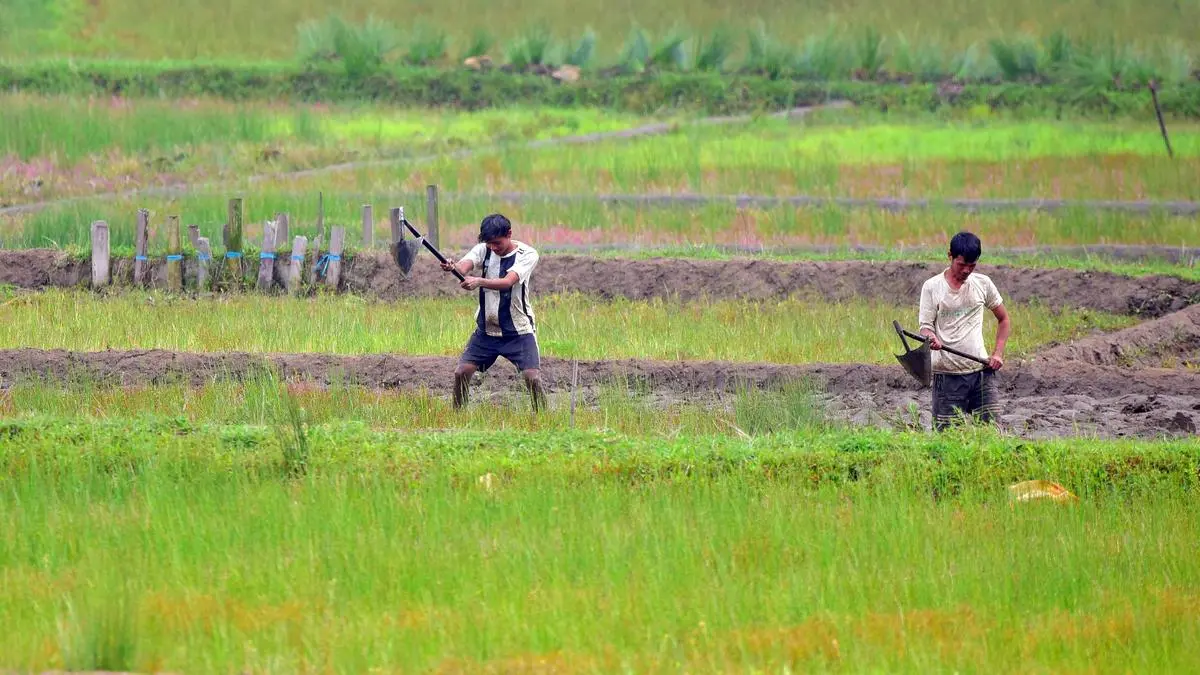
The Meghalaya alternative crop plan has been launched to help farmers cope with the state’s unusually dry July season. Following a significant monsoon rainfall deficit, the government initiated contingency measures to promote climate-resilient agriculture and reduce potential crop losses.
Tripura CM Manik Saha Slams CPI(M) Over Criticism of Healthcare Reforms
BJP Delegation Reviews MSME Allied Scheme Audit with Sikkim Commerce Department
Government Introduces Contingency Crop Strategy
The Meghalaya alternative crop plan focuses on helping farmers adapt to reduced rainfall through suitable crop alternatives. Consequently, agriculture officials have begun implementing contingency measures designed to improve resilience during the ongoing dry spell.
Moreover, the government is coordinating with local agricultural departments to identify crop varieties that require less water and are better suited to prevailing weather conditions.
The initiative aims to minimise the impact of the rainfall deficit on farm productivity.
Support for Local Farmers
The Meghalaya alternative crop plan provides farmers with guidance on alternative cultivation practices and drought-responsive farming methods. Furthermore, extension teams are assisting cultivators with technical advice to help them manage changing climatic conditions.
Meanwhile, authorities continue to monitor weather patterns and assess field conditions so that support measures can be adjusted whenever necessary.
The programme seeks to strengthen agricultural resilience across affected areas.
Focus on Climate Adaptation
The Meghalaya alternative crop plan forms part of the state’s broader response to the ongoing rainfall shortage. In addition, officials are encouraging efficient water management and climate-smart farming practices to improve long-term sustainability.
As a result, the contingency strategy aims to protect rural livelihoods while reducing the risk of significant crop losses during the dry season.
Conclusion
The Meghalaya alternative crop plan reflects the state’s proactive response to the dry July conditions by introducing contingency farming strategies for local cultivators. Through alternative crop options, technical support, and climate-resilient agricultural practices, the government aims to help farmers navigate the current weather challenges and safeguard agricultural production.
FAQs
1. Why did Meghalaya launch an alternative crop plan?
The government introduced the plan to help farmers cope with the dry July season and reduced monsoon rainfall.
2. Who will benefit from the initiative?
Farmers across affected areas of Meghalaya.
3. What does the contingency plan include?
It promotes alternative crops, climate-resilient farming practices, and technical guidance for cultivators.
4. Why are alternative crops being encouraged?
They can help reduce the impact of low rainfall and improve farm resilience during dry conditions.
5. Are officials monitoring the situation?
Yes. Agricultural authorities continue to assess weather and field conditions to guide further support measures.
6. What is the main objective of the programme?
To protect agricultural production and support farmers during the ongoing rainfall deficit.