


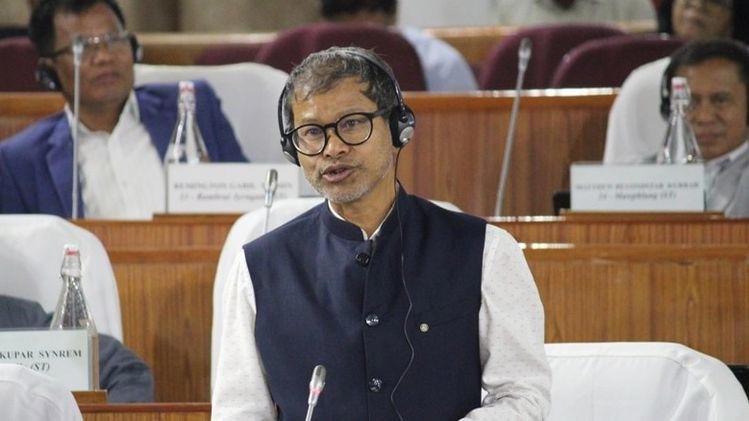
A Meghalaya minister has highlighted the infrastructure challenges facing the higher education sector in Northeast India, stressing that significant improvements are needed to achieve the region’s educational aspirations. The minister noted that while the Northeast has made notable progress in expanding access to higher education, infrastructural limitations continue to hinder the growth and competitiveness of educational institutions.
Speaking at an education-focused event, the minister emphasized that universities and colleges across the region require enhanced infrastructure, modern facilities, and greater financial support to meet the evolving demands of students and the broader economy. The remarks have renewed attention on the need for sustained investments in the education sector, particularly in states where geographical and logistical challenges often complicate development efforts.
The issue is increasingly important as the Northeast seeks to strengthen its role in India’s knowledge economy and provide quality educational opportunities for its growing youth population.
Infrastructure Remains a Major Challenge
The minister pointed out that inadequate infrastructure remains one of the most significant obstacles to higher education development in the Northeast. Many institutions continue to face challenges related to academic buildings, laboratory facilities, student accommodation, libraries, and digital infrastructure.
In several areas, educational institutions operate under constraints that affect both teaching and research activities. Limited access to modern equipment and specialized facilities can impact the quality of education and reduce opportunities for advanced learning.
The minister stressed that improving infrastructure is essential not only for enhancing educational standards but also for attracting talented students and faculty members. Modern campuses and well-equipped institutions can play a vital role in improving academic outcomes and strengthening institutional reputation.
According to education experts, infrastructure development forms the foundation for sustainable growth in the higher education sector and directly influences student experiences and research capabilities.
Need for Greater Investment in Educational Institutions
A key concern raised during the discussion was the need for increased investment in higher education infrastructure. The minister argued that sustained financial support is necessary to modernize institutions and address existing gaps.
Many universities and colleges in the Northeast have witnessed rising student enrollment over the years. However, infrastructure expansion has not always kept pace with growing demand. As a result, institutions often face challenges in accommodating students and providing adequate academic resources.
The minister emphasized that targeted investments can help create modern learning environments that support innovation, research, and skill development. Upgrading existing facilities and establishing new infrastructure can also improve access to quality education in underserved areas.
Such investments, he noted, would contribute to long-term socio-economic development by strengthening human capital across the region.
Digital Connectivity and Technology Gaps
Digital infrastructure emerged as another major concern highlighted by the minister. While technology has become an essential component of modern education, several institutions in the Northeast continue to face connectivity challenges.
Reliable internet access, digital classrooms, and online learning platforms are increasingly important for academic success. However, geographical factors and infrastructure limitations often affect the availability and quality of digital services in certain areas.
The minister stated that bridging the digital divide should be a priority for policymakers and educational institutions. Enhanced connectivity can improve access to learning resources, facilitate research collaborations, and support innovative teaching methods.
The experience of online education during recent years has further underscored the importance of strong digital infrastructure in ensuring continuity and accessibility in higher education.
Research and Innovation Require Better Facilities
Research and innovation are essential components of a robust higher education ecosystem. However, the minister noted that many institutions in the Northeast face difficulties in developing research capabilities due to infrastructure limitations.
Advanced laboratories, research centers, and specialized equipment are often necessary for conducting high-quality research. Without adequate facilities, institutions may struggle to compete with leading universities in other parts of the country.
The minister stressed that strengthening research infrastructure can help unlock the region’s intellectual potential and contribute to national development. Improved facilities could encourage greater participation in scientific research, technology development, and innovation-driven initiatives.
Support for research activities can also help address local challenges and generate solutions tailored to the unique needs of the Northeast.
Addressing Geographical Challenges
The Northeast’s unique geography presents additional challenges for higher education development. Hilly terrain, remote locations, and transportation constraints can increase the cost and complexity of infrastructure projects.
The minister acknowledged these difficulties while emphasizing the need for tailored approaches that account for regional realities. Infrastructure planning, he said, must consider the specific needs of institutions located in diverse geographical settings.
Improved transportation networks, better connectivity, and coordinated development efforts can help overcome some of these challenges. Collaboration between state governments, the Centre, and educational institutions will be crucial in ensuring successful outcomes.
Despite these obstacles, the minister expressed confidence that strategic investments and policy support can significantly improve educational infrastructure across the region.
Supporting Students and Faculty
Infrastructure development is not limited to academic facilities alone. The minister highlighted the importance of creating supportive environments for students and faculty members.
Hostels, residential facilities, recreational spaces, and healthcare services are important components of a modern educational ecosystem. Such facilities can improve student well-being and enhance the overall campus experience.
Faculty members also benefit from improved infrastructure, including research facilities, professional development opportunities, and access to academic resources. Strong institutional support can help attract and retain talented educators, thereby improving educational quality.
The minister emphasized that investments in people and infrastructure must go hand in hand to achieve meaningful progress in higher education.
Importance of Collaboration and Policy Support
Addressing infrastructure challenges will require collaboration among multiple stakeholders. The minister called for stronger partnerships between governments, educational institutions, industry leaders, and development agencies.
Policy support at both state and national levels can help accelerate infrastructure development and improve resource allocation. Public-private partnerships may also play a role in financing and implementing projects aimed at strengthening higher education facilities.
The minister noted that collaborative efforts can help institutions access expertise, funding, and technological resources necessary for modernization. Such partnerships can contribute to the creation of a more resilient and competitive education ecosystem.
Looking Ahead
The concerns raised by the Meghalaya minister highlight the critical role of infrastructure in advancing Northeast higher education. While the region has made significant strides in expanding educational opportunities, substantial challenges remain in ensuring that institutions possess the facilities needed to support excellence in teaching, research, and innovation.
Addressing infrastructure gaps will require sustained investment, policy support, and collaborative action from all stakeholders. Improved campuses, stronger digital connectivity, advanced research facilities, and better student services can help transform the educational landscape of the Northeast.
As governments and institutions work toward these goals, the focus will remain on creating a higher education system capable of meeting future demands and empowering the next generation of students. Strengthening infrastructure today will be essential for ensuring that the Northeast emerges as a vibrant hub of learning, research, and innovation in the years ahead.