


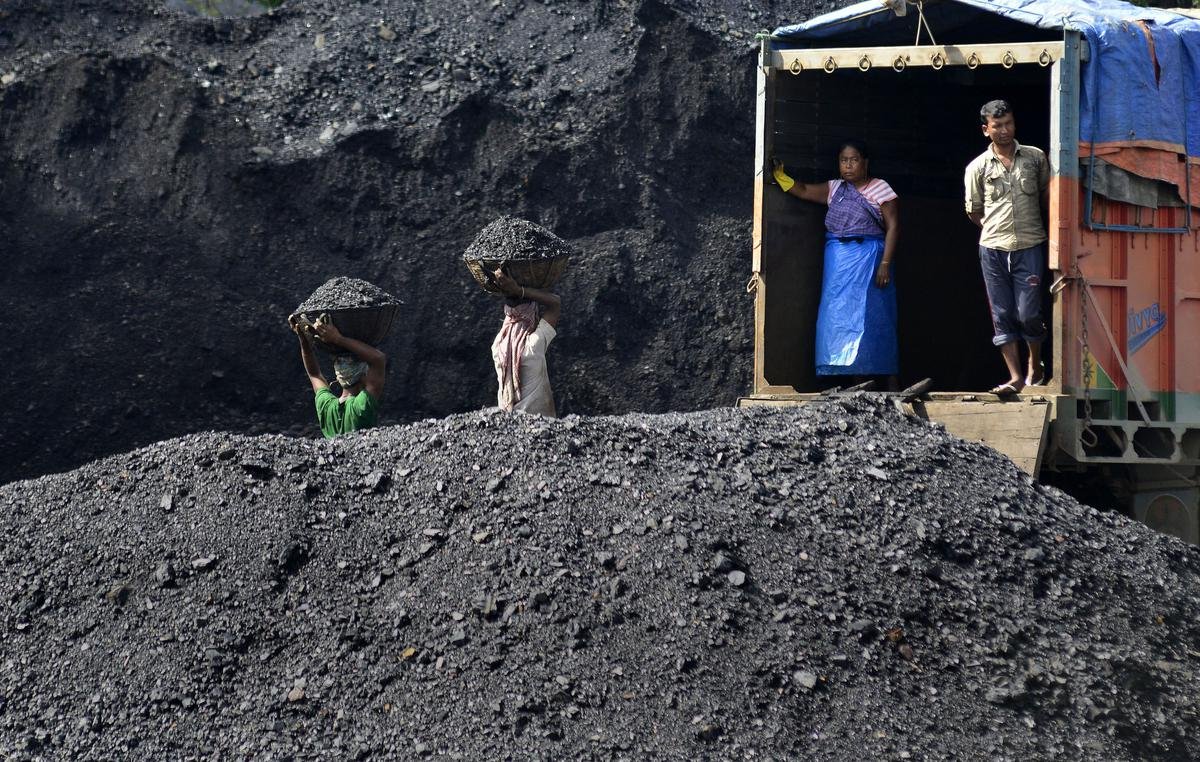
The Meghalaya High Court has expressed serious concern after nearly 4,000 tonnes of coal allegedly illegally mined disappeared from depots in Rajaju and Diengngan villages. In a recent statement, Excise Minister Kyrmen Shylla suggested the coal may have been washed away by the state’s heavy rainfall.
High Court Intervention for Coal
The coal stocks had been officially inventoried—1,839.03 MT at Diengngan and 2,121.62 MT at Rajaju. Yet, ground counts found only 2.5 MT and 8 MT, respectively—raising red flags about enforcement failures. The Justice (Retd) BP Katakey Committee’s 31st interim report informed the court of these startling discrepancies.
The court has directed the state government to identify the individuals or officials responsible and take swift action, including filing FIRs under the Mines and Minerals (Development and Regulation) Act, 1957.
Minister’s Rain Coincidence Claim
Minister Kyrmen Shylla defended his explanation by referencing Meghalaya’s status as one of India’s wettest states, suggesting monsoon floods could have carried the coal into Assam or even Bangladesh downstream. However, he admitted there was no conclusive evidence supporting this theory, acknowledging that the disappearance could also stem from illegal activity.
Shylla emphasized that monitoring agencies must ensure strict compliance with legal coal transport and mining operations.
Government Accountability & Auction Delays
The High Court flagged additional issues:
- – Delayed auctions of inventoried coal at Coal India depots.
- – Audit of coke oven plants and mismatched transport documents.
- – Status on 21 public claims of missing coal not matching UAV survey data. Only one was considered valid.
FIRs have been lodged in Rajaju, Diengngan and South Garo Hills, but authorities have not provided updates on investigations or accountability outcomes.
Upcoming Court Deadline
The Meghalaya High Court has scheduled the next hearing for August 25, 2025, and directed copies of the committee’s 31st interim report be circulated to all relevant stakeholders. The court anticipates clear updates on enforcement measures, audit outcomes and steps taken against public complaints.