


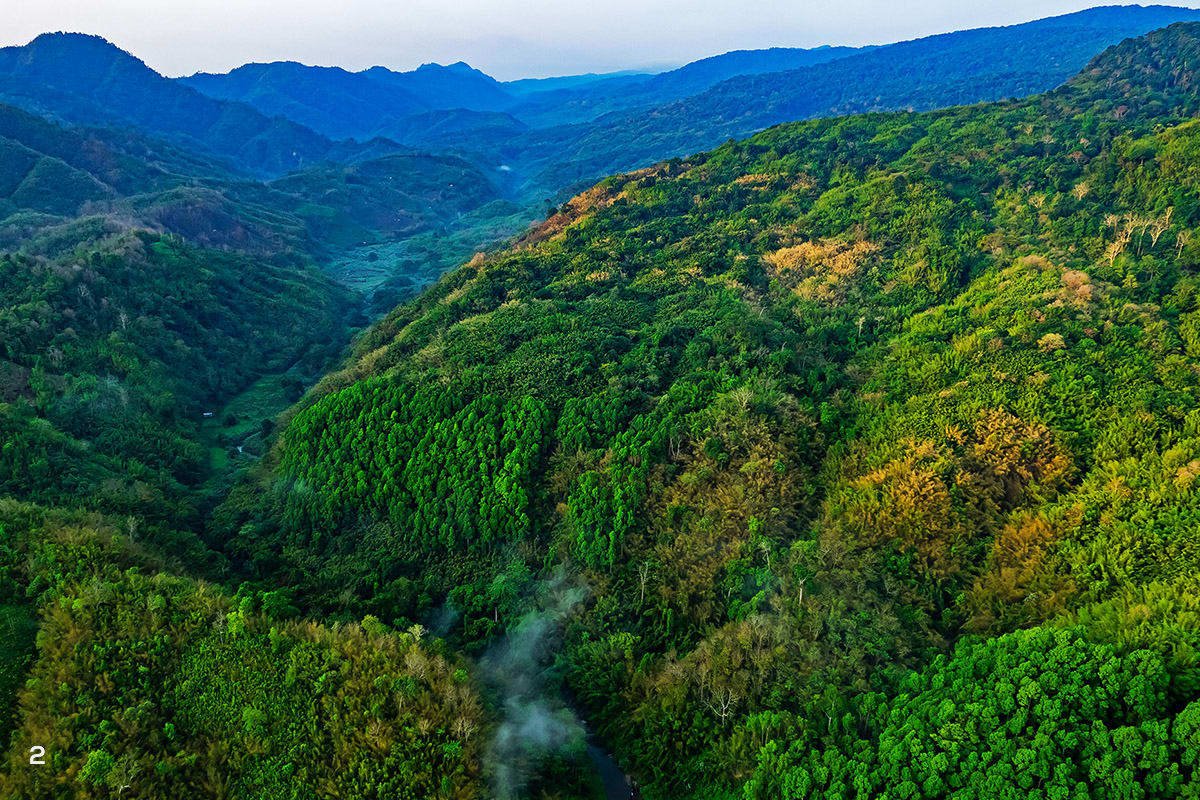
Mizoram is strengthening its sustainable tourism plans through eco-tourism circuits that connect protected forests, wildlife habitats and natural attractions. The state’s identified routes include the Dampa Circuit, which links Dampa Tiger Reserve with three wildlife sanctuaries, and the Murlen Circuit, which includes Tawi Wildlife Sanctuary. These plans offer a framework for nature-based tourism while highlighting the importance of biodiversity conservation and community participation. A recent cooperation initiative between the Tourism Department and the Environment, Forests and Climate Change Department has also renewed attention on environmentally responsible tourism development across the state.
Manipur Toxic Liquor Tragedy Triggers Urgent Probe
Mizoram’s Eco-Tourism Plans Cover Protected Areas
Mizoram has considerable potential for nature-based tourism because of its forests, hills, wetlands and wildlife habitats.
The state government’s Environment, Forests and Climate Change Department has identified three major eco-tourism circuits. These routes connect several protected areas and natural attractions across different districts.
The circuits include Dampa, Murlen and Phawngpui. Together, they provide a framework for visitors to explore Mizoram’s natural landscapes while supporting conservation-focused tourism.
However, the routes appear in earlier government planning documents. Therefore, they represent established eco-tourism proposals rather than newly announced circuits in November 2026.
President Murmu to Attend Hornbill Festival
Dampa Circuit Connects Four Protected Areas
The Dampa Circuit focuses on the western part of Mizoram and connects four protected areas.
The proposed route includes:
- Dampa Tiger Reserve
- Thorangtlang Wildlife Sanctuary
- Pualreng Wildlife Sanctuary
- Khawnglung Wildlife Sanctuary
Dampa Tiger Reserve forms the central attraction of this circuit. Located in Mamit district, it covers an extensive forest landscape with hills, valleys and streams.
The reserve provides habitat for several wildlife species, including tigers, leopards, elephants, hoolock gibbons, macaques and barking deer. It also supports diverse birdlife, including hornbills and other forest-dwelling species.
The route could help visitors explore multiple wildlife habitats through a connected tourism experience. At the same time, responsible visitor management would remain essential to protect sensitive forest areas.
Tawi Sanctuary Features in the Murlen Circuit
Tawi Wildlife Sanctuary forms part of the proposed Murlen Circuit rather than the Dampa Circuit.
The government-identified route connects four natural destinations:
- Tamdil Wetland
- Tawi Wildlife Sanctuary
- Lengteng Wildlife Sanctuary
- Murlen National Park
This circuit offers a combination of wetland, forest and wildlife experiences in eastern Mizoram.
Tawi Wildlife Sanctuary covers approximately 35 square kilometres and falls within the Aizawl Wildlife Division. Meanwhile, Murlen National Park and Lengteng Wildlife Sanctuary add further biodiversity attractions to the route.
The connected destinations could support nature trails, wildlife observation and educational visits. Nevertheless, tourism activities must follow conservation requirements and applicable forest regulations.
Government Identifies Three Eco-Tourism Circuits
Mizoram’s eco-tourism framework extends beyond Dampa and Tawi.
The third identified route is the Phawngpui Circuit. It connects Pala Wetland, Tokalo Wildlife Sanctuary, Ngengpui Wildlife Sanctuary and Phawngpui National Park.
These three circuits collectively highlight the state’s diverse natural attractions.
The government has also recognised the importance of developing tourism facilities around protected areas. However, individual destinations require proper assessments before authorities expand visitor activities.
A preparatory survey conducted for biodiversity conservation in Mizoram also highlighted the need to examine the potential of identified eco-tourism locations. It noted that some sites already have tourist facilities, while others require further assessment.
Such planning can help authorities balance visitor access with habitat protection.
Tourism and Forest Departments Strengthen Cooperation
A recent development on November 19, 2026, highlighted cooperation between Mizoram’s Tourism Department and Environment and Forest Department.
Tourism Minister Lalnghinglova Hmar spoke about the importance of sustainable development and environmental protection during a programme at McCabe Hall, Aijal Club, Aizawl.
He highlighted Mizoram’s extensive forest cover and the need to protect its natural resources while developing tourism.
The minister also referred to cooperation between the two departments through a memorandum of understanding aimed at supporting tourism development.
This approach could provide an institutional basis for environmentally responsible tourism initiatives. However, the available announcement does not confirm a new Dampa or Tawi circuit launch, construction schedule or dedicated project budget.
Community Participation Remains Important
Sustainable tourism can create opportunities for people living near natural attractions.
Local residents can participate through homestays, transport services, food businesses, guiding services and small tourism enterprises.
These activities can help villages earn additional income while introducing visitors to local traditions and landscapes.
Mizoram’s tourism strategy also places emphasis on community-based tourism. Government initiatives include tourism-adopted villages and support for community homestays.
However, wildlife destinations require additional safeguards. Authorities and tourism operators must manage waste, restrict disturbance to animals and follow protected-area regulations.
Training local guides and informing visitors about responsible behaviour can also improve tourism standards.
Balancing Tourism Growth With Wildlife Conservation
Eco-tourism development requires more than connecting destinations through travel routes.
Authorities must assess road access, accommodation, visitor facilities, safety arrangements and ecological sensitivity before expanding tourism activities.
Wildlife sanctuaries and tiger reserves also operate under conservation rules. Therefore, tourism projects must respect permitted activities and restrictions within protected areas.
Careful planning can help reduce pressure on fragile habitats. It can also ensure that tourism benefits local communities without compromising biodiversity.
Mizoram’s identified circuits provide a foundation for this approach. Further surveys, infrastructure planning and departmental coordination will determine how these routes develop.
Conclusion
Mizoram’s eco-tourism framework highlights the potential of connecting protected forests, wetlands and wildlife destinations through sustainable travel routes. The Dampa Circuit links Dampa Tiger Reserve with three wildlife sanctuaries, while the Murlen Circuit includes Tawi Wildlife Sanctuary. Although these routes were identified in earlier government plans, recent cooperation between the Tourism and Forest departments has renewed attention on responsible tourism development. Future progress will depend on ecological assessments, suitable facilities and meaningful participation from local communities.
FAQs
1. Which eco-tourism circuits has Mizoram identified?
Mizoram has identified the Dampa, Murlen and Phawngpui eco-tourism circuits.
2. Which protected areas are included in the Dampa Circuit?
The Dampa Circuit connects Dampa Tiger Reserve, Thorangtlang Wildlife Sanctuary, Pualreng Wildlife Sanctuary and Khawnglung Wildlife Sanctuary.
3. Is Tawi Wildlife Sanctuary part of the Dampa Circuit?
No. Tawi Wildlife Sanctuary forms part of the Murlen Circuit.
4. Which destinations are included in the Murlen Circuit?
The route connects Tamdil Wetland, Tawi Wildlife Sanctuary, Lengteng Wildlife Sanctuary and Murlen National Park.
5. Why is Mizoram promoting eco-tourism?
Eco-tourism can support local livelihoods, encourage responsible travel and raise awareness about biodiversity conservation.
6. Have the Dampa and Tawi circuits been newly launched in 2026?
The routes appear in earlier government planning documents. The recent departmental cooperation does not confirm a new circuit launch.