


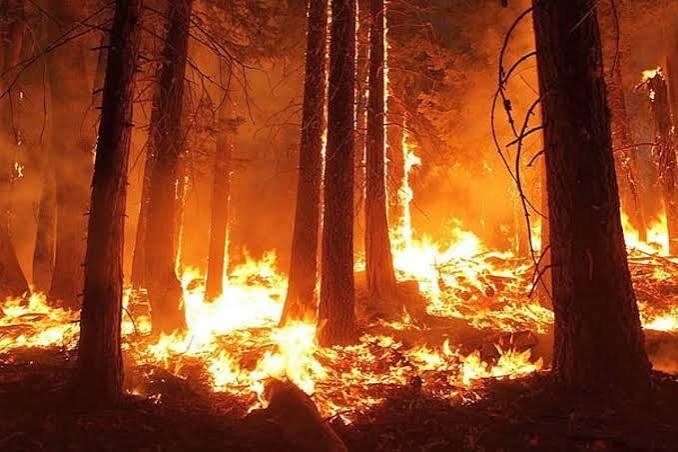
Mizoram wildfire mitigation framework is being strengthened as the Forest Department prepares for the upcoming dry season and the associated risk of forest fires. The department is focusing on early preparedness, field monitoring, community participation and rapid response.
Mizoram’s forest landscape remains highly vulnerable to fires during prolonged dry periods. Moreover, shifting cultivation, burning of vegetation and accidental fires can increase the pressure on forests and nearby communities.
The department’s preparedness measures are intended to reduce fire incidents and limit damage when fires occur. Therefore, officials are placing greater emphasis on prevention rather than relying only on emergency response after a fire starts.
Major Breakthrough: Chakhesang Youth Agitation Ends After Nagaland Forest Department Settlement
Mizoram Wildfire Mitigation Framework Focuses on Early Preparedness
The Mizoram wildfire mitigation framework places early preparation at the centre of the state’s fire-management approach. Forest officials generally intensify monitoring before dry conditions become severe because prevention can reduce the scale of later emergencies.
Mizoram has extensive forest cover across hilly terrain. Consequently, fires can spread quickly when vegetation becomes dry and weather conditions favour combustion. Difficult terrain can also make it harder for firefighting teams to reach affected locations.
The Forest Department’s preparedness work therefore includes identifying vulnerable areas and maintaining communication between field personnel. Such coordination can help officials respond more quickly when local fire alerts emerge.
Additionally, awareness among communities remains an important component. People living close to forest areas can identify smoke or flames earlier than distant response teams. Prompt reporting can consequently give firefighters more time to contain an incident.
The department’s approach also reflects the seasonal nature of the threat. Fire risk usually increases when rainfall declines and vegetation dries out. Therefore, preparations undertaken before the dry period can play an important role in reducing avoidable fires.
Dry Season Raises Forest Fire Risks Across Mizoram
The Mizoram wildfire mitigation framework comes at a time when dry-season conditions can create significant pressure on forests. Mizoram’s topography, vegetation and dependence on land-based activities make fire prevention particularly important.
Jhum or shifting cultivation remains an important livelihood practice in several parts of the state. Farmers traditionally clear vegetation through controlled burning as part of the cultivation cycle. However, fires can escape intended areas under dry and windy conditions.
As a result, officials have repeatedly emphasised careful management of agricultural fires. Burning during unsuitable weather can allow flames to spread into surrounding vegetation.
Furthermore, accidental fires can originate near roads, settlements and agricultural areas. Once vegetation dries, even a small ignition source can develop into a larger forest fire.
Climate variability can add another layer of uncertainty. Longer dry periods and higher temperatures can increase the amount of dry vegetation available as fuel. However, the exact fire risk depends on several factors, including rainfall, wind speed, humidity, vegetation conditions and human activity.
The Forest Department therefore needs regular field-level assessments rather than relying on a single seasonal forecast.
Forest Monitoring and Rapid Response Remain Priorities
The Mizoram wildfire mitigation framework also depends on early detection and rapid response. Forest fires can become considerably more difficult to control after spreading across steep or inaccessible terrain.
Field staff can play a crucial role in monitoring vulnerable forest areas. Regular patrols and local reporting networks can help identify fires before they expand.
Technology can also support these efforts. Satellite-based fire alerts and other remote-sensing systems can help authorities identify potential fire locations over large areas. Such information can then guide field teams towards affected zones.
However, satellite alerts alone cannot replace ground verification. Cloud cover, small fires and differences in detection capability can affect remote observations. Therefore, combining technology with local knowledge can provide a more reliable warning system.
Communication is equally important. Once a fire is identified, officials need to share information quickly with nearby teams and local authorities. A coordinated response can prevent duplication and ensure that available personnel and equipment reach the most urgent locations.
Moreover, protecting personnel remains essential during firefighting operations. Forest fires can change direction quickly because of wind and terrain. Consequently, teams require proper training and safety procedures while working in affected areas.
Community Participation Strengthens Fire Prevention
The Mizoram wildfire mitigation framework cannot depend entirely on the Forest Department. Community participation is particularly important in a state where villages and agricultural areas are closely connected with forest landscapes.
Local residents can support prevention by reporting fires quickly and avoiding unsafe burning practices. Village-level awareness programmes can also help communities understand how weather conditions influence fire behaviour.
Traditional knowledge can complement official forest-management systems. Local communities often understand terrain, vegetation and seasonal conditions in their areas. Bringing that knowledge into fire-prevention planning can improve the effectiveness of local responses.
At the same time, authorities need to communicate practical precautions clearly. General warnings have limited value unless residents understand what actions they should take during periods of elevated fire risk.
Schools, village councils, community organisations and local administration can also contribute to awareness campaigns. Repeated messaging before and during the dry season can help reduce careless burning.
Additionally, community participation can improve reporting. Residents who understand the importance of early alerts are more likely to notify officials when they see smoke or fire near forest areas.
Such cooperation can create a stronger first line of defence. Instead of waiting for a fire to become visible across a large area, local reporting can trigger intervention at an earlier stage.
Mizoram Needs Stronger Prevention During Dry Conditions
The Mizoram wildfire mitigation framework highlights the importance of preparedness as the state approaches its drier months. Prevention becomes particularly important when forests contain large quantities of dry leaves, grass and other combustible material.
Forest management can reduce fire risks by maintaining appropriate fire lines and removing or managing combustible vegetation in vulnerable locations. Such measures need regular maintenance because vegetation can quickly return after the rainy season.
Authorities can also identify areas where previous fires occurred. Repeated fire locations may require additional monitoring because similar environmental or human factors can increase the likelihood of another incident.
Meanwhile, weather information can help determine periods of particularly high risk. When rainfall remains low and temperatures rise, authorities can intensify patrols and community warnings.
Agricultural burning also requires careful attention. Farmers can reduce the risk of uncontrolled fires by following locally prescribed precautions and avoiding burning during strong winds or extremely dry conditions.
However, fire prevention must also recognise the livelihood needs of rural communities. Effective policies should combine safety measures with practical alternatives and guidance rather than relying only on restrictions.
Long-Term Fire Management Requires Better Coordination
The Mizoram wildfire mitigation framework can provide a foundation for longer-term forest protection, but its effectiveness will depend on coordination between departments and communities.
The Forest Department cannot address every source of wildfire risk independently. Agriculture, disaster management, district administration, village authorities and local communities can all influence prevention and response.
Therefore, information-sharing mechanisms can help authorities coordinate their actions. Fire alerts, weather updates, field reports and community observations should reach relevant officials quickly.
Training is another important component. Regular exercises can help response teams understand their roles before a major fire occurs. Furthermore, maintaining equipment and communication systems before the dry season reduces the risk of delays during an emergency.
The state can also use past fire data to identify recurring patterns. Mapping previous incidents may reveal areas where prevention efforts should receive greater attention.
Long-term planning should also consider changing climate conditions. If dry spells become more frequent or intense, existing fire-management practices may require periodic revision.
At the same time, protecting forests has wider environmental significance. Mizoram’s forests support biodiversity, soil stability and water systems. Preventing large and repeated fires can therefore protect ecosystems beyond the immediate area of a fire.
Conclusion
The Mizoram wildfire mitigation framework places greater emphasis on preparedness as the state approaches the dry season. Early monitoring, rapid reporting, community participation and coordinated response can help reduce the risk of large forest fires.
Mizoram’s hilly terrain and extensive forest areas make accessibility a major consideration during emergencies. Therefore, preventing fires and detecting them early can be more effective than relying solely on large-scale firefighting operations.
Community cooperation will remain equally important. Safe agricultural practices, timely reporting and local awareness can reduce the chances of fires spreading beyond their original locations.
Ultimately, sustained coordination between the Forest Department, local authorities and communities will determine how effectively Mizoram manages its seasonal wildfire risk.
FAQs
What is the Mizoram wildfire mitigation framework?
The Mizoram wildfire mitigation framework refers to preparedness and prevention measures aimed at reducing forest-fire risks through monitoring, early detection, community participation and coordinated response.
Why does wildfire risk increase during Mizoram’s dry season?
Dry weather reduces moisture in vegetation and creates more combustible material. Strong winds can then help fires spread rapidly across forested and hilly areas.
How can communities help prevent forest fires?
Communities can avoid unsafe burning, follow local precautions and report smoke or fires to authorities as soon as possible. Early reporting can significantly improve response times.
Can satellite technology help detect forest fires?
Yes. Satellite-based fire alerts can identify potential fire locations over large areas. However, field verification remains important because remote sensing has limitations.
Why is early wildfire preparation important in Mizoram?
Early preparation allows authorities to identify vulnerable areas, check equipment, coordinate personnel and strengthen community awareness before fire conditions become more severe.