


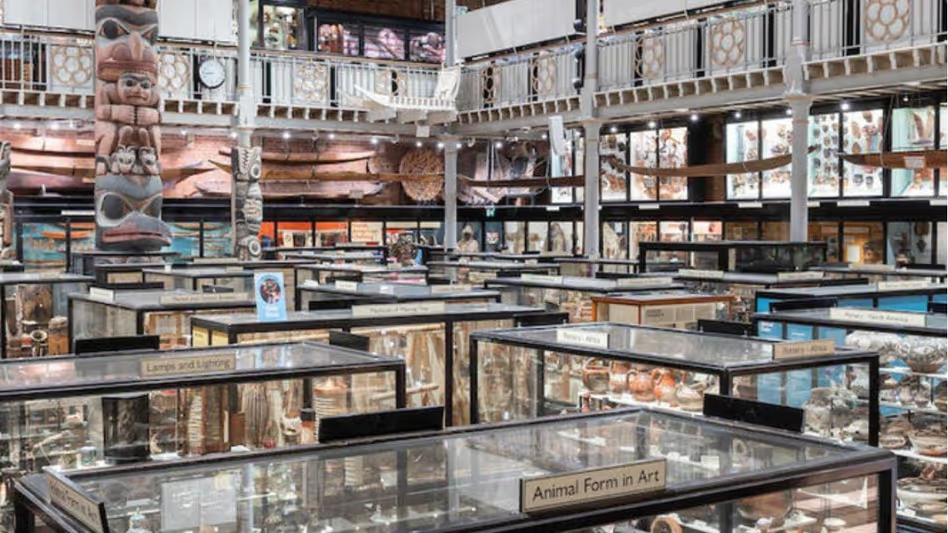
Nagaland is preparing for the historic return of 39 Naga ancestral human remains held at the University of Oxford’s Pitt Rivers Museum in the United Kingdom. The repatriation follows a six-year process involving Naga tribal organisations, elders, researchers and the Forum for Naga Reconciliation (FNR). A delegation led by tribal Hoho representatives left for Oxford on November 6, 2026, to formalise the handover. The return will mark an important moment for Naga communities seeking to restore the dignity of their ancestors and address a painful chapter of colonial history. A public homecoming ceremony is expected after the formal procedures conclude.
Indigenous Sports in Manipur Get Major Push from CM Khemchand
Naga Delegation Travels to Oxford for Handover
A delegation led by Naga tribal Hoho representatives departed for Oxford on November 6.
The Forum for Naga Reconciliation confirmed the journey in a statement issued ahead of the formal handover.
The delegation will complete the necessary procedures with the University of Oxford and the Pitt Rivers Museum.
The university’s council approved the return of 39 ancestral human remains on July 13, 2026.
The decision followed years of discussions and consultations involving Naga communities and representatives.
The FNR has facilitated the process since 2020. Its Recover, Restore and Decolonise team has also supported research and community engagement.
The forum has described the return as a collective effort led by Naga tribal Hoho organisations.
Oxford Museum to Return 39 Ancestral Remains
The 39 ancestral remains currently form part of the Pitt Rivers Museum’s collection at the University of Oxford.
Most of the remains are skulls that entered the collection during the colonial period.
Historical records identify British administrators and anthropologists John Henry Hutton and James Philip Mills among those who brought Naga ancestral remains to Oxford.
Their collection activities largely took place between approximately 1910 and 1940.
The museum has acknowledged that colonial collecting practices were often connected with unequal power structures.
Some remains were reportedly taken during punitive military expeditions rather than through voluntary donations.
The return therefore represents more than a museum transfer.
For Naga communities, it is an effort to restore ancestral dignity and reconnect the remains with their homeland and cultural traditions.
The university approved the return of 39 remains. However, it declined to return one additional item because its Naga provenance was unclear.
Six-Year Repatriation Process Reaches Important Stage
The repatriation process began in 2020 after the Pitt Rivers Museum removed human remains from public display.
That decision opened discussions between the museum and Naga representatives.
The Forum for Naga Reconciliation subsequently facilitated conversations with tribal elders and community organisations.
In 2021, the forum established its Recover, Restore and Decolonise team to support the process.
The team conducted participatory research and engaged with Naga communities across different areas.
A major development followed in June 2025 when a Naga delegation visited Oxford.
Representatives of several tribal Hohos, elders and members of the FNR and RRaD team participated in the visit.
The delegation received access to the ancestral remains and held prayers and cultural observances.
The visit also led to the Naga-Oxford Declaration on Repatriation on June 13, 2025.
The declaration expressed a shared commitment to bringing the ancestors home and providing them with a dignified resting place.
Naga-Oxford Declaration Emphasises Healing and Unity
The Naga-Oxford Declaration established an important foundation for the repatriation effort.
It reflected a united position among participating tribal Hohos and the Forum for Naga Reconciliation.
The declaration recognised the ancestors as witnesses to Naga history and cultural identity.
It also acknowledged the need to restore their connection with the homeland.
Furthermore, the document described repatriation as a process of healing and reconciliation.
Naga representatives committed to providing the ancestors with a dignified rest.
They also expressed solidarity with Indigenous communities worldwide pursuing the return of ancestral remains and cultural belongings.
The declaration remains an important reference for the ongoing process.
FNR Plans Public Homecoming After Formal Handover
The Forum for Naga Reconciliation has stated that a public homecoming will follow the completion of official procedures.
The forum said further details would be shared after the formal handover arrangements.
The exact arrival date and transport arrangements therefore remain subject to confirmation.
Earlier reports had indicated that the remains could reach Nagaland between November 13 and 15.
However, the final schedule depended on transport arrangements and coordination between the organisations involved.
The remains may require special arrangements for their journey from Kolkata to Nagaland.
The FNR has stressed that the process involves collective participation from Naga tribal organisations.
It has also described the homecoming as an opportunity for historical reflection, healing and reconciliation.
Naga Organisations Raise Questions Over Repatriation Process
The planned handover has also faced questions from the Federal Government of Nagaland.
The organisation reportedly asked the University of Oxford to suspend the proposed transfer and review the process.
Its November 4 representation raised concerns about the authority and procedures involved in securing the return.
The FGN questioned the basis on which the repatriation claim had been made.
These concerns emerged shortly before the Naga delegation departed for Oxford.
The development highlights differing views among Naga organisations over representation and the process.
Meanwhile, the FNR maintains that tribal Hoho leaders are guiding the repatriation effort.
The issue adds another layer to an already significant historical and cultural process.
Ancestral Return Marks a Significant Moment for Naga Heritage
The return of the 39 ancestral remains carries deep cultural and historical significance.
For many Naga communities, the remains represent relatives and ancestors separated from their homeland during the colonial period.
Their return offers an opportunity to restore dignity and acknowledge the history surrounding their removal.
The process also encourages younger generations to understand their heritage and historical experiences.
Moreover, the planned dignified resting place is intended to symbolise healing and unity.
The initiative reflects the importance of community-led decisions in matters involving Indigenous heritage.
As the formal handover approaches, Naga organisations and communities await further details about the homecoming arrangements.
Conclusion
Nagaland is approaching an important moment in its efforts to bring 39 ancestral human remains home from Oxford’s Pitt Rivers Museum. A delegation led by tribal Hoho representatives left for the United Kingdom on November 6 to formalise the return. The University of Oxford approved the repatriation in July 2026 after a process that began in 2020. The FNR has said a public homecoming will follow the completion of official procedures. The return represents an effort to restore ancestral dignity, preserve Naga heritage and support healing across generations.
FAQs
1. How many Naga ancestral remains will return from Oxford?
The University of Oxford approved the return of 39 Naga ancestral human remains.
2. Where are the remains currently held?
They are held at the Pitt Rivers Museum at the University of Oxford in the United Kingdom.
3. When did the Naga repatriation process begin?
The dialogue and community engagement process began in 2020.
4. Who is facilitating the repatriation process?
The Forum for Naga Reconciliation and its Recover, Restore and Decolonise team have facilitated the process alongside Naga tribal Hoho organisations.
5. When will the ancestral remains reach Nagaland?
The final arrival date depends on the formal handover and transport arrangements. Earlier reports suggested November 13–15, 2026.
6. Why is the repatriation important for Naga communities?
It aims to restore ancestral dignity, reconnect the remains with their homeland and support historical reflection and cultural healing.