


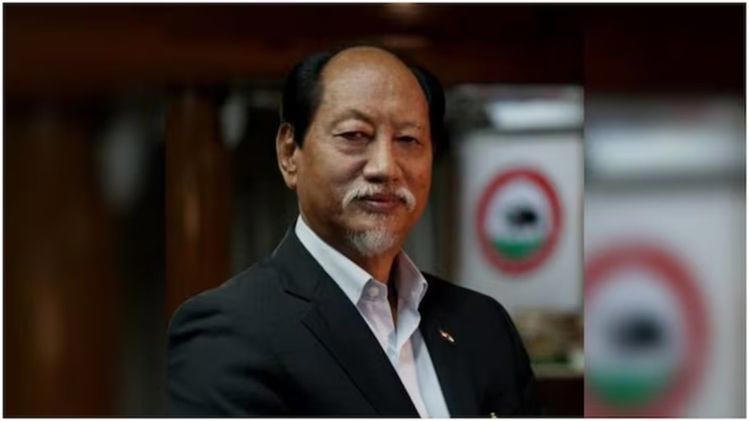
Nagaland Chief Minister Neiphiu Rio has said that the Nagaland indigenous inhabitants register will remain on hold until the court delivers its final verdict. He assured that any future action by the state government will be fair, just, and respectful of the concerns raised by all communities. The Chief Minister’s statement came after the issue triggered debates about identity verification, inclusion, and community rights in the state.
The proposed register aims to officially identify indigenous inhabitants of Nagaland to ensure that the benefits of state policies reach the rightful groups. However, questions about eligibility, documentation, and the implementation process led to legal and public scrutiny. With the case currently pending in court, the government has chosen to maintain a neutral stance and wait for judicial clarity before moving forward.
Read More: Kangpokpi’s Oasis College Celebrates Campus Spirit with Chillax 25
Background of the indigenous inhabitants register
The concept of the Nagaland indigenous inhabitants register emerged as part of a broader effort to preserve the identity and rights of local communities. The initiative intends to create an official list of citizens recognized as indigenous to Nagaland based on their ancestry and lineage. It is designed to help ensure equitable access to government benefits, jobs, and welfare schemes that are meant for indigenous people.
However, the idea also sparked controversy. Some community organizations and citizens expressed concern that the process could exclude certain groups who have lived in the state for generations but lack historical records or proof of origin. Others argued that it was necessary to protect local populations and prevent outsiders from taking undue advantage of state resources.
As the debate intensified, several petitions were filed in the court challenging aspects of the verification process. The judiciary’s decision to examine the matter led the government to suspend all related activities until further notice.
Chief Minister’s assurance of justice and inclusion
Chief Minister Neiphiu Rio made it clear that the government will not take any steps that could harm social unity or marginalize any community. He emphasized that the state administration will fully respect the court’s judgment before resuming any process related to the register. His statement reflects the government’s intention to strike a balance between protecting indigenous rights and maintaining peace among different groups in the state.
Rio also highlighted that the government has consistently followed due process in sensitive matters related to community rights and identity. He assured that once the court delivers its verdict, the administration will consult stakeholders, community leaders, and civil society organizations before implementing any policy. The Chief Minister underlined that Nagaland’s diversity is its strength, and any decision must protect that spirit of harmony.
Balancing identity, legality, and harmony
The Nagaland indigenous inhabitants register represents a complex issue at the intersection of identity, legality, and governance. While the intention behind it is to safeguard indigenous rights, the implementation process requires careful handling. The Chief Minister’s measured response shows that the government is aware of the sensitivity involved.
Identity verification in a diverse state like Nagaland is challenging because of overlapping histories and movement of people across regions. Many families migrated or intermarried across communities over time, making it difficult to define indigenous identity in strict terms. Officials say that creating a fair framework will require detailed consultations and an inclusive definition that respects both history and present realities.
The state government’s decision to wait for the court’s ruling helps prevent unnecessary tension. It also ensures that the final process, whenever it resumes, will be based on clear legal guidance and community consensus.
Voices from the community
Many citizens have welcomed the government’s decision to keep the register on hold until the court’s decision. Community groups believe this pause will allow more discussion and input from all sections of society. Several organizations have requested the government to adopt a transparent and participatory approach if the register is revived in the future.
On the other hand, some groups urge the government to move forward once the legal issues are resolved. They argue that defining indigenous status is necessary to preserve Nagaland’s cultural identity and protect its socio-economic rights under Article 371(A) of the Constitution. The challenge lies in finding a balanced solution that satisfies both perspectives.
The way forward
The Nagaland government remains committed to acting within the framework of law and fairness. According to officials, once the court gives its verdict, the government will review the findings and make necessary policy decisions. The administration plans to involve experts, tribal bodies, and social representatives in the decision-making process to ensure fairness.
Chief Minister Neiphiu Rio’s assurance comes at a crucial time when questions about inclusion and indigenous identity are shaping public conversations in the state. By promising transparency and adherence to legal norms, the government aims to build trust among all communities.
The issue of the Nagaland indigenous inhabitants register highlights the importance of balancing tradition and progress. Protecting indigenous rights remains vital, but it must not come at the cost of social harmony. The Chief Minister’s statement signals a careful approach that prioritizes unity, legality, and fairness.
As Nagaland awaits the court’s verdict, the government’s decision to pause the register process reflects a commitment to democratic governance and justice. Once the legal clarity arrives, the next steps will determine how the state defines and protects the identity of its indigenous people while ensuring that every resident feels included in its future.