


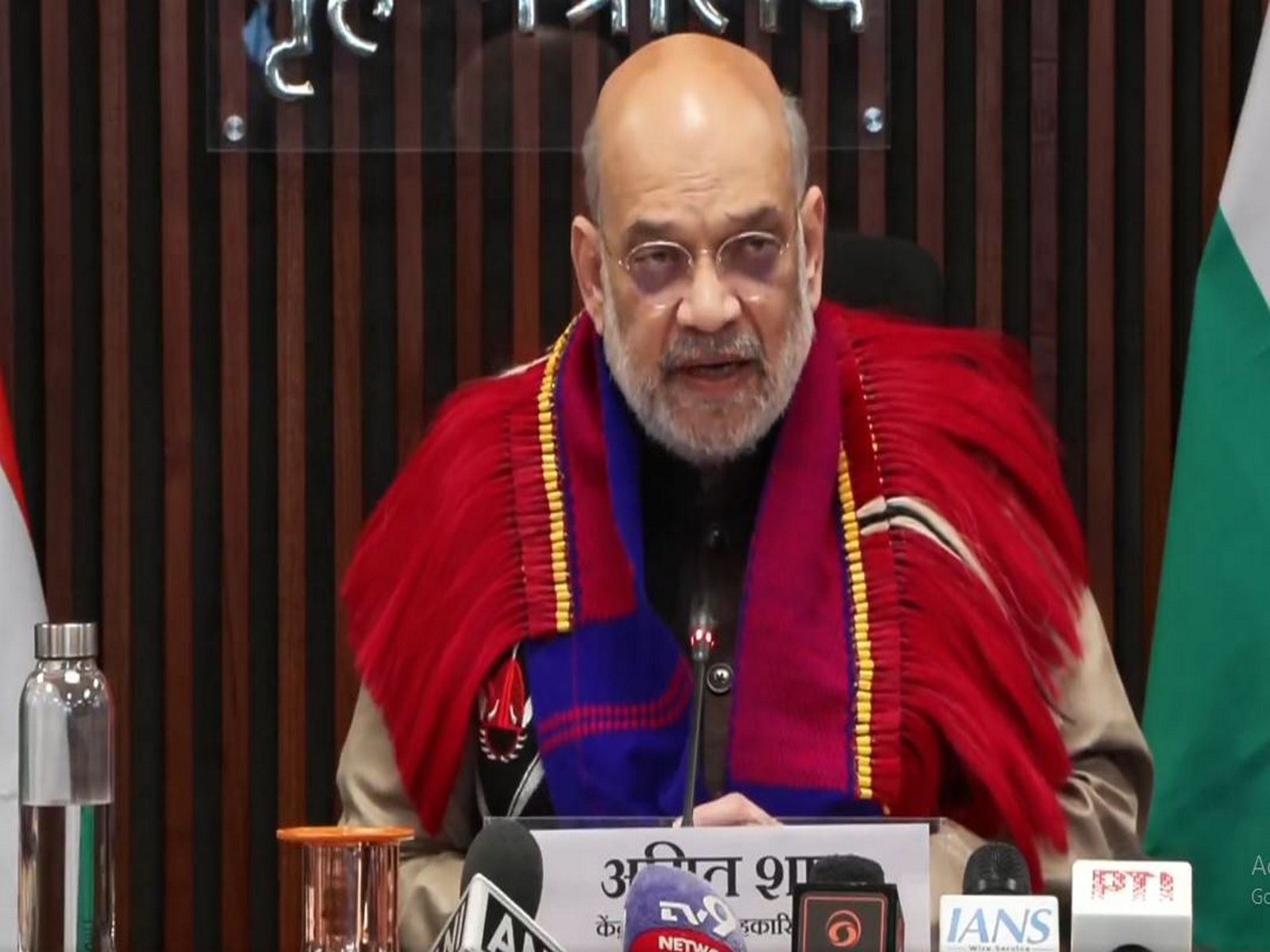
The Nagaland ENPO FNTA Accord Row has intensified after the Eastern Nagaland Peoples’ Organisation (ENPO) accused the Nagaland state government of backtracking on the long-discussed Frontier Nagaland Territory Authority (FNTA) agreement. The development has reignited political tensions in the state, particularly in the eastern districts where demands for greater autonomy have remained a long-standing issue. ENPO leaders have expressed concern over what they describe as delays and deviations from earlier assurances linked to the accord. The state government, meanwhile, is expected to respond through continued dialogue and clarification as the matter draws renewed attention from stakeholders and policymakers.
Assam Cabinet Expansion Confirmed for June 5
Tripura BJP Names New State President
ENPO Raises Concerns Over Accord Implementation
The ENPO has reiterated its position that the FNTA accord was a significant step toward addressing developmental and administrative aspirations in Eastern Nagaland. However, the organization now claims that the implementation process has not progressed as previously agreed.
The Nagaland ENPO FNTA Accord Row reflects growing dissatisfaction among ENPO representatives, who argue that commitments made during negotiations are not being fully honored. According to their statements, the perceived slowdown or reconsideration of provisions has created uncertainty among communities in the region.
ENPO leaders maintain that the FNTA framework was expected to bring enhanced governance structures, improved resource allocation, and greater administrative autonomy for eastern districts. Any deviation from these expectations, they argue, risks undermining trust between stakeholders.
State Government Faces Renewed Political Pressure
The Nagaland government is now facing renewed pressure to clarify its position on the FNTA accord and address the concerns raised by ENPO. Officials are expected to engage in discussions aimed at resolving misunderstandings and reaffirming commitments made during earlier negotiations.
The Nagaland ENPO FNTA Accord Row has added to ongoing political sensitivities surrounding regional autonomy and governance in Nagaland. The eastern districts, often referred to collectively in political discourse, have long sought stronger administrative recognition and development-focused governance arrangements.
Government representatives have previously emphasized that discussions related to the FNTA involve complex administrative, constitutional, and financial considerations. As a result, implementation timelines and structural details may require careful review before final execution.
Demand For Greater Autonomy In Eastern Nagaland
The core of the dispute remains centered on long-standing demands for greater autonomy and targeted development in Eastern Nagaland. ENPO represents several tribes and communities that have consistently sought a separate administrative arrangement to address perceived developmental imbalances.
The Nagaland ENPO FNTA Accord Row highlights these underlying concerns, as ENPO continues to push for institutional frameworks that ensure more direct governance and resource control for the region. Supporters of the demand argue that localized administration could improve service delivery and accelerate development outcomes.
At the same time, policymakers must balance these demands with constitutional frameworks and broader state governance structures. This balancing act has made negotiations complex and ongoing.
Dialogue Expected To Continue
Despite the current tensions, both sides are expected to continue engaging in dialogue to resolve differences and clarify the future of the FNTA accord. Dialogue has historically played a key role in addressing governance-related disputes in the region.
The Nagaland ENPO FNTA Accord Row may therefore enter a new phase of negotiations aimed at restoring trust and ensuring clarity on implementation mechanisms. Observers suggest that sustained communication will be essential to prevent further escalation and maintain stability.
Community leaders and civil society groups are also likely to play a role in facilitating understanding between the parties. Constructive engagement is seen as crucial for reaching a mutually acceptable solution.
Conclusion
The Nagaland ENPO FNTA Accord Row has brought renewed attention to the long-standing demand for greater administrative recognition in Eastern Nagaland, following ENPO’s allegations that the state government has backtracked on the Frontier Nagaland Territory Authority agreement. While tensions have increased, dialogue remains the primary pathway toward resolution. The outcome of ongoing discussions will be critical in shaping the future of governance, development, and political relations in the region.
FAQs
What is the Nagaland ENPO FNTA Accord Row?
It refers to the dispute between ENPO and the Nagaland government over the implementation of the Frontier Nagaland Territory Authority accord.
What does ENPO allege?
ENPO claims that the state government has not fully implemented or has delayed commitments under the FNTA agreement.
What is FNTA?
The Frontier Nagaland Territory Authority is a proposed governance framework aimed at improving administration and development in Eastern Nagaland.
Why is Eastern Nagaland important in this issue?
The region has long-standing demands for greater autonomy and focused development.
What is the government’s stance?
The government is expected to continue dialogue while citing administrative and constitutional considerations.
Can the issue be resolved soon?
Resolution depends on ongoing negotiations and mutual agreement between stakeholders.